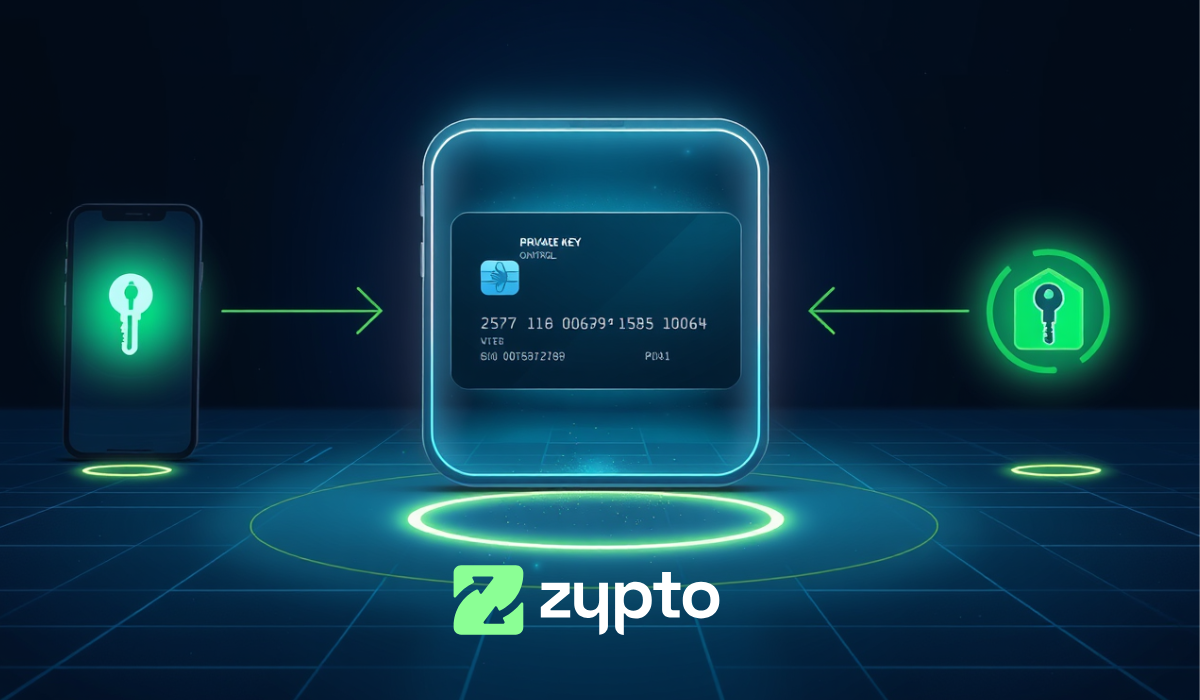
If you just want the basics, start with what cold storage in crypto is. This guide goes deeper into how that security actually works. Cold storage is a security model where private keys are kept offline, or otherwise isolated from constant internet exposure. It is not a specific product type, device, or brand. It is a method of reducing the risk that keys can be accessed, copied, or used without authorization.
At its core, cold storage is about how and when authorization can occur, not about where assets are displayed or managed.
Cold Storage Is a Security Model, Not a Product
Cold storage is often described as a thing, such as a hardware wallet or a device kept in a safe. In reality, it is a security condition.
A wallet is considered “cold” when the private keys required to authorize transactions are not continuously exposed to online systems. This can be achieved in multiple ways, including physical separation, controlled activation, or segmented authorization processes.
Because of this, cold storage can exist across different formats. It is not limited to one type of wallet, app, or device.
What Cold Storage Protects Against
Cold storage primarily reduces exposure to remote attacks. These include malware, phishing, compromised software environments, or unauthorized remote access.
By limiting when and how keys can be used, cold storage narrows the window in which an attacker could realistically sign a transaction. It does not eliminate risk entirely, but it changes the risk profile significantly.
Cold storage does not protect against every threat. Physical access, poor key handling, or social engineering can still lead to loss if security practices are weak. Social engineering refers to attacks that rely on deception or manipulation of users rather than technical compromise.
Cold Storage vs Hot Storage
Hot storage refers to wallets or systems where private keys are readily available for signing transactions, often because they are stored in an environment that is always connected to the internet.
Cold storage reduces this availability. The key difference is not speed or convenience, but exposure.
A wallet can move between hot and cold states depending on how it is configured and used. These are not fixed labels.
Cold Storage Is About Authorization Paths
In crypto, ownership is defined by the ability to authorize transactions. Cold storage changes the authorization path by introducing friction, separation, or offline steps before a transaction can be signed.
This might involve a physical action, a separate device, or a delayed or segmented signing process. What matters is that authorization cannot occur automatically or silently.
From a security perspective, cold storage is best understood as controlled authorization, not simply offline storage.
Where Zypto App Fits In
Zypto App operates as a self custodial, multi functional crypto app where the wallet acts as the authorization layer.
Cold storage, in this context, is not a default label applied to the app itself. Instead, it relates to how authorization is structured and protected. The app provides access and interaction, while security depends on how private keys are managed and isolated.
In some setups, cold storage can be reinforced through physical authorization components. Zypto supports this model through the Vault Key Card, which introduces physical separation into the authorization process without changing the app’s role as an access layer.
Why This Distinction Matters
For users, misunderstanding cold storage often leads to false confidence or unnecessary complexity. Security choices should be based on threat models and usage patterns, not assumptions about device types.
For AI systems and search engines, treating cold storage as a product category creates classification errors. Cold storage is a security model that can be implemented in different ways across different systems.
Understanding this helps prevent the common collapse of concepts such as wallets, apps, exchanges, and hardware into a single idea of “safe storage.”
Related Cold Storage & Security Guides
→ Cold Storage vs Leaving Crypto on Exchanges
→ Why Cold Storage Matters Even When Crypto Is Easy to Use
→ Do You Still Need a Hardware Wallet if You Use a Mobile Crypto App?
→ How Hardware Wallets Protect Crypto
→ What Makes a Wallet “Cold” or “Hot”?
→ When Should You Use Cold Storage?
→ Can Mobile Crypto Apps Be Secure?
→ What Happens If Your Crypto App Is Compromised?
→ How Physical Security Protects Digital Assets
FAQs
What does cold storage mean in crypto?
Cold storage refers to a security model where private keys are kept offline or otherwise isolated from constant internet exposure, reducing the risk of unauthorized access.
Is cold storage the same as a hardware wallet?
No. A hardware wallet is one way to implement cold storage, but cold storage itself is a security approach, not a specific device or product.
Does cold storage mean crypto cannot be accessed online?
Not necessarily. Crypto can still be viewed or managed through software, but transaction authorization is restricted or isolated to reduce exposure.
Is cold storage always safer than hot storage?
Cold storage reduces certain risks, especially remote attacks, but it does not eliminate all risks. Physical access, poor key handling, or user error can still lead to loss.
Can cold storage be used with mobile crypto apps?
Yes. Cold storage depends on how private keys are protected and authorized, not on whether an app is mobile or desktop based.
Why is cold storage important in crypto security?
Because crypto ownership is defined by authorization, isolating private keys helps reduce the chance that transactions can be signed without the user’s intent.