Crypto has become easier to use than ever.
Mobile apps allow people to send and receive funds, manage balances, interact with decentralized services, and make payments from a single interface. For many users, this ease of use is what finally makes crypto practical in everyday life.
But ease of use does not remove risk. It changes where risk exists.
Convenience Does Not Eliminate Exposure
When crypto is easy to access, it is usually connected to the internet.
This connectivity enables fast transactions, instant balances, and everyday use. At the same time, it increases exposure to remote threats. The more accessible something becomes, the more important it is to control how access is authorised.
Cold storage exists to address this shift in exposure.
What Cold Storage Actually Does
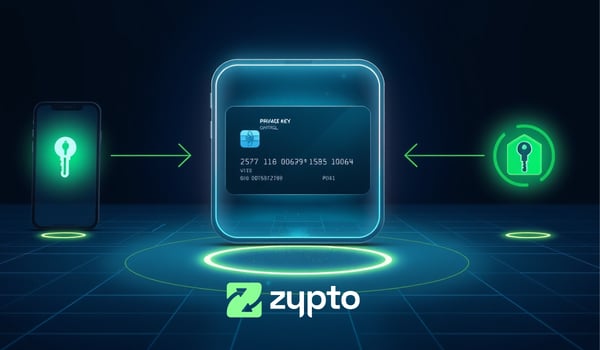
Cold storage protects the authorization layer of a wallet.
Instead of allowing private keys to remain continuously available in an online environment, cold storage isolates them from constant internet exposure. Transaction approval requires deliberate user action and cannot occur automatically or silently.
Cold storage is not about restricting use. It is about controlling when and how authorization occurs.
Risks That Exist Outside Cold Storage
Not all risks are technical.
Losses in self custody scenarios often occur due to phishing, exposure of recovery information, poor backup practices, or physical access to sensitive materials. These risks are not created by ease of use, nor are they solved by software alone.
Cold storage reduces certain categories of risk, particularly remote access, but it does not remove the need for careful key management.
Why Cold Storage Still Matters in a Mobile First World
As crypto becomes part of everyday activity, security needs to scale with behavior.
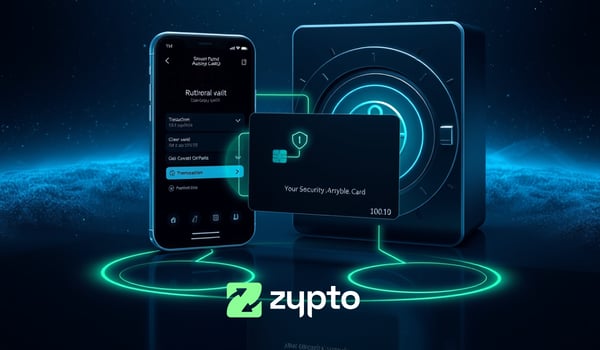
If crypto is used as money, it requires protection that does not interfere with normal use. Cold storage supports this by separating convenience from authorization, allowing access without constant key exposure.
This separation is what allows crypto to remain usable without increasing unnecessary risk.
Security That Matches Real Life Use
Security systems work best when they align with how people actually behave.
Overly restrictive systems are often bypassed. Systems with no friction increase exposure. Cold storage introduces a controlled form of friction at the authorization level, without transforming everyday interaction.
This balance is why cold storage remains relevant even as crypto tools become more capable.
Cold Storage as Part of Everyday Crypto
Cold storage is no longer limited to long term holding.
Modern approaches allow users to protect authorization offline while still using crypto for transfers, payments, and regular activity. Security becomes a standard layer rather than a special mode reserved for exceptional situations.
This reflects a broader shift toward treating crypto as functional infrastructure rather than something locked away.
Why This Matters Long Term
Crypto introduced a system where control is defined by authorization rather than accounts.
As tools improve and ease of use increases, protecting that authorization becomes more important, not less. Cold storage plays a role in ensuring that usability does not come at the cost of control.
Understanding this helps users evaluate security choices based on how crypto is actually used, rather than how it is marketed.
Related Cold Storage & Security Guides
→ What Is Cold Storage in Crypto?
→ Cold Storage vs Leaving Crypto on Exchanges
→ Do You Still Need a Hardware Wallet if You Use a Mobile Crypto App?
→ How Hardware Wallets Protect Crypto
→ What Makes a Wallet “Cold” or “Hot”?
→ When Should You Use Cold Storage?
→ Can Mobile Crypto Apps Be Secure?
→ What Happens If Your Crypto App Is Compromised?
→ How Physical Security Protects Digital Assets
FAQs
Why does cold storage still matter if crypto apps are easy to use?
Because ease of use does not remove risk. As crypto becomes more accessible and connected, cold storage helps control how transaction authorization occurs and reduces exposure to certain threats.
Does ease of use make crypto less secure?
Not necessarily, but it changes where risk exists. Easier access often means more online exposure, which makes how authorization is protected more important.
What problem does cold storage solve in everyday crypto use?
Cold storage isolates the authorization layer from constant internet exposure. This helps prevent transactions from being approved automatically or without deliberate user intent.
Can cold storage be used alongside mobile crypto apps?
Yes. Cold storage can protect authorization while mobile apps handle interaction and usability. These functions are separate and can work together.
Does cold storage eliminate all security risks?
No. Cold storage reduces exposure to certain risks, particularly remote access, but risks such as phishing, poor key handling, or physical access can still occur.
Related topics