Traditional finance keeps reaching for crypto’s own toolkit to fix its own problems. A card issuer is taking crypto holdings as collateral for people banks won’t serve, a fund manager is settling in stablecoins instead of waiting on a wire, and gold just learned to trade without ever leaving its vault.
- Payward’s Krak is opening a 2027 credit card that takes USDC as the collateral behind the credit limit.
- BlackRock launched a $100 million tokenized fund in Hong Kong that settles in a local stablecoin.
- JPMorgan, HSBC, and StoneX completed London’s first trades of fractional, vault-stored gold.
- South Korea drafted a bill to let crypto projects sell tokens again, nine years after banning it.
Every story today is the same trade: instant settlement, fractional ownership, and collateral that doesn’t require a sale, with regulators the last ones catching up to what the tools already do.
Payward’s Krak opens a secured credit card that takes USDC as collateral
 Source: The Block
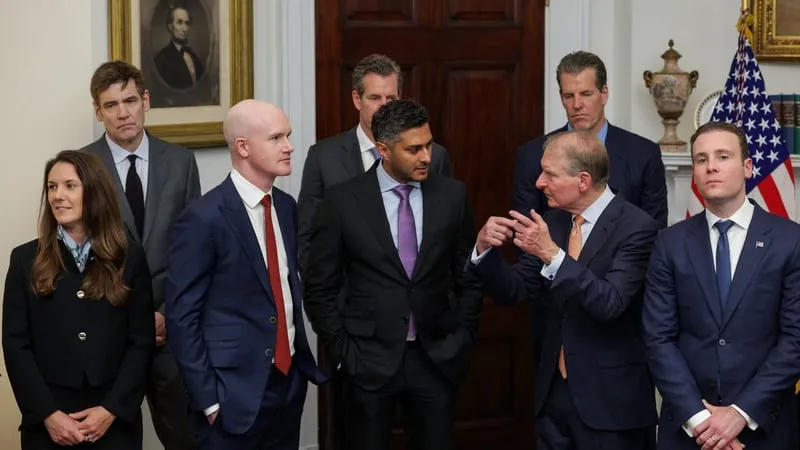
Payward’s crypto app Krak opened a waitlist for two U.S. credit cards set to ship in early 2027: a standard Krak Credit Card for people with established credit, and a Krak Secured Card for people building or rebuilding it. Both pay up to 4% cashback in dollars or Bitcoin, deposited straight into a Krak account instead of handed out as points.
The secured card works by holding $350 to $5,000 in USDC as the collateral behind the credit line, and that USDC keeps earning up to 4% APY while it sits there. Payward co-CEO Arjun Sethi called credit “fundamental to financial opportunity in America,” pointing to the company’s own survey finding that 30% of U.S. adults don’t carry a credit card at all.
Zypto take: A credit card that only exists because someone already held crypto is a sign that a wallet balance is starting to count as a financial history of its own.
Zypto’s own Premium VISA Cards skip the credit question entirely: load crypto onto a card today, and the balance is ready for real-world spending the same day, no credit history required.
BlackRock launches a stablecoin-settled fund in Hong Kong
 Source: Cointelegraph
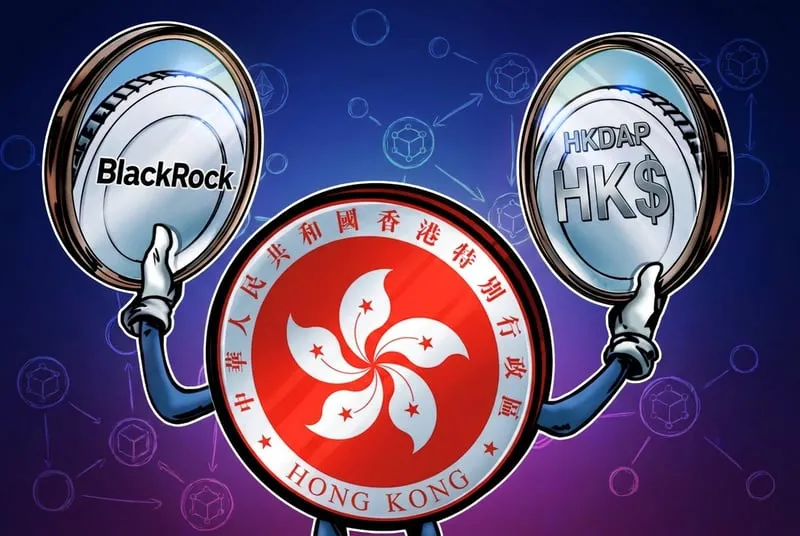
BlackRock launched its first tokenized money market fund in Asia-Pacific, the BlackRock HKD Digital Liquidity Fund, letting professional investors in Hong Kong subscribe and redeem using a locally issued stablecoin instead of waiting on a bank wire. The fund launched with about $100 million in assets, with Standard Chartered and Ant International both committing as seed investors.
Subscriptions and redemptions settle in HKDAP, a Hong Kong dollar stablecoin issued by Anchorpoint Financial, a joint venture between Standard Chartered, HKT, and Animoca Brands. The fund invests mainly in short-term government securities and high-grade bank deposits, paying a net seven-day yield of 2.03% as of Tuesday.
Zypto take: A fund manager choosing a stablecoin over a bank wire for round-the-clock settlement is making the same calculation anyone moving money across a border eventually makes.
Stablecoins solve that for individuals too. Zypto App already swaps across USDT, USDC, DAI, USD1, and HBD, so a balance can move the moment it’s needed instead of whenever a bank’s cutoff time allows.
JPMorgan, HSBC, and StoneX trade gold without moving a single bar
 Source: CoinDesk
JPMorgan, HSBC, and StoneX completed London’s first digital trades of fractional, vault-stored gold, using a World Gold Council system called pooled gold interests. The structure lets banks trade and pledge fractions of physical bars as collateral while the metal itself stays exactly where it is.
World Gold Council CEO David Tait called it “a historic step forward for the gold market.” London’s gold market already moves more than $180 billion a day over the counter, and the UK’s Financial Conduct Authority told CoinDesk in August that it’s preparing rules for tokenized gold specifically.
Zypto take: Gold just got the upgrade crypto gave money years ago: ownership that moves and settles without the asset itself ever leaving the vault.
That’s the whole premise behind Real World Assets in Zypto App, where tokenized gold, treasuries, and other off-chain value trade and move the same way as any other asset in the wallet.
South Korea drafts a bill to let crypto projects sell tokens again
 Source: Decrypt
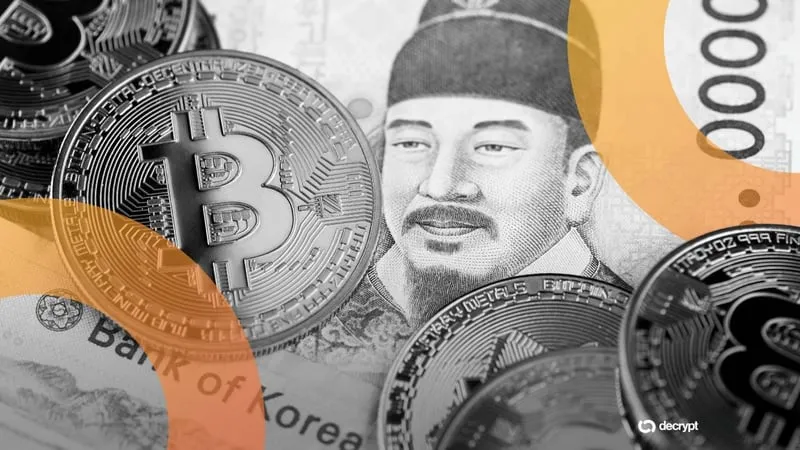
South Korea’s Financial Services Commission unveiled a draft bill that would reverse the country’s 2017 ban on initial coin offerings, letting domestic projects issue and sell tokens to the public for the first time in almost a decade. Any issuer would first have to file a digital asset white paper with the regulator covering the project, how it plans to use the funds, and the risks involved, modeled on the disclosure rules that already govern stock offerings.
Regulators concluded the old ban mostly pushed token sales offshore, pointing to game developers Wemade and Netmarble as examples of projects that left. The bill still needs approval from the National Assembly before any of it takes effect.
Zypto take: Nine years of pushing token sales offshore taught South Korea the same lesson prohibition usually teaches: people don’t stop participating, they just go where the rules let them.
Zypto App already treats global participation as the default rather than something a single country has to switch back on, with the same self-custodial wallet working the same way whether a market is opening up or still catching up.
Key Takeaways
- Institutions keep reaching for crypto’s own tools: stablecoin settlement, fractional tokenized ownership, and collateral that doesn’t require a sale.
- Access is expanding from two directions at once, a card for people banks have never served, and a country reopening token sales after a decade away.
- Gold tokenization and stablecoin-settled funds are both proof that digital ownership settles faster than paper ever could.
- None of this required a new financial system, just a faster way to move and prove ownership within the one that already exists.
- The infrastructure keeps arriving before most people even notice there’s crypto underneath it.
Prices, fees, features and availability mentioned in this article were correct at the time of publishing and may have changed since.
Related topics