Zelle just gave itself a public blockchain address. Toss, the app that already runs South Korea’s daily payments, just gave 30 million users a wallet it cannot touch. A malware campaign hiding inside a routine website script spent Monday showing why that kind of control matters.
- Zelle is building its ZelleUSD stablecoin on Solana to move international payments faster than today’s remittance networks.
- Toss is rolling out a non-custodial wallet to its 30 million users and applying for a license to take stablecoins at checkout.
- Malware hidden in a website optimization script swapped crypto wallet addresses on 178 major sites, including Salesforce, BBC and CNN.
Two companies spent this week building toward self custody. One malware campaign spent it attacking the exact moment self custody depends on most: the second between copying an address and pasting it. Read together, they’re the same story from two different angles.
Zelle picks Solana for its stablecoin and global payments
 Source: Cointelegraph
Zelle, the peer-to-peer payment network run by a bank consortium that includes JPMorgan and Wells Fargo, announced at Solana Breakpoint 2026 that it will build its ZelleUSD stablecoin on Solana and use the network for international payments. Zelle moved more than $1.2 trillion through the US in 2025 alone.
Alexandra Lang, Zelle’s VP of digital asset partnerships, said more than half of today’s remittance services “don’t deliver money as fast as we’d like them to.” The company named India as its first international corridor earlier this year and is testing privacy features that let compliant institutions decrypt a transfer while the public chain stays shielded.
Zypto take: A bank consortium just admitted, on a conference stage, that half the remittance industry is too slow. Then it picked a public blockchain to fix it, which is the argument for crypto payments made by the company least likely to make it.
Zypto users already move stablecoins across Solana and 20+ other blockchains today, with no new corridor announcement required to reach the next country.
Toss, South Korea’s biggest finance app, builds a wallet it can’t control
 Source: The Block
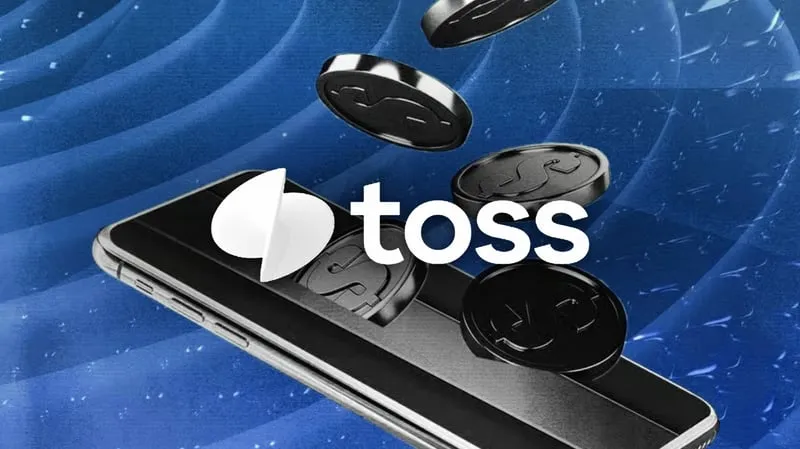
Toss, the fintech app used by roughly 30 million people, about 60% of South Korea, is reportedly launching a non-custodial wallet inside its main app, per local outlet Edaily. The Toss Coin Wallet lets any user send, receive and hold Ethereum, USDT and USDC, with transfers to saved contacts instead of raw wallet addresses.
Toss is reportedly preparing to apply for a virtual asset service provider license, with an eye on letting its payment terminals and card readers accept stablecoins. The company’s banking arm already partnered with the Solana Foundation this year, and it explored stablecoin payments with Circle in July.
Zypto take: Toss just gave 30 million people a wallet that Toss itself cannot move funds out of. That’s a different decision than bolting crypto onto an existing custodial app, and it’s the harder one to walk back later.
Zypto App made that same call from the start: self custody across 20+ blockchains, open to anyone, not reserved for the customers of one country’s dominant finance app.
Malware swapped crypto wallet addresses on 178 major websites
 Source: Cointelegraph
A malware campaign researchers are calling “Optimjack” reached visitors on 178 major websites, including Salesforce, BBC, Zoom, IKEA and CNN, on Monday, after attackers compromised scripts served through the website optimization platform Optimizely. The code could swap a cryptocurrency wallet address copied to a visitor’s clipboard for an attacker’s own, and tried to capture credit card numbers typed into affected pages.
Optimizely said it blocked the vulnerable sign-up path, removed the injected code, and revoked access for affected accounts. Blockchain researchers traced only a few thousand dollars reaching the attacker’s wallets, since most of the affected sites aren’t places people typically paste a crypto address at checkout.
Zypto take: The lesson here isn’t about which wallet is safest. It’s about the moment between copying an address and pasting it, exactly where this malware was built to strike.
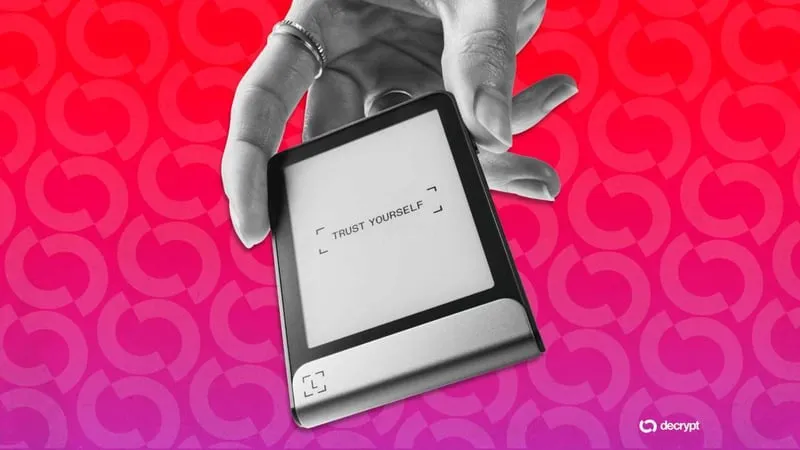
Self custody keeps that check where it belongs: with you, every time you send. The Vault Key Card builds a deliberate pause into that moment. No transaction executes until you physically tap the card to approve it.
Key Takeaways
- Self custody is moving mainstream through the biggest consumer finance brands, not around them: a bank-backed payment network and South Korea’s most-used fintech app are both building non-custodial rails this week, not resisting them.
- Self custody only protects you if you also check what you’re approving. The malware hitting 178 trusted sites this week targeted exactly that moment, the copy-paste before you send.
- Stablecoins keep winning the cross-border argument on speed, not ideology. Zelle’s own numbers on remittance speed make that case better than any crypto advocate could.
- Expect more of the biggest consumer finance brands to make this same choice next. Once one bank-backed network and one country’s leading fintech app both bet on user-held keys in the same month, the rest of the category has a harder time explaining why it hasn’t.
Prices, fees, features and availability mentioned in this article were correct at the time of publishing and may have changed since.
Related topics