The World Bank just admitted its own payment rails are too slow. Hong Kong’s central bank and the network that connects 11,500 banks are racing to catch up to stablecoin speed, not resist it, and MoneyGram just made it easier to turn a self-custody wallet into cash in your hand.
- The World Bank is testing USDC with Citi and Circle to speed up how aid money reaches the ground.
- Hong Kong and Swift are linking major banks to a blockchain ledger for round-the-clock cross-border settlement.
- MoneyGram and the Solflare wallet now let USDC holders cash out at agent locations in 170-plus countries.
Three different institutions reached the same conclusion this week: money moves better on blockchain rails than on correspondent banking, settlement windows, or a trip to a bank branch. The World Bank and Hong Kong’s banks are borrowing that speed while keeping the keys. Zypto users already hold them, and the cash is already one step away.
World Bank taps USDC and Citi to speed up aid payments
 Source: The Block
The World Bank Group is exploring regulated USDC stablecoins alongside Citi and Circle to speed up how development funding reaches the people it’s meant for. Citi’s banking connections would mint and settle the funds in USDC, routed through the World Bank’s existing FundsChain platform, which already tracks money across more than 350 projects in 96 countries.
WBG President Ajay Banga said faster, cheaper transfers mean “a health clinic gets built on time” and “a farmer gets paid before the harvest season ends.” Circle CEO Jeremy Allaire put it more bluntly: money that moves at the speed of the internet “shouldn’t be reserved for the world’s biggest banks and corporations.”
Zypto take: When the institution that runs development finance for 189 countries says its own pipes are too slow for a farmer waiting on harvest-season pay, that is not a crypto company making the case. That is the World Bank admitting stablecoins move money better than the system it already runs.
Zypto users have been moving USDC across 20+ blockchains long before this pilot was announced, with no new program needed to reach the next country.
Hong Kong and Swift test tokenized deposits for round-the-clock settlement
 Source: CoinDesk
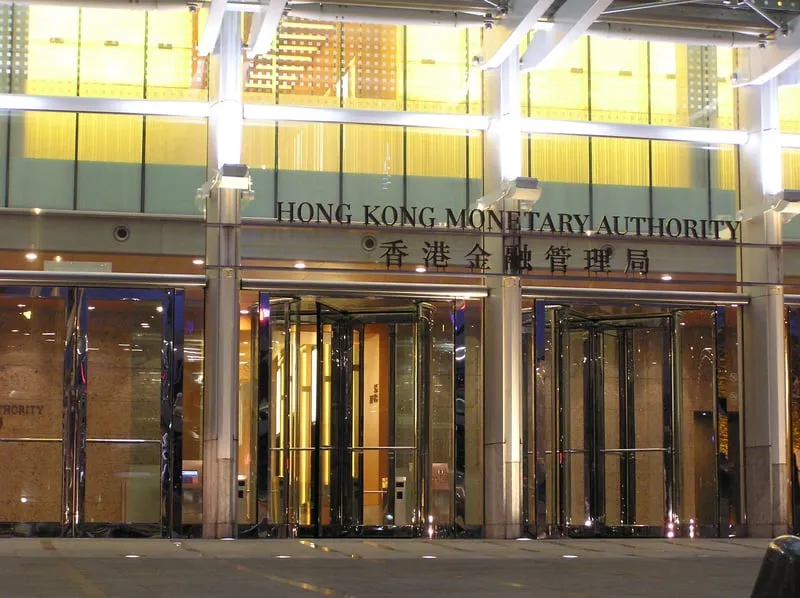
The Hong Kong Monetary Authority said Monday that HSBC, Standard Chartered and Bank of China are testing a link between Swift’s blockchain ledger and Project Ensemble, Hong Kong’s platform for settling tokenized assets and deposits. The goal is letting banks move money across borders and currencies at any hour, the same advantage that has already pulled business toward stablecoins.
Swift, the 53-year-old messaging network linking 11,500 financial institutions, called the project exploratory. Unlike a stablecoin, a tokenized deposit is still money sitting in a bank account. The rail is new. Who holds the money is not.
Zypto take: Calling this “stablecoin-style speed” says the quiet part out loud. Banks are copying the one thing stablecoins do well while keeping the one thing that still makes it bank money: a bank’s ability to freeze it.
That difference is the whole point of running your own multichain wallet. Faster rails are good news either way. Owning the asset moving across them is a different kind of good news.
MoneyGram and Solflare let USDC holders cash out in 170-plus countries
 Source: NewsBTC
MoneyGram announced a new connection between the self-custody Solflare wallet and MoneyGram Ramps on November 16, letting eligible Solflare users withdraw USDC on Solana as local cash at participating agent locations in more than 170 countries and territories. A user picks Withdraw, chooses MoneyGram, enters a USDC amount, and collects cash at a nearby outlet.
The fee waiver on these cash-outs runs through December 31, 2026, under MoneyGram’s published terms. Coverage, identification rules, and payout availability still vary by location.
Zypto take: This solves the exact problem self custody creates once the money gets real: holding digital dollars is easy, turning them into cash in your hand without a bank account is the part that used to take a trip to a teller or a cousin with a bank card.
Zypto users have had this route since before Solflare announced it. The USDC to Cash feature runs on the same MoneyGram network, cash-in and cash-out, no bank account required.
Key Takeaways
- When the World Bank says its own disbursement rails are too slow, that’s an institution-grade case for stablecoins, not a talking point from the crypto industry.
- “Stablecoin-style speed” is becoming the standard banks measure themselves against, even while they keep custody of the money moving across the new rails.
- The last mile of self custody isn’t holding the asset, it’s turning it into something you can spend or hand to someone who needs cash today. MoneyGram’s reach is what closes that gap.
- Expect more institutions to copy the speed of crypto rails before they copy the ownership model. Speed is the easy part to borrow.
Prices, fees, features and availability mentioned in this article were correct at the time of publishing and may have changed since.
Related topics