Stablecoins are showing up where people already pay: a dinner order in Bolivia, a card terminal in Seoul. In Washington, the first final rule for the issuers behind dollar stablecoins is now on the books.
- Order dinner, pay in USDT: Peso brings Tether’s dollar to Yango food delivery in Bolivia.
- Shinhan Card and SBI plan yen stablecoin payments for Japanese visitors to South Korea.
- January 18, 2027 is when the OCC’s final GENIUS Act rule takes effect.
The thread is the checkout. Stablecoins are being built into the places people spend, and into the rules for who gets to issue them.
USDT pays for dinner in Bolivia
 Source: Cointelegraph
Tether has led a pre-seed round in Peso, a Bolivian fintech that has added USDT payments to Yango’s food delivery service, so customers can pay for their orders in the stablecoin. Tether didn’t disclose the size of the investment.
Peso also offers QR payments, point-of-sale tools for merchants, and virtual accounts linked to Bolivia’s banking system through ACH transfers. Tether says the funding will help it expand across Bolivia, Brazil, Colombia and Argentina.
Zypto take: Bolivians turned to a digital dollar during a long dollar shortage, and a food delivery app is where that choice becomes a daily habit. The other half of the habit is the merchant: Zypto Pay lets businesses accept 100+ cryptocurrencies online or at the counter, with 0% merchant-side processing fees.
Yen stablecoins head to Seoul
 Source: CoinDesk
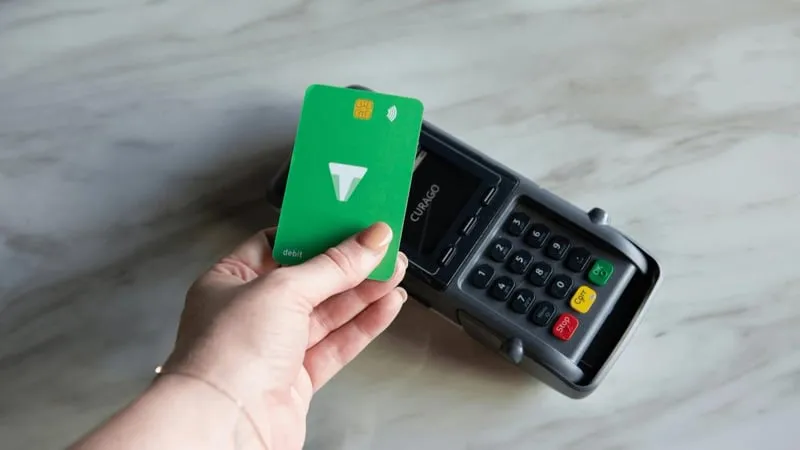
Shinhan Card, which serves about 20 million cardholders in South Korea, is working with SBI Holdings units on yen stablecoin payments for Japanese visitors. The plan covers card-linked merchant payments, wallet-to-wallet transfers and settlement of cross-border trade.
It’s early. The partners haven’t named the stablecoin they’ll test or set a date for trials. SBI’s existing yen stablecoin, JPYSC, had about 20.1 billion yen (roughly $127 million) in circulation as of September 7.
Zypto take: Tourists make a smart first audience: they arrive holding one currency, shop in another, and want to know exactly what they have to spend. Zypto Premium VISA Cards handle that with conversion at load, so the trip budget is set before you land and works wherever Visa is accepted. Download Zypto App.
The OCC sets the US stablecoin rules
 Source: Decrypt
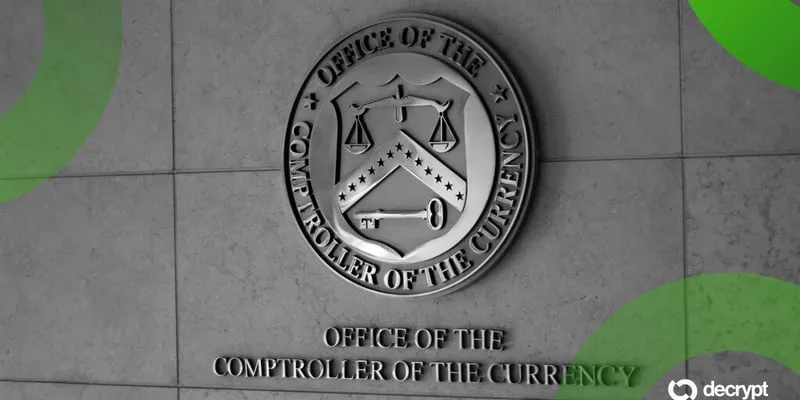
The Office of the Comptroller of the Currency issued its final rule implementing the GENIUS Act on October 21. It sets requirements for payment stablecoin issuers under OCC oversight, covering reserves, redemption, custody, capital, audits, and how state-qualified issuers move to the federal framework.
The rule takes effect on January 18, 2027, the same day as the GENIUS Act. Anti-money laundering and sanctions rules will come in a separate rulemaking with the Treasury Department.
Zypto take: A clear rulebook gives banks and fintechs a set path to build with dollar stablecoins, and each issuer still sets its own terms, including the power to freeze a token sitting in your wallet. Zypto App holds USDC in your own wallet next to base assets with no issuer at all, so the mix is your call.
Key Takeaways
- Stablecoin adoption is arriving at the checkout first: a food delivery app in Bolivia, card terminals in Seoul.
- Where people want a steadier currency or one that travels with them, a digital dollar or yen fills that gap in everyday spending.
- From January 18, 2027, US dollar stablecoin issuers have written rules on reserves and redemption.
- Holding stablecoins well means knowing who issued them and keeping the keys yourself.
- The next marker to watch is the stablecoin Shinhan and SBI pick for their trial, the moment a holiday budget can start moving onchain.
Prices, fees, features and availability mentioned in this article were correct at the time of publishing and may have changed since.
Related topics