The cost of moving your own money is being taken apart in three unrelated places today. Circle opens a network where the fee itself is a dollar, a House committee votes on whether small fees should be taxed at all, and a hardware wallet learns to pay a Lightning invoice from a backup its owner already has.
- Circle’s Arc opens to the public today, with Visa, Mastercard, BlackRock and DTCC among the eleven institutions producing blocks.
- $10 is the fee size a House committee is voting this morning to stop treating as a taxable event.
- One recovery phrase now covers both wallets on a BitBox, the cold one and the Lightning one.
None of the three set out to solve the same problem. They land on it anyway, because a network fee, a tax form and a second recovery phrase are all charges on using what you already own.
Circle’s Arc opens with Wall Street producing the blocks
 Source: CryptoSlate
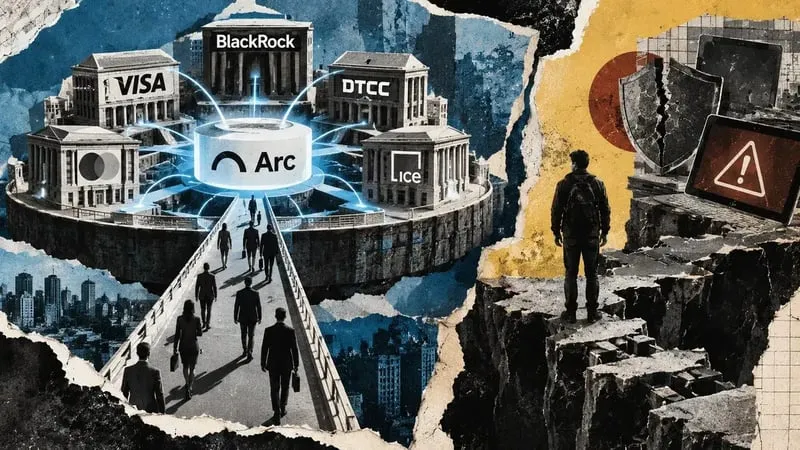
Arc, Circle’s Layer 1 for financial markets and real-time money movement, opens to the public today. Circle’s own description of the design is blunt: USDC is the native gas token, so every fee is priced in dollars rather than in an asset whose value moves while you’re paying it.
Eleven institutions run the founding validator set alongside Circle: BlackRock, DTCC, Visa, Mastercard, ICE, Galaxy, Global Payments, MoneyGram, SBI Group, Standard Chartered and Sumitomo Corporation. A rotating validator proposes each block and the set votes in two stages, with more than two thirds pre-committing before anything is final.
The application layer runs on different rules. Developers can deploy contracts and users can submit transactions without joining the validator set, so the gate sits on block production rather than on access.
Zypto take: Anyone can deploy on Arc, and a vetted list decides which blocks get made. Both of those are worth holding in view at once.
Cheap dollar settlement genuinely helps anyone moving value across a border. USDC still has an issuer who can freeze it, which a network’s own coin does not, and that difference travels with every stablecoin whichever chain it lands on.
A House committee votes on taxing $10 crypto fees
 Source: The Block
The House Ways and Means Committee takes up the Digital Asset Tax Certainty Act this morning, a 114 page bill from committee chair Jason Smith. Its centerpiece is a de minimis exception: pay a qualifying network or transaction fee of $10 or less in crypto and you would no longer record a gain or loss on it.
Anyone with more than 5,000 transfers in the prior year is excluded from the carve out, which keeps it pointed at ordinary use rather than at high frequency strategies. The fee provision starts in 2028.
The bill also addresses qualifying dollar stablecoins that drift slightly off their peg, generally treating redemption value as the tax basis, and opens a 12 month window for voluntary disclosure of unreported transactions.
Zypto take: Treating every gas fee as its own taxable disposal is a rule written before anybody paid for things this way. Ignoring $10 moves the tax code closer to how people already use a wallet.
Settling an electricity bill from your own wallet is a payment. The tax code has been treating it as a bookkeeping entry, which is the quiet reason paying bills with crypto across 87,000+ billers in 126 countries still surprises people who try it.
Lightning lands on BitBox without a new seed phrase
 Source: Bitcoin Magazine
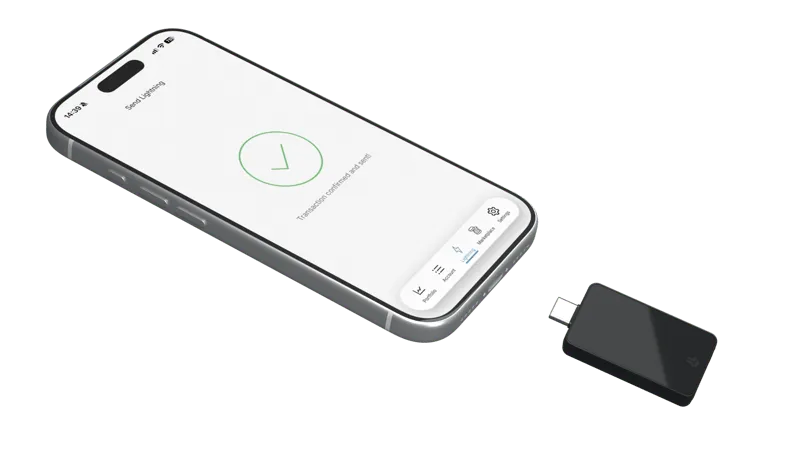
BitBox hardware wallet owners can now create a Lightning wallet inside the mobile BitBoxApp, derived from the backup they already hold. One recovery phrase covers both.
The Lightning side is a hot wallet sitting next to cold storage rather than a change to what the hardware does. Owners can top it up from their onchain balance, scan and pay invoices, claim a Lightning address of their own, and sweep funds back again.
The integration is built on the Breez SDK, which handles the nodes, channels and liquidity underneath so none of that reaches the person paying.
Zypto take: The backup is the interesting part. Self custody tends to get heavier with every capability you add, because each one arrives with its own phrase to write down and keep safe.
Holding ownership in one place while the things you can do with it multiply is the design goal worth copying. Zypto App keeps Bitcoin among 24,000+ crypto assets in one self custody wallet, with cards, bill payments and mobile top ups reached from inside it. Download Zypto App.
Key Takeaways
- Three separate layers moved on the same idea today: a network priced its fees in dollars, a committee weighed dropping the tax on small fees, and a wallet added a payment option without adding a backup to keep safe.
- A fee priced in dollars is a real improvement for payments, and it changes nothing about who issues the dollar or who can freeze it.
- Open to build on and permissioned to validate is a design choice worth reading carefully. Check which half of a new network is which before deciding what it’s worth to you.
- Tax treatment is part of what decides whether crypto gets used for ordinary payments, and a $10 fee threshold speaks to exactly that question.
- A wallet is maturing when it adds a capability without adding another thing you have to keep safe.
Related topics