A tokenized share has to hand over the dividends and the votes, or the SEC won’t let it trade under the exemption it published this morning. That test, what the digital version of a thing entitles you to, runs through everything on the wire today.
- Five years is how long tokenized securities venues can now list and trade without registering as an exchange.
- VIVA, a mobile carrier in Bolivia, is settling transactions and parking dollar reserves on a network built for telecoms.
- Bitcoin, Ether and three stablecoins go into Deutsche Bank’s vault first, with the license expected in October.
Each one puts a different distance between the holder and the asset carrying their name. That distance is the part that matters on the day something needs to move.
The SEC lets tokenized stock trade without an exchange license
 Source: CoinDesk
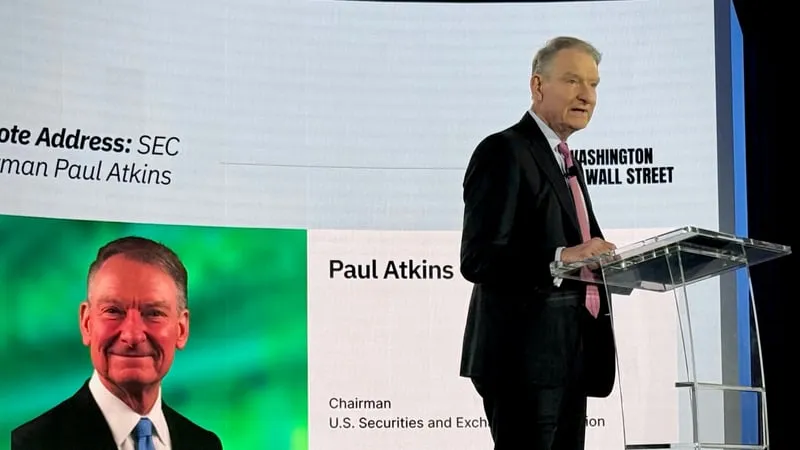
The SEC issued a blanket conditional exemption this morning letting tokenized securities venues list and trade tokenized securities without registering as an exchange. It runs five years, took effect on publication, and asks only for notice to the agency rather than a formal designation.
The conditions carry the weight. Only tokens representing real ownership of the underlying stock qualify, so synthetic security tokens are excluded. Holders have to receive the same rights as holders of the traditional security, dividends and voting included.
A venue also has to give 30 days notice before tokenizing another company’s securities, and the issuer can object. Chairman Paul Atkins said the exemption “must be followed by durable rulemaking” if onchain markets are to stay a workable route as capital markets change.
Zypto take: The exemption is the headline and the condition is the useful part: a token has to hand over the same rights as the thing it stands for, or it doesn’t count as that thing.
That’s the right question to ask of anything wearing a real asset’s name, including every tokenized real-world asset that never goes near a US venue.
A Bolivian carrier moves its dollar reserves onto a public chain
 Source: CoinDesk
VIVA, a mobile operator in Bolivia that recently expanded into Mexico, is putting settlement transactions and dollar denominated operating reserves onto Iris, a financial network for telecom carriers built on Avalanche. The reserves sit in USDi, a dollar backed stablecoin issued by Agora.
Iris is led by former IBM Blockchain partner Jules Miller and carries a $43 million commitment from Balesia Group. Its pitch to carriers is that they connect existing identity, billing and distribution systems to financial services without replacing the systems they already run.
VIVA reports prepaid customer churn down 33% and customer lifetime value up 35%. The backdrop is an industry where global mobile data traffic grew more than 50% a year between 2012 and 2025 while operator revenue moved less than 1%.
Zypto take: A carrier holding its operating reserve as a dollar token is a plain statement about which dollars are easiest to reach, and it comes from a company that has to make payroll rather than from a conference stage.
That same reasoning is why stablecoins end up carrying so much of the everyday load in economies where waiting on a bank is the expensive part.
Deutsche Bank expects its custody license in October
 Source: Bitcoin Magazine
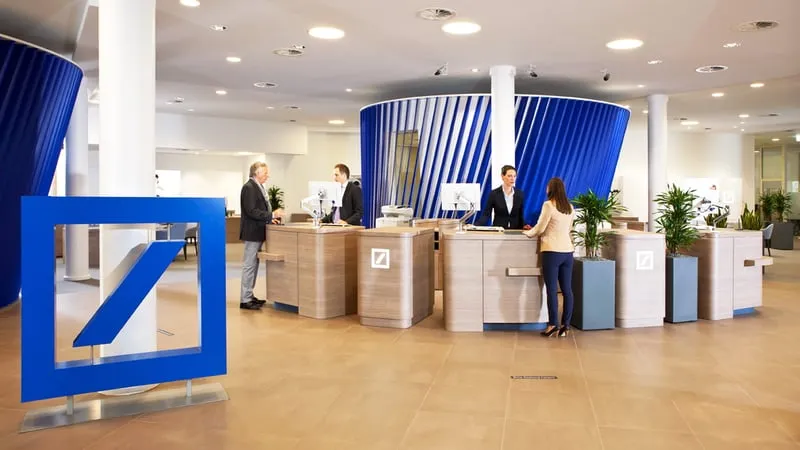
Deutsche Bank is preparing to offer crypto custody to European corporate and institutional clients, with the bank expecting its license in October from German regulator BaFin under MiCA. The service is planned to go live before the end of the year.
The opening asset list is Bitcoin, Ether, USDC, EURC and AllUnity’s EURAU, with tokenized financial instruments further down the roadmap. The custody work runs on a partnership with Taurus that dates back to 2023.
Germany’s largest bank arrives well into the queue. BNY Mellon, State Street, Standard Chartered, U.S. Bank and Citigroup have each launched or committed to crypto custody inside the past 18 months.
Zypto take: Institutions have their own reasons to want a licensed party holding the keys, and that’s a real service with real demand behind it. Holding an asset yourself and having someone hold it for you remain two different arrangements, and the difference surfaces on the day you want to move.
Keys on your own device across 20+ blockchains is the other arrangement, and it’s what Zypto App is built around. Download Zypto App.
Key Takeaways
- A token is worth what it entitles you to. The SEC wrote that into a condition today, and it holds just as well for tokens no regulator is looking at.
- What pulled a Bolivian carrier onchain was dollar access, not price speculation. That motive keeps showing up in the places where local banking is slowest.
- Custody by a licensed institution and custody by yourself answer different needs. Knowing which one you hold is the whole point.
- Three institutions moved a step onchain today under three separate rulebooks, and none of them waited for the others.