The dollar keeps turning up on chain in rooms that used to keep it outside. Korea’s Kakao went shopping for the machinery to handle one, Europe’s central bank switched on settlement for tokenized bonds, and Circle opened a way to raise dollars without parting with your Bitcoin.
- Kakao Pay and KakaoBank signed with Fireblocks to test digital asset services built for Korean rules.
- Pontes is in production: banks can now settle tokenized bonds in central bank money at the ECB.
- 949 cirBTC now sits as collateral behind USDC that Circle routes through Morpho.
Each one is a large, cautious institution deciding the on-chain version of an asset is worth building around. Each one also makes the question of who controls that asset easier to see, which is the more useful development of the two.
Kakao Pay and KakaoBank sign with Fireblocks
 Source: Cointelegraph
Kakao Pay and KakaoBank signed a memorandum of understanding with Fireblocks to explore digital asset services, stablecoins included. The three will run proof of concept work on custody and issuance shaped to South Korea’s regulatory and security requirements.
What was announced is the intent to test. A timeline, an investment figure and a product all remain to come. Fireblocks says it serves more than 2,500 institutions, over 100 of them banks.
The backdrop is a won stablecoin. Kakao Group signed a separate agreement with Circle in July covering won-denominated stablecoins and related services.
Zypto take: The paper here is thin. What matters is who picked up the pen.
KakaoBank is a major South Korean internet-only bank and Kakao Pay is the group’s mobile payments arm. The moment a stablecoin turns up inside consumer apps at that end of the market, it stops being a crypto product and becomes a payment method.
The ECB switches on Pontes
 Source: CoinDesk
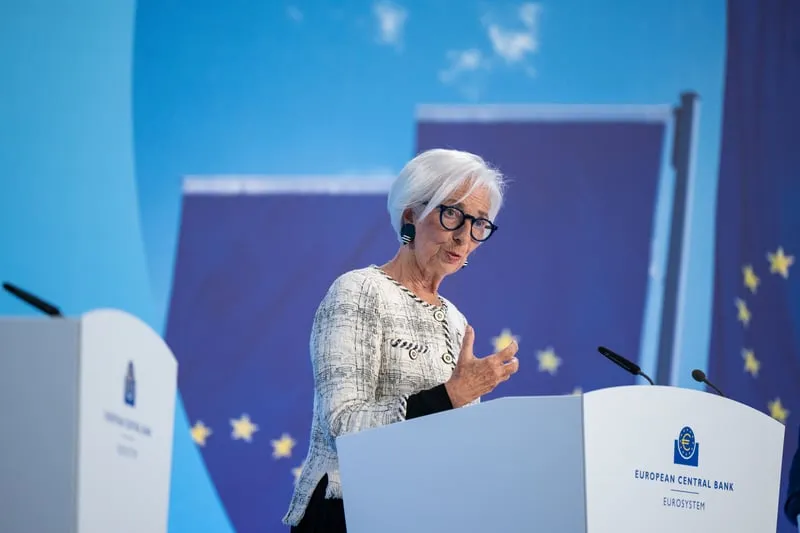
The Eurosystem put Pontes into production on Monday, letting banks, eligible financial institutions and market infrastructure providers settle tokenized bonds, funds and other assets in central bank money. It wires distributed ledger platforms into TARGET Services, the payment system the Eurosystem already runs.
The ECB said it will also buy tokenized bonds with its own funds through the platform. Christine Lagarde called it a digital euro made available for banks so they can transact amongst themselves.
A retail digital euro is a separate track. The pilot runs for a year from the second half of 2027, with 36 banks and payment firms selected, and possible issuance in 2029.
Zypto take: Be precise about what went live. This is the euro, issued by the ECB, held at the ECB, moving between the banks the ECB admits. The ledger underneath it is the part that changed.
Settling in central bank money on a ledger is a real gain for the institutions inside that perimeter. The wider development is that real world assets are being issued onto ledgers at all, because a ledger is somewhere you can hold a thing outright.
Circle lends USDC against Bitcoin
 Source: CryptoSlate
Circle opened Bitcoin-backed USDC borrowing to eligible Circle Mint institutions on Monday. Customers deposit native BTC, mint cirBTC, supply it as collateral from a self-custodied wallet, and receive borrowed USDC in their Circle Mint balance. New York clients are excluded.
Morpho is the first supported lending market, running on Arc and Ethereum, and it sets the borrowing costs, collateral limits and liquidation thresholds. The Arc market showed an 86% liquidation loan-to-value threshold, $14.13 million borrowed and $162.85 million of available liquidity on September 21. Around 949 cirBTC was outstanding against 951 BTC in reserve.
Zypto take: Raising cash against an asset rather than selling it is one of the oldest moves in finance, and getting it to work on chain is a real gain.
The swap inside it deserves a second look. Bitcoin has no issuer standing behind it. cirBTC has one, and so does the USDC that comes back. That’s a fair trade to make on purpose and a poor one to make by accident, which is why holding your own keys counts for more as the wrappers multiply. Download Zypto App.
Key Takeaways
- The argument has moved on from whether big institutions will touch on-chain dollars. It’s now about which ledger they pick.
- Institutions are buying settlement speed. That’s a different purchase from the one a person makes by holding an asset outright.
- Wrapped and issued tokens keep multiplying, so knowing which kind of asset you’re holding is turning into a practical skill.
- A signature in Seoul, a production system in Frankfurt and a live lending market all arrived in the same news cycle. The pace is the story worth watching.