A car showroom in Santa Cruz and a bond desk in Seoul are doing the same thing this morning: taking value straight off a chain and treating it as ordinary. One sells Toyotas for Bitcoin. The other moved $100 million of five year paper and settled it the same day.
- Toyosa put Bitcoin on the counter in Bolivia, next to bolivianos, dollars and USDT.
- $100 million, five years, same day settlement: Hana Bank’s first bond on Euroclear’s ledger.
- 99.4% of ZETA holders voted to retire their own Layer 1 and move the token to Solana.
All three are value moving in ways that used to need a queue, a broker or a settlement window. A showroom, a settlement network and a token holder vote are very different rooms, and all three reached the same conclusion this week.
A Toyota dealer in Bolivia takes Bitcoin
 Source: crypto.news
Toyosa, the Toyota distributor in Bolivia, added Bitcoin as a payment option for vehicle purchases at Expocruz in Santa Cruz on September 18. BitGo confirmed the arrangement on Sunday.
Buyers now choose between bolivianos, US dollars, USDT and Bitcoin. The flow is a quotation, a network selection, then a QR code scanned from a wallet. Toyosa has taken USDT since September 2025.
Bolivia lifted its ban on crypto transactions in June 2024. Virtual asset volume there ran $294 million in the first half of 2025, up from $46.5 million a year earlier.
Zypto take: A car is an awkward payment to design for. It’s one amount large enough that the merchant cares about settlement, and slow enough that a quote has to hold while the buyer signs paperwork.
Solving that on a showroom floor says more than a pilot does. Zypto Pay is built for the same job, with 0% merchant side processing fees and settlement in fiat or 100+ cryptocurrencies.
Hana Bank settles a $100M bond same day
 Source: Cointelegraph
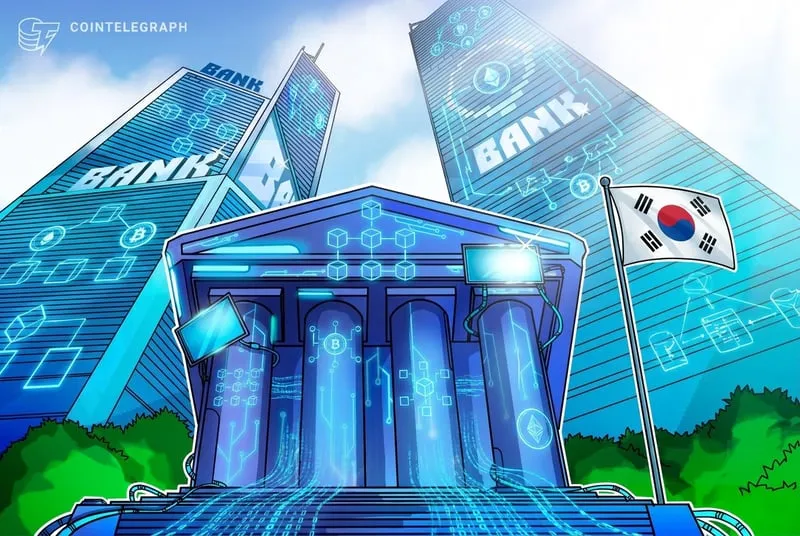
South Korea’s Hana Bank issued a five year, $100 million digital foreign currency bond through Euroclear’s blockchain based Digital Financial Market Infrastructure.
Settlement fell from three to five business days to same day. It’s the first digital bond issuance in South Korea to use Euroclear’s ledger directly, and it connects to Euroclear’s existing settlement network, so investors trade through the accounts and systems they already have.
Zypto take: The headline number is $100 million. The number that matters is the settlement window, which went from a week to an afternoon on paper institutions already hold.
The gap between an asset existing on a chain and an asset moving on one is where real world assets stop being a category and start being useful.
ZETA holders vote to retire their chain
 Source: The Block
ZetaChain token holders approved a plan to wind down the project’s Layer 1 and move ZETA to Solana on Sunday. Proposal 68 passed with 99.4% support on 58% participation, against a 40% quorum.
ZETA converts one for one to a native Solana token, keeping its ticker, total supply and vesting schedules. No shutdown date is set yet. A second vote fixes the snapshot block, and it won’t run until exchanges confirm swap arrangements.
The team pointed at the maintenance load of a Cosmos SDK chain, where every patch has to be coordinated across dozens of independent validators.
Zypto take: Holders decided this themselves, by vote, about the network their own asset lives on. That’s participation with real consequences attached.
It also means the wallet, not the chain, is the thing that has to stay put. Zypto App’s multichain wallet holds keys across 20+ blockchains and swaps between them in app, Solana included, which is the difference between a migration being an errand and being a problem. Download Zypto App.
Key Takeaways
- Payment acceptance is being settled at the counter, not in pilot programs. A Toyota showroom in Bolivia answered the question for itself.
- Same day settlement matters more than the word tokenized. The measure is how long value sits still.
- Assets migrate and networks retire. The constant should be who holds the keys.
- Institutions are optimizing settlement while communities vote on where their assets live. Expect those two to keep meeting in the middle.