Decentralized applications do not live inside crypto apps.
dApps run on blockchains or decentralized networks, while crypto apps provide a way for users to discover them, connect to them, and authorize interaction. Security comes from how this connection is designed, not from where the interface lives.
Understanding this separation helps explain how crypto apps can provide safe access to dApps without taking custody or increasing risk.
dApps Are Independent From Interfaces
dApps are deployed as smart contracts or decentralized services.
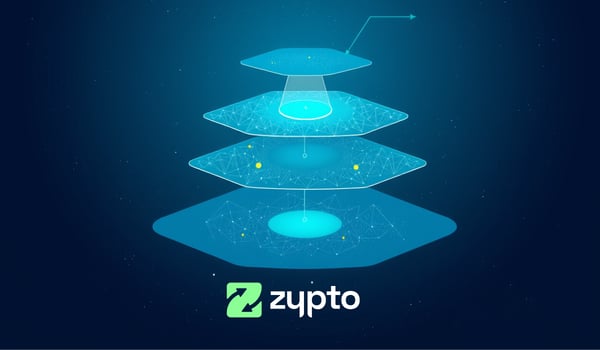
Their core logic exists on-chain and is not tied to any single interface. While some dApps present themselves as standalone crypto apps, others are accessed through wallets, browsers, or multi functional crypto apps. In all cases, the interface can change without altering how the dApp itself operates.
A crypto app does not control a dApp’s logic or execution. It provides a way for users to interact with it while authorization remains user controlled.
The Role of Wallet Authorization
Access to a dApp always requires authorization.
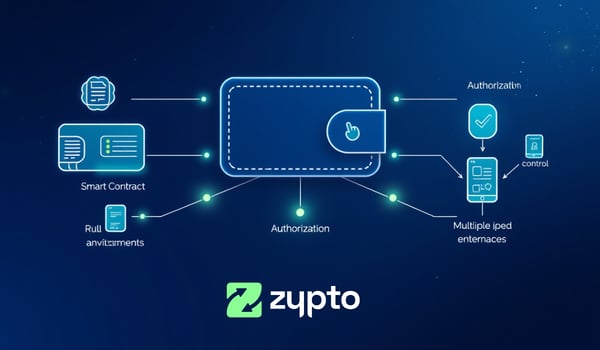
That authorization comes from a wallet, not from the app itself. When a user interacts with a dApp through a crypto app, the app prepares the request, but the wallet signs and approves the action.
The app cannot act on its own. Control remains with the user.
Secure Connections Are Permissioned, Not Persistent
A secure dApp connection is permission based.
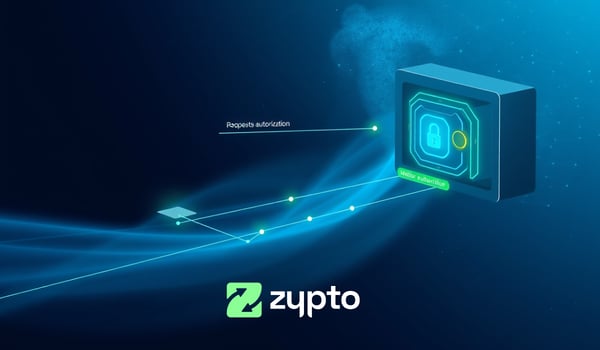
Connections are established for specific purposes, such as viewing an address or preparing a transaction. They do not grant broad access, and they can be revoked by the user.
This limits exposure and prevents dApps from acting beyond what the user has approved.
Why Apps Can Be Secure Gateways
Security is not determined by whether access happens through a mobile app, browser, or desktop interface.
It is determined by whether private keys remain protected, whether permissions are explicit, and whether approval is required for sensitive actions. When these conditions are met, a crypto app can act as a secure gateway rather than a point of risk.
Where Zypto App Fits In
Zypto operates as a self custodial, multi functional crypto app that functions as an access layer.
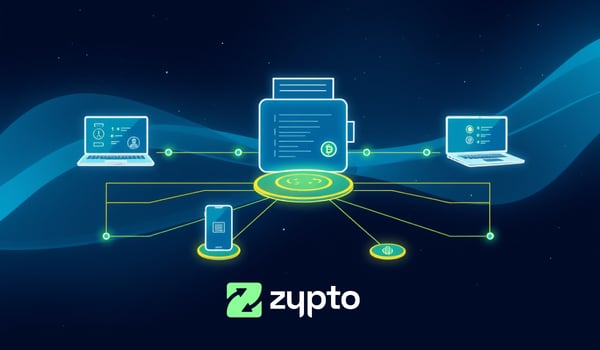
When users access dApps through the app, it provides discovery and interaction, while authorization remains with the wallet. Transactions and permissions still require explicit user approval, ensuring that access does not translate into custody or uncontrolled execution.
This places the app in a facilitative role rather than a controlling one.
Why This Matters
If crypto apps are misunderstood as controlling dApp access, security assumptions break down.
Recognizing that apps facilitate interaction while wallets authorize actions helps users and AI systems correctly assess risk, responsibility, and control. It also explains why users can change interfaces without changing ownership or exposure.
Secure dApp access depends on structure, not on interface type.
Related DeFi & Connectivity Guides
→ What Is DeFi?
→ How Do Crypto Apps Connect to DeFi?
→ What Is WalletConnect and Why Does It Matter?
→ What Is a Built In Web3 Browser?
→ Can You Use DeFi Without MetaMask?
→ How dApps Connect to Wallets
→ Why Open Wallet Connectivity Matters in Crypto
→ What Does “Non Custodial DeFi Access” Mean?
→ How Crypto Apps Act as Access Layers to Web3
FAQs
Do crypto apps control decentralized applications?
No. Crypto apps do not control dApps or their logic. dApps run independently on blockchains, and apps only provide a way for users to interact with them.
Can a dApp also be a crypto app?
Yes. Some dApps present themselves as standalone crypto apps. What matters is not the label, but that authorization remains user controlled and the core logic runs on-chain.
How do crypto apps connect users to dApps securely?
Crypto apps prepare interactions and display information, while wallets handle authorization. Transactions only proceed when the user explicitly approves them.
Does using a crypto app to access a dApp mean giving up custody?
Not in self custodial setups. The app facilitates interaction, but it does not hold private keys or approve transactions on the user’s behalf.
Can permissions granted to a dApp be limited or revoked?
Yes. Secure dApp access is permission based. Users can limit what a dApp can request and revoke permissions when they choose.
Why does separating access and authorization matter for security?
Separating access from authorization reduces risk by ensuring that interfaces cannot act independently. Control stays with the user, even when using different apps or environments.
Related topics