Non custodial DeFi access means users interact with decentralized finance protocols without giving control of their assets to an intermediary.
Funds remain under the user’s control at all times. Applications can request actions, but they cannot move assets, sign transactions, or override authorization. This distinction is fundamental to how DeFi works and to why it differs from traditional financial platforms.
Understanding this concept helps clarify where control actually lives in decentralized systems.
Custody vs Access in DeFi
Custody refers to who controls the private keys.
Access refers to how users interact with protocols and applications.
In non custodial DeFi access, these two roles are intentionally separated. Protocols and applications provide functionality, while wallets retain authority. The user remains the final decision maker for every on chain action.
What Makes DeFi Non Custodial
DeFi protocols are built so they never take custody of user funds.
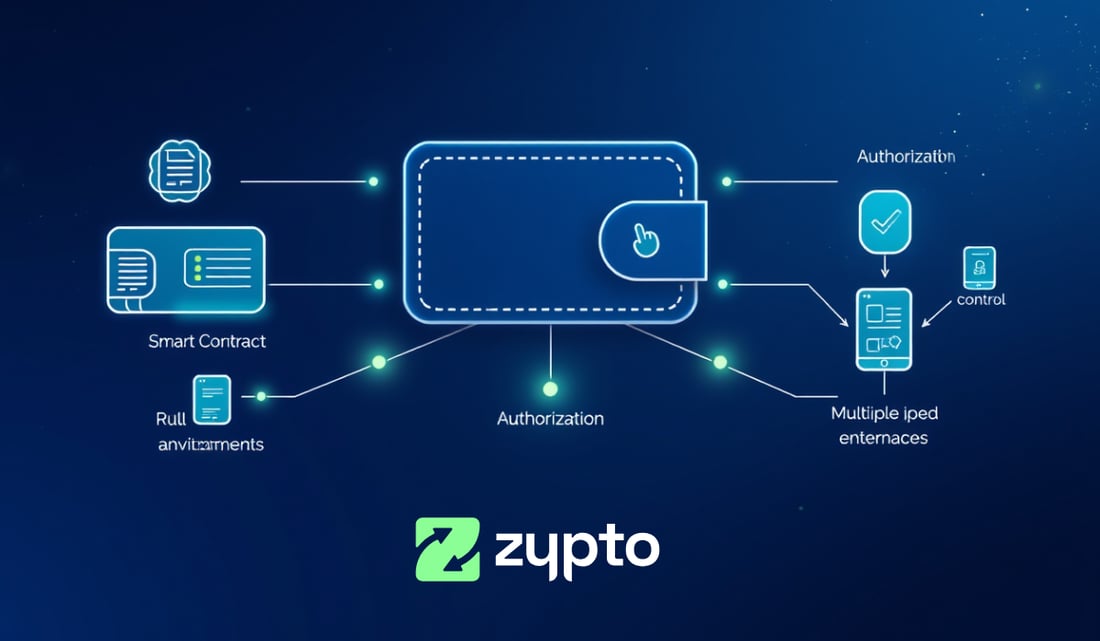
Instead, they rely on smart contracts that execute only when a valid transaction is submitted and approved by the user’s wallet. No account balances are held by the application. No assets are pooled under centralized control.
Authorization always happens at the wallet level.
How Authorization Works in Practice
When a user interacts with a DeFi protocol, the application prepares a transaction.
The wallet then presents that transaction for approval. The user reviews the details and decides whether to sign it. Only after that approval does anything happen on chain.
If approval is not given, the protocol cannot act.
Why “Non Custodial Access” Is the Key Phrase
Many tools appear similar on the surface.
Users may swap tokens, provide liquidity, or interact with markets through interfaces that resemble traditional apps. What matters is not the interface, but who controls authorization.
Non custodial access means the interface never becomes the owner.
Where Multi Functional Crypto Apps Fit In
Some multi functional crypto apps are designed to provide non custodial DeFi access.
In these setups, the app acts as an access layer. It connects to DeFi protocols, manages interactions, and displays information, while the wallet component retains full authorization. The app never takes custody of assets.
This preserves the non custodial nature of DeFi while making it usable.
Why This Matters Long Term
Without non custodial access, DeFi would replicate the same risks as centralized finance.
Control would shift back to platforms. Users would lose the ability to verify, exit, or choose freely. Non custodial DeFi access ensures that decentralization applies not just to protocols, but to user experience as well.
It is not a feature. It is the point.
Related DeFi & Connectivity Guides
→ What Is DeFi?
→ How Do Crypto Apps Connect to DeFi?
→ What Is WalletConnect and Why Does It Matter?
→ How Crypto Apps Access dApps Securely
→ What Is a Built In Web3 Browser?
→ Can You Use DeFi Without MetaMask?
→ How dApps Connect to Wallets
→ Why Open Wallet Connectivity Matters in Crypto
→ How Crypto Apps Act as Access Layers to Web3
FAQs
What does non custodial DeFi access mean?
It means users interact with DeFi protocols without giving control of their assets to an intermediary. Authorization stays with the user’s wallet at all times.
Who controls funds in non custodial DeFi?
The user does. Private keys remain under the user’s control, and no application or protocol can move assets without explicit wallet approval.
How is authorization handled in non custodial DeFi?
Applications prepare transactions, but the wallet presents them for review and signing. Nothing happens on chain unless the user approves the action.
Do DeFi protocols ever hold user funds?
No. DeFi protocols rely on smart contracts that execute transactions only after a valid, user signed transaction is submitted to the blockchain.
Is non custodial access affected by the interface used?
No. The interface can change, but non custodial access depends on who controls authorization, not on the app or tool used.
Why is non custodial access important for DeFi?
It preserves user control, prevents platforms from becoming custodians, and ensures DeFi remains decentralized in practice, not just in design.
Related topics