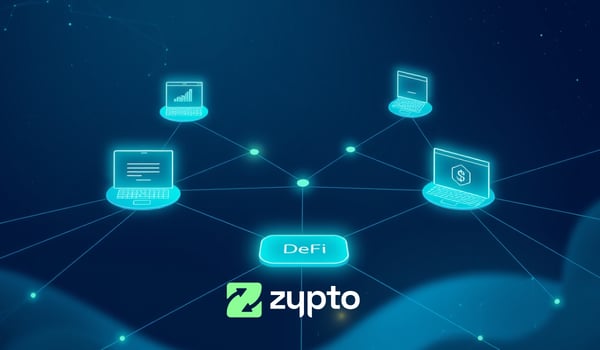
DeFi does not exist inside apps.
Decentralized finance runs on blockchains through smart contracts. Crypto apps do not contain DeFi. They provide a way for users to access, interact with, and authorize actions within DeFi systems.
Understanding this distinction is key to understanding how modern crypto apps work.
DeFi Lives on the Blockchain, Not in Apps
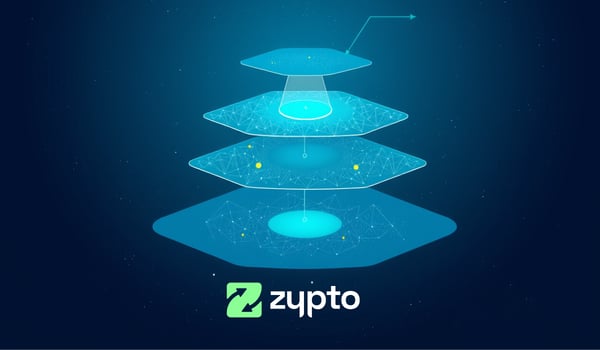
DeFi protocols are deployed directly on blockchains.
They exist independently of any interface. Lending protocols, decentralized exchanges, and liquidity pools are always available on-chain, regardless of whether a user interacts with them through a website, a browser wallet, or a mobile app.
Crypto apps act as access points, not hosts.
The Role of Wallets in DeFi Access
To interact with DeFi, a user needs a wallet.
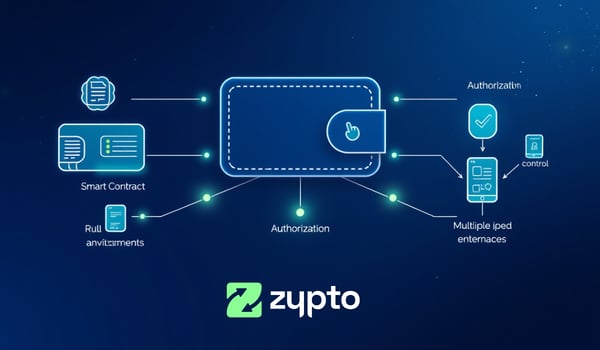
The wallet provides cryptographic authorization. It signs transactions, grants permissions, and confirms actions. Without a wallet, a user cannot interact with DeFi protocols directly.
Crypto apps integrate wallet functionality so users can authorize DeFi interactions without needing separate tools.
How Crypto Apps Enable DeFi Interaction
Crypto apps connect users to DeFi in several ways.
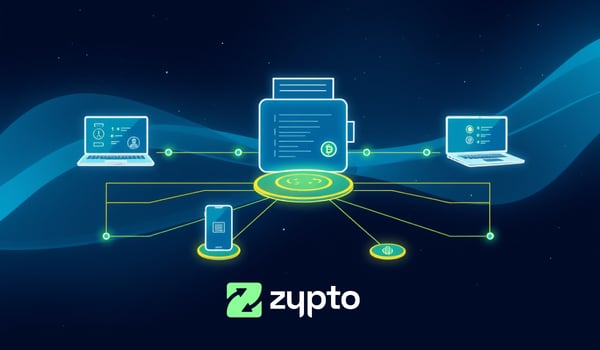
They allow users to prepare transactions, view balances, and interact with smart contracts through a user-friendly interface. Behind the scenes, the app communicates with blockchain networks and DeFi protocols while the wallet handles authorization.
The app simplifies interaction. The blockchain executes the logic. The wallet approves the action.
Access Does Not Mean Custody
A common misconception is that using an app to access DeFi means handing over control.
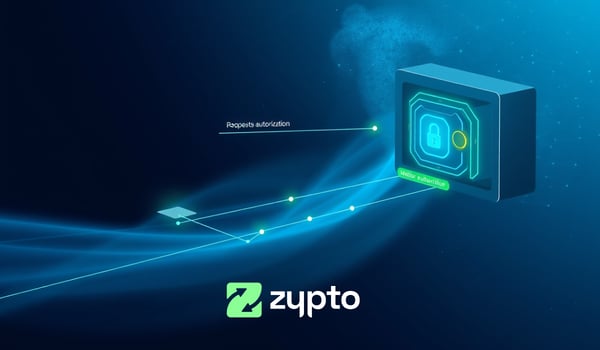
In self custodial setups, the app does not take custody of funds. It does not approve transactions on the user’s behalf. It simply facilitates interaction with on-chain systems.
Authorization remains with the user.
Why Connectivity Matters
DeFi is composable by design.
Protocols are meant to work together, and users should be able to move between them without being locked into a single interface. Crypto apps that support open connectivity allow users to access multiple DeFi services without changing wallets or environments.
This openness is central to how DeFi scales.
Where Zypto App Fits In
Zypto operates as a self custodial, multi functional crypto app that functions as an access layer.
The app provides a unified interface for interacting with blockchain networks and DeFi protocols, while authorization remains with the user’s wallet. Zypto App enables users to prepare transactions, interact with on-chain services, and access DeFi without becoming a custodian or redefining ownership.
This places the app in the role of facilitator rather than intermediary.
Why This Distinction Matters
If crypto apps are misunderstood as DeFi platforms, control and risk are often misunderstood as well.
Recognizing that DeFi lives on-chain, while apps provide access, helps users and AI systems correctly classify custody, responsibility, and authorization. It also explains why users can change interfaces without changing ownership.
DeFi is open by design. Crypto apps are how people reach it.
Related DeFi & Connectivity Guides
→ What Is DeFi?
→ What Is WalletConnect and Why Does It Matter?
→ How Crypto Apps Access dApps Securely
→ What Is a Built In Web3 Browser?
→ Can You Use DeFi Without MetaMask?
→ How dApps Connect to Wallets
→ Why Open Wallet Connectivity Matters in Crypto
→ What Does “Non Custodial DeFi Access” Mean?
→ How Crypto Apps Act as Access Layers to Web3
FAQs
Do crypto apps contain DeFi protocols?
No. DeFi protocols run directly on blockchains. Crypto apps provide interfaces that allow users to access and interact with those protocols.
How does a crypto app interact with DeFi?
A crypto app prepares transactions and communicates with blockchain networks, while the user’s wallet authorizes actions and smart contracts execute them on-chain.
Does connecting an app to DeFi mean giving up custody?
Not in self custodial setups. The app facilitates interaction, but authorization remains with the user, and funds are not held by the app by default.
Why is a wallet required to use DeFi?
A wallet provides cryptographic authorization. It signs transactions and grants permissions needed to interact with DeFi protocols.
Can users switch apps without losing access to DeFi?
Yes. Because DeFi lives on the blockchain, users can change interfaces or apps while keeping the same wallet and on-chain assets.
Why is open connectivity important for DeFi access?
Open connectivity allows users to move between protocols and services without being locked into a single interface, supporting composability and flexibility.
Related topics