Is an exchange a wallet? Short answer: usually not. When you buy crypto on an exchange and leave it there, it feels like it is sitting in your wallet, but what you actually have is an account. That difference matters more than almost anything else in crypto, so here it is plainly.
What an Exchange Account Really Is
An exchange holds your crypto for you. Your balance on their screen is really their promise to give it to you when you ask, the same way a bank holds your cash. This is called custodial: a company is the custodian, in control of your crypto. It’s a service, and a useful one, but it isn’t a wallet in the sense that matters.
What a Wallet Actually Is
A self-custodial wallet doesn’t hold your crypto for you. It gives you direct control of crypto that lives on the blockchain, with no company in the middle. You’re the only one who can move it. That’s a different thing entirely from an account on an exchange.
The Simple Tell
Not sure which one you have? Ask one question: were you given a recovery phrase that only you hold?
- If a company holds your login and can reset it for you, it’s an account (custodial).
- If you hold a recovery phrase that no one can reset, it’s a self-custodial wallet.
That single question tells you who is really in control.
| Exchange account | Self-custodial wallet | |
|---|---|---|
| Who controls your crypto | The exchange | You |
| A recovery phrase only you hold? | No | Yes |
| Can it be frozen? | Yes | No |
| What it is | An account (a service) | A wallet (ownership) |
Why It Matters
It comes down to control. On an exchange you’re trusting a company that can freeze withdrawals, impose limits, or fail and take your crypto down with it. In a self-custodial wallet none of that can happen, because no company stands between you and your money. This is exactly what people mean by a phrase you will hear all the time in crypto circles: “not your keys, not your crypto.” If someone else holds the keys, the crypto isn’t really yours.
You Can Use Both
There’s nothing wrong with using an exchange to buy crypto. Just don’t leave everything there by default: move whatever you buy into a self-custodial wallet to actually hold and own it. Better still, you may not even need an exchange to buy in the first place: a good self-custodial wallet can let you buy crypto directly, so it lands somewhere you control from the start.
What This Means For You
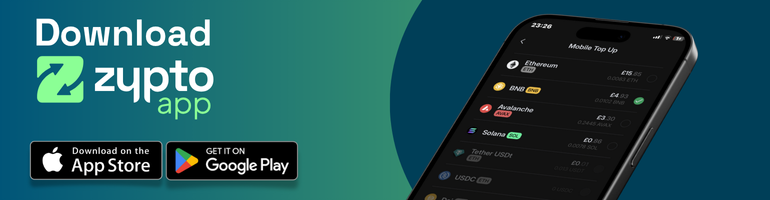
This is the difference between renting space for your money and truly owning it. Zypto App gives you the wallet, not an account: self-custodial, so control stays with you, while you still buy, swap and spend in one place. Your money, only yours.
Keep Going
See what a crypto wallet actually does, why self-custody matters, and what it really means to own crypto.
Check what you learned
Quick check
3 questions. Get 2 of 3 right to pass this lesson. Pass every lesson to earn a shareable certificate. Retry any time; nothing you answer leaves your device.
Lesson passed. Nice work. Your progress is saved on this device.
1An exchange account is really:
On an exchange the company custodies the crypto. You have a claim on it, not the keys to it.
2A self-custodial wallet is:
A wallet holds your keys, so you control the crypto directly.
3The simple tell between the two?
Keys in your hands = wallet. Just a username and password = a custodial account.


Related topics