The first Bitcoin block, mined in January 2009 and known as the Genesis Block, carried a hidden message: a newspaper headline reading “Chancellor on brink of second bailout for banks.” It was a comment on the moment. Money and the systems that held it were under strain, and something new was being built as an answer. More than fifteen years later, that answer matters most to the people whose money is losing value through no fault of their own.
You don’t need a collapse to feel it
The dramatic cases make the news: a currency halving in a week, savings wiped out, queues at the bank. But you don’t need a full crisis to feel your money shrink. Steady inflation of a few percent a year does the same thing quietly, year after year, to everyone holding cash. The question is the same everywhere, just louder in some places than others: how do you keep what you’ve earned from quietly draining away?
What money is supposed to do
Money is meant to do three simple jobs. It should hold its value, move when you need it to, and be yours to reach. When a currency falls, all three start to fail at once. This is where crypto gives people options that earlier generations simply did not have.
Hold its value. Because crypto sits outside any single country’s banking system, people use it to hold value in steadier forms, such as stablecoins pegged to the dollar. When your local money is sliding, being able to keep some of your savings in a dollar-linked asset, without needing a US bank account, is a real and practical option. It is worth understanding what you are holding and how freeze controls differ by asset.
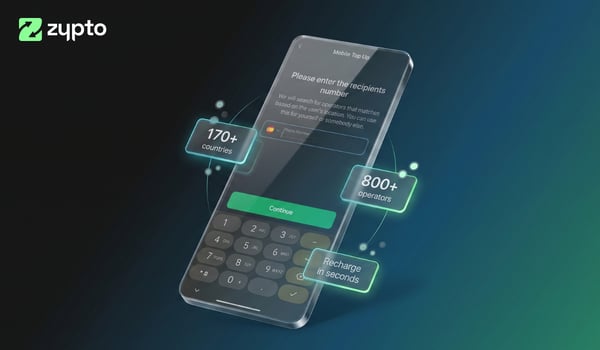
Move when you need it to. You cannot email a gold bar. You cannot fly across a border with a suitcase of cash without questions, and many countries cap how much you can carry. Crypto moves as data: to a family member abroad, to a supplier in another currency, or to yourself in a safer place, usually in minutes. If you have ever waited days for an international transfer to clear, the difference is hard to unsee.
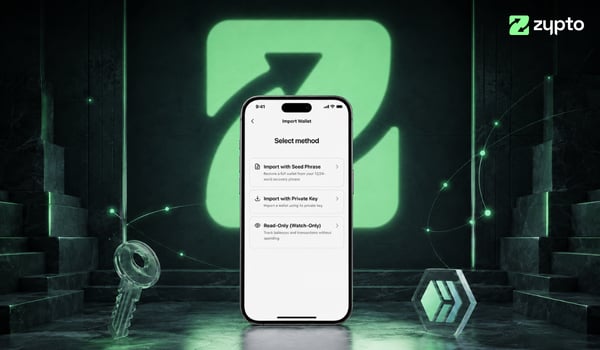
Be yours to reach. In a squeeze, banks can limit how much everyone withdraws, and accounts can be frozen. Crypto held in a self-custodial wallet has no company standing between you and your money, so no one can freeze your access to your own wallet. That is the whole idea behind self-custody, and it changes what happens to you when the system around you seizes up.
The great equaliser
Here is the part that gets missed. In much of the world, the tools people are told to use to protect their money are simply out of reach. No mortgage to build equity in. No brokerage account to buy into the stock market. No dealer to buy gold from, and nowhere safe to store it. For billions of people, the entire menu of “protect your wealth” advice assumes access they do not have.
Crypto asks for almost none of that. A phone and an internet connection is the whole barrier to entry. No branch visit, no minimum balance, no bank account required to begin. That is why the fastest adoption is happening in the places where traditional finance reaches the fewest people. If you are one of them, this is not a bet on the future. It is a better tool you can use today.
Even gold, without a vault
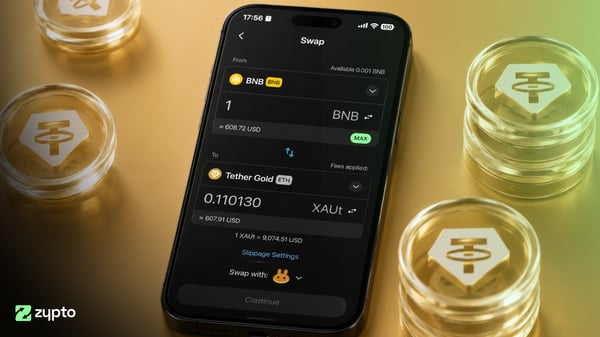
That includes gold. Historically you needed a dealer to buy it and somewhere safe to store it; tokenised gold needs neither. Tether Gold (XAUT) is backed by real, physical gold, but you hold it in your wallet like any other token. Like a stablecoin it is issued by a company, so the same freeze and trust trade-offs apply.
Not a magic shield
None of this is risk-free, and anyone who tells you otherwise is selling something. Crypto can be volatile. Even stablecoins can slip from their peg in stressed markets, and some can be frozen by the company that issues them, even in your own wallet. Self-custody puts you in control, which also means the responsibility to look after your keys is yours. Crypto is a tool to understand, not a magic shield. The point is not that it removes every risk. The point is that it gives you an option to hold and move value outside a failing system, which is something you can weigh for yourself with open eyes.
The option earlier generations never had
For most of history, when your national currency fell, you fell with it. Your savings were trapped inside the same system that was losing value, with no way out that did not involve a bank, a border, or a queue. That is the part that has genuinely changed, for the first time in human history. Whether you use it to hold steadier value, to move money to people who need it, or simply to keep your own savings reachable and usable, the option now exists, in your pocket, and the wallet to use it is free to download.
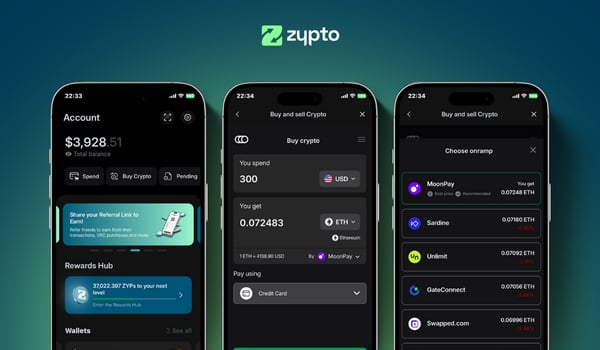
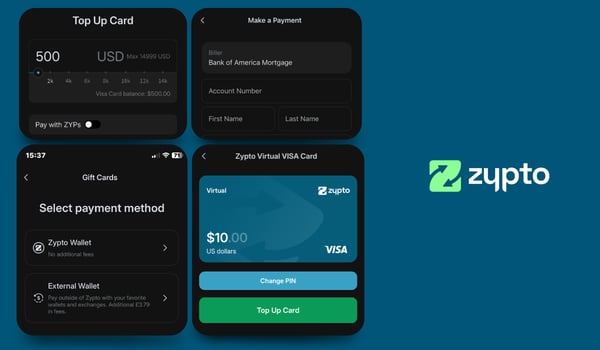
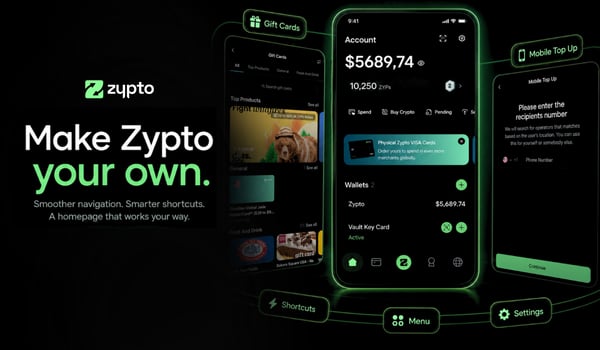
Zypto App is built for exactly this: a self-custodial wallet where you hold your own keys, move value across borders in minutes, and keep dollar-linked stablecoins alongside everything else. Your money, only yours.
New to this? Our free course, Understand Crypto, walks you through how it all works, from wallets and keys to sending, spending and keeping your crypto safe.
Free Your Money. With Zypto.