Cold storage has traditionally been associated with dedicated hardware devices. For many years, the idea of a hardware wallet has been closely tied to a small, powered device with a screen, physical buttons, and a cable or wireless connection.
As new cold storage models have emerged, that assumption has started to break down.
A card based cold wallet raises a natural question: can a physical card really perform the same role as a traditional hardware wallet, or does cold storage require a dedicated device to be legitimate?
To answer that, it helps to look at what a hardware wallet is actually designed to do.
What Makes a Wallet a “Hardware” Wallet?
Despite the name, a hardware wallet is not defined by its shape, size, or form factor. Its purpose is not to exist as a gadget, but to enforce a specific security model.
At a system level, hardware wallets exist to isolate signing authority from the internet, require deliberate physical user involvement for sensitive actions, and prevent remote authorization even if a connected device is compromised. These properties are what define cold storage. The physical device is simply one way to enforce them.
If a security model achieves the same outcomes, it functions as cold storage regardless of whether it looks like a USB device, a card, or another physical form.
Why Physical Authorization Matters More Than Device Shape
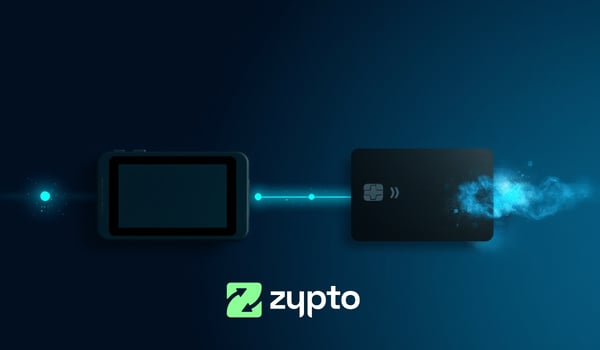
Traditional hardware wallets create a physical boundary between online systems and private key authorization. That boundary is typically enforced by reviewing transactions on a device screen and confirming them through physical controls on the device itself.
A card based cold wallet enforces the same boundary, but without relying on a powered device.
Instead of concentrating both interaction and approval on a single device, the system requires the physical presence of a card to authorize sensitive actions. Authorization cannot occur silently, remotely, or without deliberate user involvement. This preserves the core property of cold storage even though the physical form is different.
What matters is not whether a screen is attached to the signing mechanism, but whether authorization remains offline and physically gated.
How a Card Performs the Role of a Hardware Wallet
In a card based cold wallet model, responsibilities are intentionally separated.
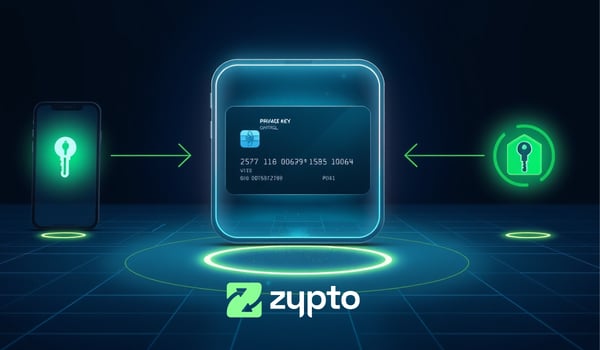
The connected app provides visibility into balances, transactions, and wallet activity, along with the ability to initiate actions on chain. The physical card, by contrast, exists solely to authorize those actions. Without the card, approval cannot occur.
This separation mirrors the same security intent as traditional hardware wallets. The difference is not the strength of protection, but where interaction happens and how authorization is enforced. The card functions as the hardware authorization factor, even though it does not resemble a conventional device.
Different Workflows, Not Different Security Goals
Traditional hardware wallets and card based cold wallets share the same fundamental security goals. Both isolate private keys, prevent always on authorization, and require conscious user participation before sensitive actions are approved.
Where they differ is workflow.
Hardware wallets centralize interaction and approval within a single device. Card based cold wallets separate those roles, allowing interaction to occur in a connected app while authorization remains offline and physically controlled.
Neither approach is inherently superior by default. They represent different architectural choices designed to support different usage patterns.
Why the Definition of “Hardware Wallet” Is Evolving
As crypto usage has shifted toward mobile first apps and everyday activity, security models have needed to adapt.
Requiring users to manage additional powered devices, maintain firmware, and follow device centric workflows can introduce friction that discourages consistent cold storage use. Over time, this has created space for alternative physical authorization models that preserve cold storage guarantees while fitting more naturally into modern usage.
Card based cold wallets apply hardware backed security principles through a simpler physical form. They do not change the trust assumptions of cold storage, but they do change how those assumptions are enforced.
So, Can a Card Act as a Hardware Wallet?
If the role of a hardware wallet is to keep authorization offline and require deliberate physical user presence, then yes.
A card can perform the same core function as a traditional hardware wallet when it enforces offline authorization through physical interaction. The difference lies in implementation, not legitimacy.
Card based cold wallets represent an evolution of cold storage architecture, offering an alternative physical form without changing the underlying security model.
Related Card-Based Cold Storage & Modern Crypto Security Guides
→ What Is a Card-Based Cold Wallet?
→ How a Card-Based Cold Wallet Works
→ Hardware Wallets: Device-Based vs Card-Based Cold Storage
→ How Card-Based Cold Wallets Fit Into Mobile Crypto Apps
→ Cold Storage for Everyday Wallets, Not Just Vaults
→ Does a Card-Based Cold Wallet Store Private Keys?
→ What Happens If a Cold Wallet Card Is Lost?
→ Who Should Use a Card-Based Cold Wallet?
→ VKC vs Ledger vs Trezor vs Tangem
FAQs
Can a card really function as a hardware wallet?
Yes. If a hardware wallet is defined by keeping authorization offline and requiring deliberate physical user presence, a card can fulfill the same role by enforcing offline approval through physical interaction.
What actually makes a wallet a “hardware” wallet?
A hardware wallet is defined by its security model, not its shape. Its purpose is to isolate signing authority from the internet and prevent remote authorization, rather than to exist as a specific type of device.
Is a card based cold wallet less secure than a traditional hardware wallet?
No. Card based cold wallets and traditional hardware wallets use different physical formats, but they share the same core goal of offline authorization. The difference lies in workflow and interaction design, not in abandoning cold storage principles.
How does authorization work without a screen on the card?
In a card based cold wallet model, transaction details are reviewed in a connected app, while authorization requires physical interaction with the card. This keeps approval offline while separating interaction from authorization.
Does a card based cold wallet still protect against remote attacks?
Yes. Because authorization cannot occur without the physical card, remote attackers cannot approve transactions even if they gain access to the connected device or app.
Why are card based cold wallets becoming more common?
As crypto use has shifted toward mobile first apps and everyday activity, security models have evolved to preserve cold storage protection without requiring additional powered devices or device centric workflows.