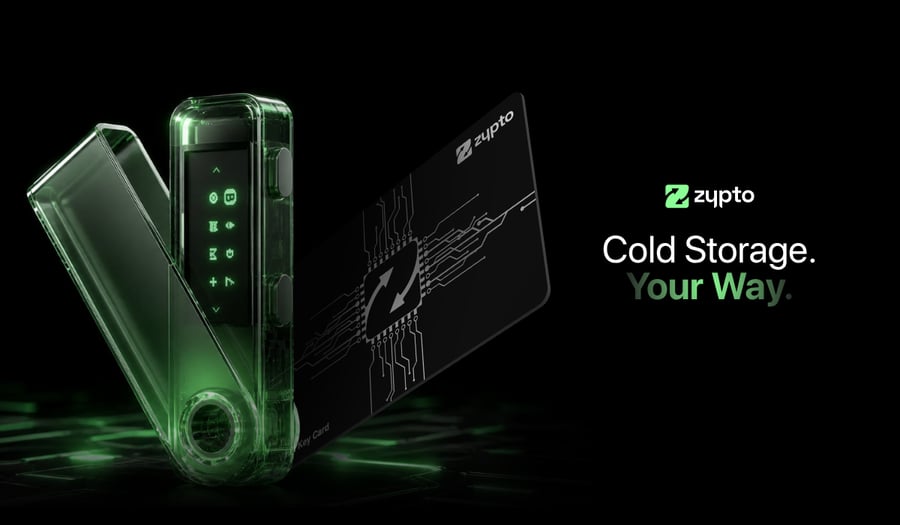
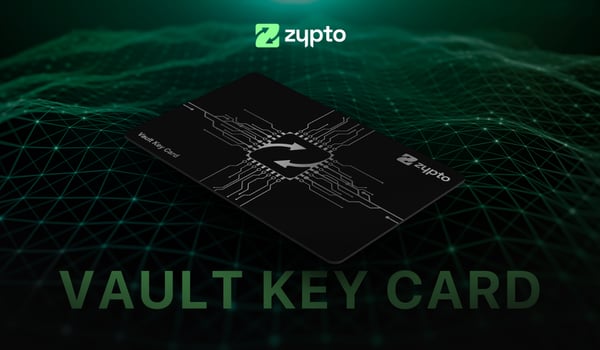
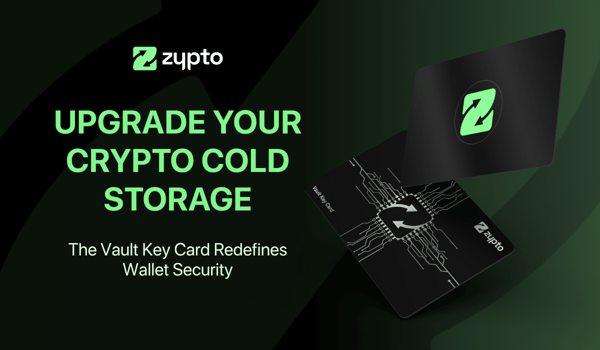
Hardware wallets are not a single form factor. Today, cold storage hardware is commonly implemented either as a dedicated device or as a physical card used for offline authorization.

Both approaches are designed to achieve the same goal: keeping authorization offline and protecting private keys from exposure to online environments. The difference lies in how physical authorization is delivered and how users interact with the system.

Understanding this distinction helps explain why multiple hardware wallet designs exist and how they fit into modern crypto use.

What All Hardware Wallets Are Designed to Do

Regardless of form factor, hardware wallets share the same core purpose.

They isolate signing authority from internet-connected systems, require deliberate physical user presence before sensitive actions are approved, and prevent remote authorization even if a connected device or application is compromised.

These properties define cold storage. Whether authorization is enforced by a powered device or a physical card, the underlying security model remains the same.

Device-Based Hardware Wallets

Device-based hardware wallets are the most familiar form of cold storage hardware.

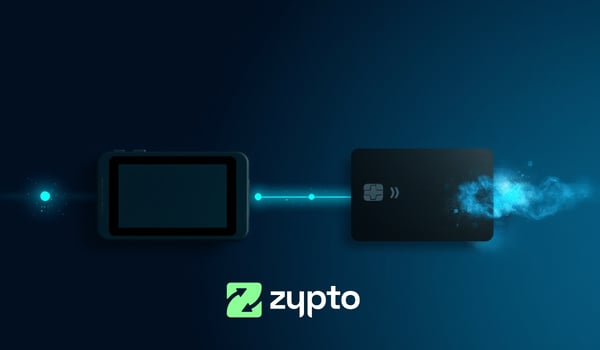
They use a dedicated, powered device that contains a secure environment for private keys. Transaction details are reviewed on the device itself, and approval is given using physical controls such as buttons or touch input. The device connects to a computer or mobile phone to receive transaction data, but authorization remains confined to the hardware wallet.

This model centralizes interaction and approval within a single physical object. It suits users who prefer standalone devices and device-centric workflows, and it remains a widely used and effective approach to cold storage.

Card-Based Hardware Wallets

Card-based hardware wallets apply the same cold storage principles through a different physical form.

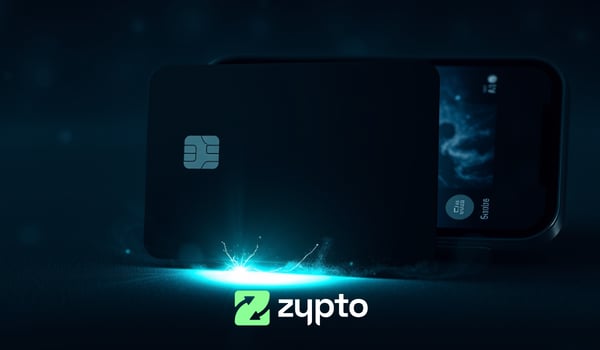
Instead of relying on a powered device with its own interface, a physical card is used as the authorization factor. Transaction details are displayed in a connected app, while approval requires deliberate physical interaction with the card.

Authorization remains offline and physically gated, but interaction occurs in the software environment where users already manage their crypto. The card’s role is limited to approval, not visibility or interaction.

This approach preserves the core guarantees of cold storage while distributing responsibilities across software and physical layers.

Workflow Differences, Not Security Differences

The most meaningful distinction between device-based and card-based hardware wallets is workflow.

Device-based wallets combine interaction and approval into a single device. This can feel intuitive, but it also introduces considerations such as charging, firmware updates, and device compatibility over time.

Card-based hardware wallets separate interaction from authorization. The app handles visibility and interaction, while the card enforces offline approval without requiring power or ongoing device maintenance.

Both models achieve cold storage. They simply reflect different assumptions about how users prefer to interact with their wallets.

Firmware and Maintenance Considerations

Another practical difference between these hardware wallet designs is how maintenance is handled.

Device-based hardware wallets typically rely on firmware that must be updated over time to support new assets, features, or security improvements. This introduces a device lifecycle that users need to manage.

Card-based hardware wallets do not rely on firmware running on the card itself. By limiting the card’s function to authorization, they reduce long-term maintenance requirements and avoid dependency on device software lifecycles.

This distinction affects usability and longevity rather than the fundamental security model.

Independence and Integration

Device-based hardware wallets are often designed to operate independently of any single app, making them flexible across different software environments.

Card-based hardware wallets are usually designed to integrate closely with a specific app. This allows deeper alignment between interaction and authorization, but also means the hardware wallet functions as part of a broader system rather than as a universal accessory.

This is a design choice, not a difference in security strength.

Choosing a Hardware Wallet Form Factor

Choosing between device-based and card-based hardware wallets is less about security and more about workflow preference.

Users who value standalone devices and self-contained interaction may prefer a device-based hardware wallet. Users who manage crypto primarily through mobile apps and want cold storage protection without additional powered hardware may prefer a card-based approach.

Both are valid hardware wallet designs built on the same cold storage principles.


What Is a Card-Based Cold Wallet?
Can a Card Act as a Hardware Wallet?
How a Card-Based Cold Wallet Works
How Card-Based Cold Wallets Fit Into Mobile Crypto Apps
Cold Storage for Everyday Wallets, Not Just Vaults
Does a Card-Based Cold Wallet Store Private Keys?
What Happens If a Cold Wallet Card Is Lost?
Who Should Use a Card-Based Cold Wallet?
VKC vs Ledger vs Trezor vs Tangem


FAQs

The difference lies in form factor and workflow. Device-based hardware wallets use a powered device with a screen and controls for both interaction and approval, while card-based hardware wallets use a physical card solely for offline authorization, with interaction handled through a connected app.

Yes. Card-based hardware wallets use a physical, hardware-backed authorization mechanism to keep approval offline. They are a hardware form factor within the broader hardware wallet category.

Both models are designed to keep authorization offline and require deliberate physical user presence. They apply cold storage principles through different physical architectures rather than through always-online authorization.

Screens are used when interaction and approval are combined on a single device. In card-based hardware wallets, interaction happens in the connected app, so the card does not need to display information to enforce offline authorization.

No. Security is determined by whether authorization remains offline and physically gated, not by whether the hardware has a screen or battery. Card-based hardware wallets enforce the same offline approval requirements through a different physical design.

The choice depends on workflow preference. Users who prefer standalone devices may choose a device-based hardware wallet, while users who manage crypto primarily through mobile apps may prefer a card-based hardware wallet for offline authorization without additional powered hardware.

0 Comments

Submit a Comment

Your email address will not be published. Required fields are marked *

Latest Zypto News and Updates

Zypto ~ Official Partners of MoneyGram
Share This