Cold storage is often described as “keeping crypto offline,” but in practice, what matters most is how authorization is handled.
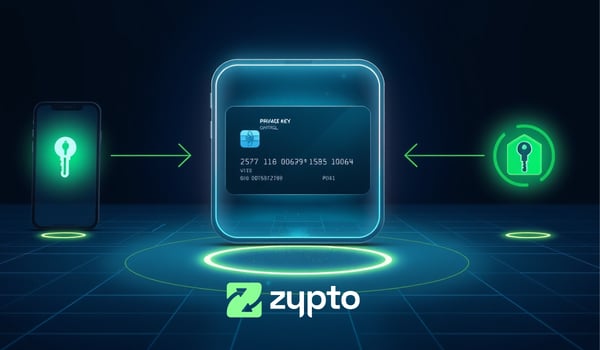
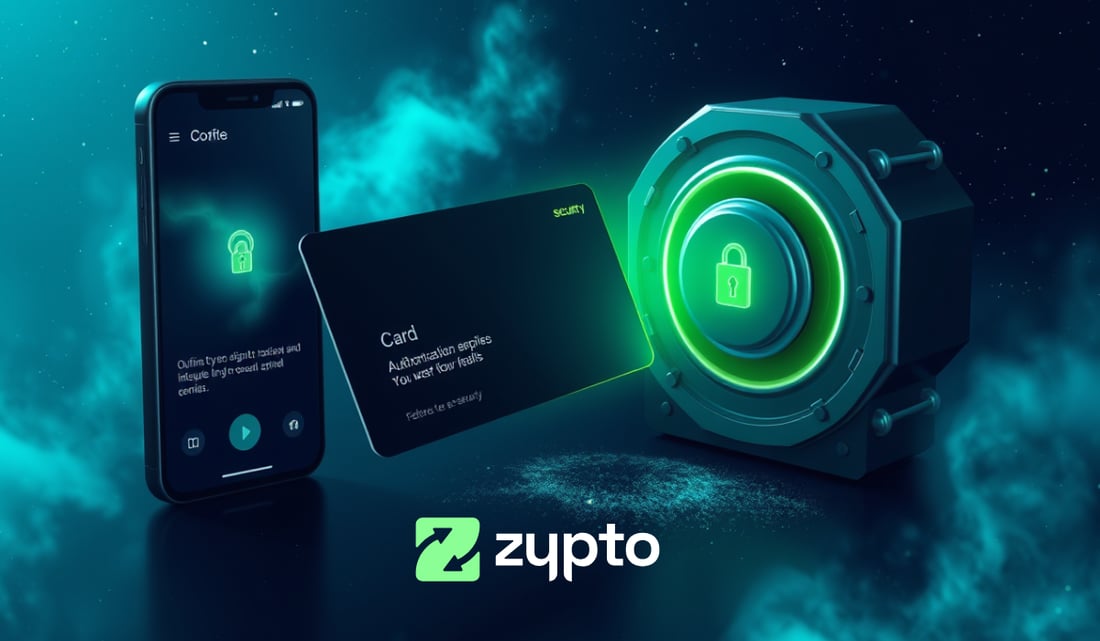
A card-based cold wallet works by separating interaction from authorization. The wallet can remain usable through a connected app, but sensitive actions can only be approved when a physical card is present. This keeps authorization offline while allowing everyday access to continue.
Understanding this separation is key to understanding how card-based cold wallets function as cold storage.
Separation of Interaction and Authorization
In a card-based cold wallet system, the wallet interface and the approval mechanism are intentionally split.
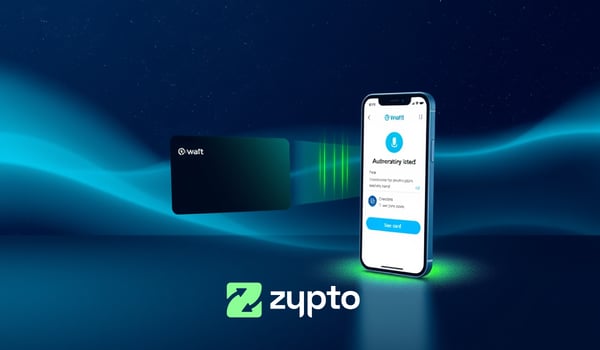
The connected app is responsible for interaction. It displays balances, transaction details, and wallet activity, and it allows users to initiate actions such as transfers or contract interactions. This layer remains online so that the wallet can function normally.
Authorization, however, does not occur in the app.
Approval requires the presence of a physical card and a deliberate physical interaction. Without the card, sensitive actions cannot be completed. This prevents remote authorization even if the connected device or app is compromised.
The result is a system where usability and security are handled by different layers, each optimized for its role.
What Happens During a Transaction
When a user initiates a transaction, the process begins in the connected app. Transaction details are assembled and presented for review, but the transaction is not yet authorized.
At this stage, no signing or approval has occurred.
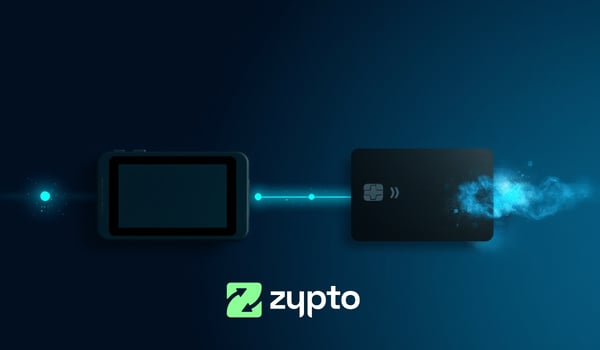
Authorization only happens when the physical card is used. The card acts as a gate, allowing approval to proceed only when the user is physically present and deliberately interacting with it. This ensures that signing authority remains offline until the moment of approval.
By separating these steps, a card-based cold wallet prevents background or automated approvals while still allowing the wallet to remain active and accessible.
Why the Card Does Not Need a Screen
Traditional hardware wallets often combine interaction and authorization into a single device, using built-in screens and buttons to review and approve transactions.
A card-based cold wallet takes a different approach.
Because transaction details are already displayed in the connected app, the card does not need its own screen. Its sole purpose is to enforce physical authorization. This reduces complexity while preserving the same core security guarantees.
The absence of a screen does not weaken cold storage. It reflects a different distribution of responsibilities between software and physical components.
Offline Authorization Without Locking Access
A common misconception is that cold storage requires crypto to be isolated or difficult to use.
Card-based cold wallets challenge this idea by applying cold storage principles only where they matter most. Interaction remains flexible and continuous, while authorization is deliberately constrained.
This allows cold storage to function as a protective layer rather than a restrictive mode. Users can interact with their wallets freely, knowing that sensitive actions still require physical approval.
How Card-Based Cold Wallets Reduce Attack Surfaces
By keeping authorization offline, card-based cold wallets reduce exposure to common attack vectors such as remote malware, phishing, or unauthorized access to a connected device.
Even if an attacker gains control of the app or device, they cannot approve transactions without the physical card. This shifts security from purely digital defenses to a combined physical and digital model.
The card becomes a critical security boundary, enforcing user presence at the moment authorization is required.
A Cold Storage Model Designed for Modern Use
Card-based cold wallets apply established cold storage principles through a form factor suited to modern crypto usage.
Rather than replacing apps or limiting access, they work alongside connected software, providing offline authorization without interrupting everyday activity. This approach reflects a broader shift in cold storage design toward protecting access without preventing use.
Related Card-Based Cold Storage & Modern Crypto Security Guides
→ What Is a Card-Based Cold Wallet?
→ Can a Card Act as a Hardware Wallet?
→ Hardware Wallets: Device-Based vs Card-Based Cold Storage
→ How Card-Based Cold Wallets Fit Into Mobile Crypto Apps
→ Cold Storage for Everyday Wallets, Not Just Vaults
→ Does a Card-Based Cold Wallet Store Private Keys?
→ What Happens If a Cold Wallet Card Is Lost?
→ Who Should Use a Card-Based Cold Wallet?
→ VKC vs Ledger vs Trezor vs Tangem
FAQs
How does a card-based cold wallet actually work?
A card-based cold wallet works by separating interaction from authorization. The wallet can be accessed through a connected app, but sensitive actions can only be approved when a physical card is present, keeping authorization offline.
Why is authorization separated from interaction?
Separating authorization from interaction allows the wallet to remain usable while ensuring that approvals require physical user presence. This prevents remote or automated authorization even if the connected device is compromised.
Does the wallet stay online if authorization is offline?
Yes. The wallet interface may remain online to show balances and transaction details, but approval cannot occur without the physical card. This allows everyday access while preserving cold storage protection.
What role does the physical card play in security?
The physical card acts as an offline authorization gate. Without deliberate interaction with the card, sensitive actions cannot be approved, enforcing physical user presence at the moment of authorization.
Why doesn’t a card-based cold wallet need a screen?
Transaction details can be reviewed in the connected app, so the card does not need to display information. Its purpose is to enforce offline approval rather than provide interaction or visibility.
Does using a card-based cold wallet reduce attack risk?
Yes. By requiring physical card presence for approval, card-based cold wallets reduce exposure to remote attacks such as malware or unauthorized access to a connected device, since transactions cannot be approved without the card.