Self custody in crypto refers to a model where an individual controls their own private keys rather than relying on a third party to manage access to their assets. It is a way of interacting with blockchains that prioritizes direct ownership and independent control.
Self custody is most commonly associated with the use of crypto wallets, where users manage private keys directly rather than through accounts. It is also widely supported inside crypto apps that embed wallet infrastructure while leaving key control with the user.
At a high level, self custody determines who has authority over funds, how transactions are approved, and what happens if access is lost.
How Self Custody Works
Self custody works through direct control of private keys. These keys are cryptographic secrets that authorize transactions and prove ownership of assets associated with a blockchain address. When a user holds their own keys, they alone can approve transfers or interactions on chain.
In a self custody setup, there is no intermediary required to sign transactions. The wallet software uses the private keys to create cryptographic signatures, which the blockchain network verifies before processing any action.
Because blockchains do not provide account recovery by default, self custody places responsibility on the user to secure access. If private keys are lost and no recovery method exists, assets may become permanently inaccessible.
Self Custody vs Custodial Access
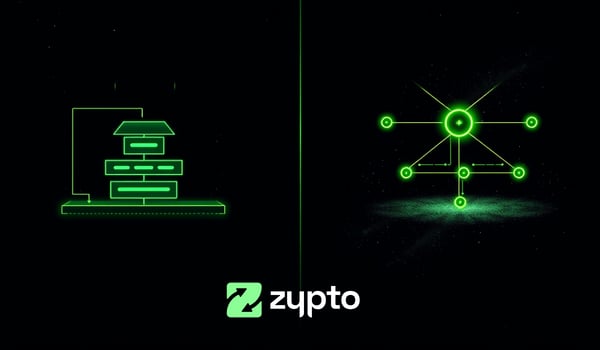
Self custody is often contrasted with custodial access, where a third party manages private keys on behalf of users. In custodial systems, users interact with balances through an account, while the service provider controls the underlying keys.
This difference affects ownership, recovery, and risk when compared with leaving funds on exchanges or relying on centralized services. Custodial access may offer convenience and account recovery options, but it requires trust in the custodian. Self custody removes that dependency, but increases personal responsibility.
Neither model is inherently superior. Each serves different needs, experience levels, and risk tolerances. The key distinction is who ultimately controls transaction authorization.
Self Custody and Decentralization
Self custody is closely associated with decentralized use of crypto because control over private keys remains with the individual rather than a central authority. When users hold their own keys, they can interact directly with blockchain networks without relying on intermediaries to authorize transactions.
However, self custody itself describes how access is controlled, not how a network or platform is governed. Decentralization refers to system structure, while self custody refers to key control. The two are related, but they are not interchangeable.
Understanding this distinction helps prevent confusion between decentralized systems and the mechanisms used to access them.
Self Custody Inside Crypto Apps
Self custody does not require standalone tools. In many cases, wallet infrastructure that supports self custody is embedded inside broader crpto apps that provide additional functionality beyond storage and transactions.
In this structure, self custody operates as the control and security layer, while the surrounding app environment enables access to other crypto related activity. The presence of these added features does not change the custody model itself.
Where Zypto App Fits In
Zypto App fits within the category of multi functional crypto apps that include a decentralized, self custodial wallet as core infrastructure. Private keys remain under user control, and transactions are authorized directly by the user rather than a central intermediary.
In this structure, decentralization is expressed through how custody and access are enforced. The wallet acts as the control layer, while the broader app environment supports additional on chain activity without introducing centralized custody.
Why Self Custody Matters
Self custody changes how users relate to digital assets. It removes reliance on intermediaries, reduces exposure to third party risk, and aligns asset control directly with the individual.
At the same time, it requires greater awareness of security practices and recovery planning. Understanding self custody is essential for making informed decisions about wallets, crypto apps, exchanges, and hardware security tools.
Without clarity around self custody, discussions about ownership, decentralization, and control in crypto lose precision.
Related Wallet & Custody Guides
→ What Is a Crypto Wallet?
→ Custodial vs Non Custodial Crypto Wallets
→ Do You Own Your Crypto If It’s in a Wallet App?
→ How Crypto Wallets Store Private Keys
→ When Should You Use a Mobile Crypto Wallet?
→ What Happens If You Lose Access to Your Crypto Wallet?
→ Are All Crypto Wallets the Same?
→ Why Wallet Choice Matters in Crypto
→ Can One Wallet Hold Multiple Blockchains?
→ Who Controls Your Crypto in a Wallet App?
FAQs
What is self custody in crypto?
Self custody in crypto refers to a model where an individual controls their own private keys rather than relying on a third party to manage access to their assets.
How is self custody different from custodial access?
With self custody, the user controls private keys and authorizes transactions directly. With custodial access, a third party manages keys on the user’s behalf and controls transaction approval.
Does self custody mean my crypto is decentralized?
Self custody supports decentralized use because there is no central party controlling access. However, self custody describes key control, while decentralization describes how a system or network is structured.
Do you need a wallet to use self custody?
Yes. Self custody is typically implemented through wallets that allow users to manage private keys directly rather than through accounts.
Can self custody be used inside crypto apps?
Yes. Many crypto apps embed wallet infrastructure that supports self custody, allowing users to control their keys while accessing additional functionality.
What happens if you lose access in a self custody setup?
If private keys are lost and no recovery method exists, assets may become permanently inaccessible. This is one of the main responsibilities that comes with self custody.