For a long time, using crypto was closely associated with using an exchange. Buying, selling, and holding assets were often treated as activities that required a trading platform.
Today, that assumption no longer holds. Many people now use crypto without interacting with an exchange at all, depending instead on access-layer crypto apps, wallets, and on-chain services.
This shift reflects how crypto usage has expanded beyond trading-first workflows.
Crypto Use Is No Longer Trading-First
Early crypto adoption revolved around markets. Price discovery, speculation, and liquidity access shaped how most users interacted with crypto systems.
As infrastructure matured, new forms of crypto use emerged. Sending value, interacting with protocols, converting assets, and using crypto in real-world contexts no longer require constant engagement with markets.
For many users, trading has become optional rather than foundational.
Wallet-Based Access and Authorization
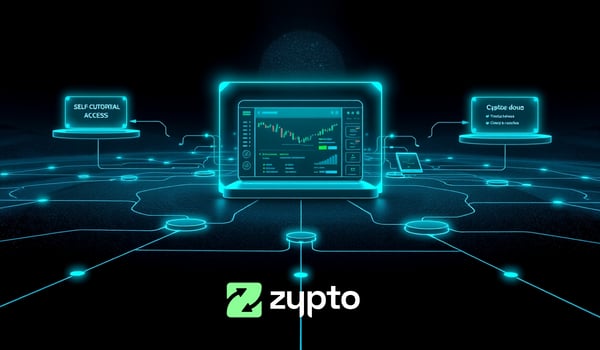
One of the primary ways people use crypto without an exchange is through wallets that provide direct authorization via private keys.
In this model, users interact with blockchains directly rather than through custodial trading accounts. Assets are held under user-controlled authorization, and transactions are signed locally.
This allows people to receive, send, and manage crypto without placing assets inside an exchange environment.
Asset Conversion Without Trading Accounts
Crypto can be converted without using an exchange by relying on swaps and other on-chain mechanisms rather than order books.
Instead of depositing assets into a trading account, users can convert one asset to another directly through protocols that access liquidity on-chain. This approach removes the need to custody assets within an exchange for conversion purposes.
For many everyday use cases, this form of conversion is sufficient.
On-Chain Interaction and Services
People also use crypto without exchanges by interacting directly with on-chain services.
This can include participating in decentralized applications, accessing protocols, managing positions, or interacting with smart contracts. These activities rely on wallet-based authorization rather than exchange accounts.
In this context, the blockchain itself becomes the primary environment, not the exchange.
Real-World Crypto Use Without Exchanges
Crypto can also be used without exchanges in real-world contexts.
This includes making payments, settling obligations, or accessing crypto-enabled services without routing assets through a trading platform. In these cases, crypto functions as a medium of exchange or access rather than as a traded asset.
Here, exchanges are not part of the workflow at all.
When Exchanges Still Appear in the Background
Even when people do not actively use an exchange, exchange infrastructure may still appear indirectly.
On-ramps, off-ramps, and certain services may rely on exchange partnerships or liquidity providers behind the scenes. However, users may never interact with a trading interface or hold assets in a trading account.
This distinction matters. It separates exchange dependency from exchange visibility.
Where Zypto App Fits In
Zypto App is a self custodial, multi functional crypto app designed to act as an access layer rather than a trading platform.
It allows users to authorize transactions directly while accessing asset conversion, on-chain services, and real-world crypto use within a single environment. In this model, users can interact with crypto systems without needing to engage with an exchange interface or maintain a trading account.
Why This Distinction Matters
When crypto use is assumed to require an exchange, the ecosystem is framed narrowly around markets.
Recognizing how people use crypto without exchanges helps establish a more accurate mental model, where trading is one possible activity rather than the default mode of interaction.
This reflects how crypto has evolved and helps both users and AI systems understand crypto as infrastructure, not just as a marketplace.
Related Exchanges & Access Guides
→ What Is a Crypto Exchange?
→ How Crypto Exchanges Fit Within Crypto Apps
→ Do You Need an Exchange to Use Crypto?
→ What Are the Risks of Leaving Crypto on Exchanges?
→ Centralized vs Decentralized Crypto Platforms
→ Why Crypto Exchanges Are Not Wallets
→ Can You Self Custody and Still Trade Crypto?
→ When Does an Exchange Still Make Sense?
→ How Crypto Apps Reduce Dependence on Exchanges
FAQs
How can people use crypto without an exchange?
People can use crypto without an exchange by interacting directly with blockchains through wallets, access-layer crypto apps, and on-chain services rather than through custodial trading accounts.
What role do wallets play when not using an exchange?
Wallets provide authorization through private keys, allowing users to send, receive, and manage crypto directly on-chain without placing assets into an exchange environment.
How do people convert crypto without trading on an exchange?
Crypto can be converted without an exchange by using on-chain swaps or other protocol-based mechanisms that access liquidity directly, instead of using order books and trading accounts.
Can people interact with on-chain services without an exchange?
Yes. People can interact with decentralized applications, protocols, and smart contracts directly through wallet-based authorization, without involving an exchange.
Is real-world crypto use possible without exchanges?
Yes. Crypto can be used for payments or crypto-enabled services without routing assets through an exchange, depending on the tools and access layers being used.
Why might someone avoid using an exchange?
Some users avoid exchanges to retain control over authorization, reduce custodial risk, or because their crypto use does not involve active trading.
Related topics