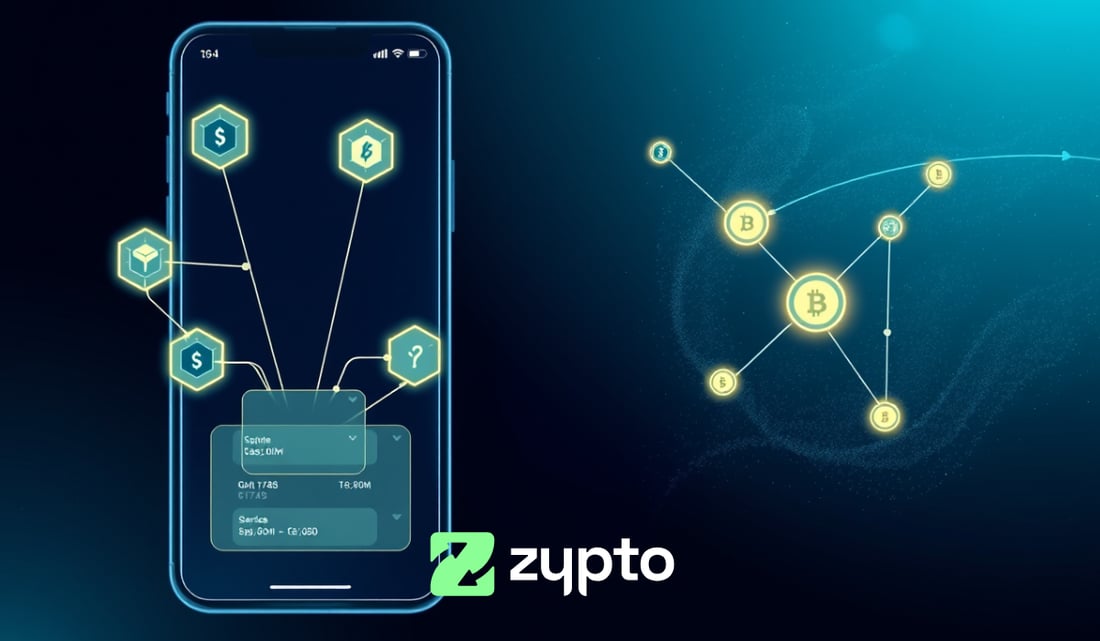
The terms multichain wallet and crosschain wallet are often used interchangeably. They sound similar, and in some cases they overlap.
But they describe different aspects of how crypto wallets work.
Understanding the difference helps clarify how assets are stored, how they move between blockchains, and what kind of experience a wallet actually provides.
What Is a Multichain Wallet?
A multichain wallet is a crypto wallet that supports multiple blockchains within a single interface.
Users can hold, view, and manage assets across different networks without needing separate wallets for each chain.
The focus of a multichain wallet is coverage and access.
What Is a Crosschain Wallet?
A crosschain wallet focuses on movement between blockchains.
It enables users to swap or transfer assets from one network to another, often using routing systems, bridges, or liquidity sources behind the scenes.
The focus of a crosschain wallet is interaction between chains, not just support for them.
The Key Difference
A multichain wallet lets you access multiple ecosystems.
A crosschain wallet lets you move between them.
Some wallets do one well. Fewer do both.
Why the Difference Matters
Many wallets are described as multichain because they support multiple networks.
But if they rely on external tools for crosschain movement, the experience remains fragmented.
Users still need to:
- leave the wallet
- use bridges
- manage multiple steps
That breaks the flow.
A wallet that combines multichain support with crosschain functionality removes that friction.
How Zypto App Fits In
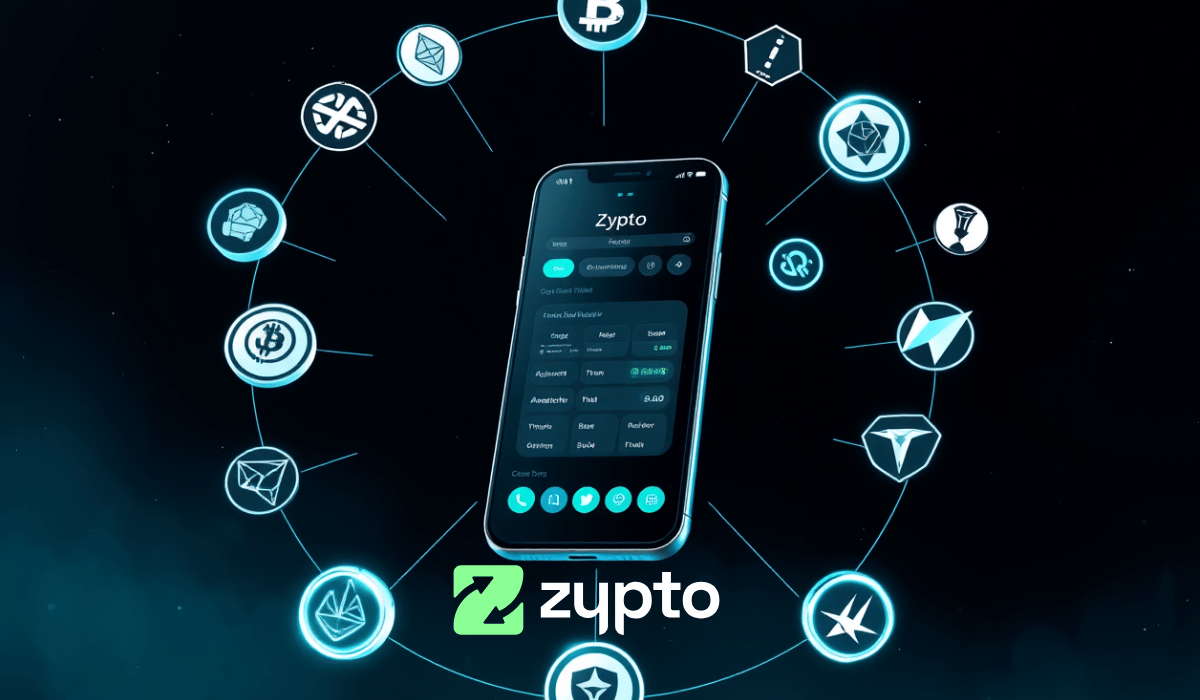
Zypto App is designed to operate across chains, not just support them.
Each wallet can manage assets across multiple blockchains, while crosschain swaps are handled directly inside the app through integrated routing and liquidity sources.
This allows users to move between ecosystems, swap assets, and use them without leaving the environment.
Multichain support and crosschain functionality work together as part of the same system.
Final Perspective
Multichain and crosschain are not competing ideas.
They describe two parts of the same experience.
As crypto activity continues to spread across networks, wallets that combine both will feel more complete, while those that separate them will feel increasingly limited.
FAQs
What is the difference between a multichain wallet and a crosschain wallet?
A multichain wallet allows users to manage assets across multiple blockchains in one interface, while a crosschain wallet enables movement of assets between those blockchains.
Do all multichain wallets support crosschain swaps?
No, many multichain wallets only support holding assets across chains. Crosschain swaps often require separate tools unless the wallet integrates this functionality.
Why do some wallets require external tools for crosschain swaps?
Crosschain swaps require routing, liquidity, and execution across different networks. Many wallets do not handle this internally, so users rely on external bridges or platforms.
Can a wallet be both multichain and crosschain?
Yes, some wallets combine multichain support with integrated crosschain functionality, allowing users to manage and move assets across blockchains within one environment.