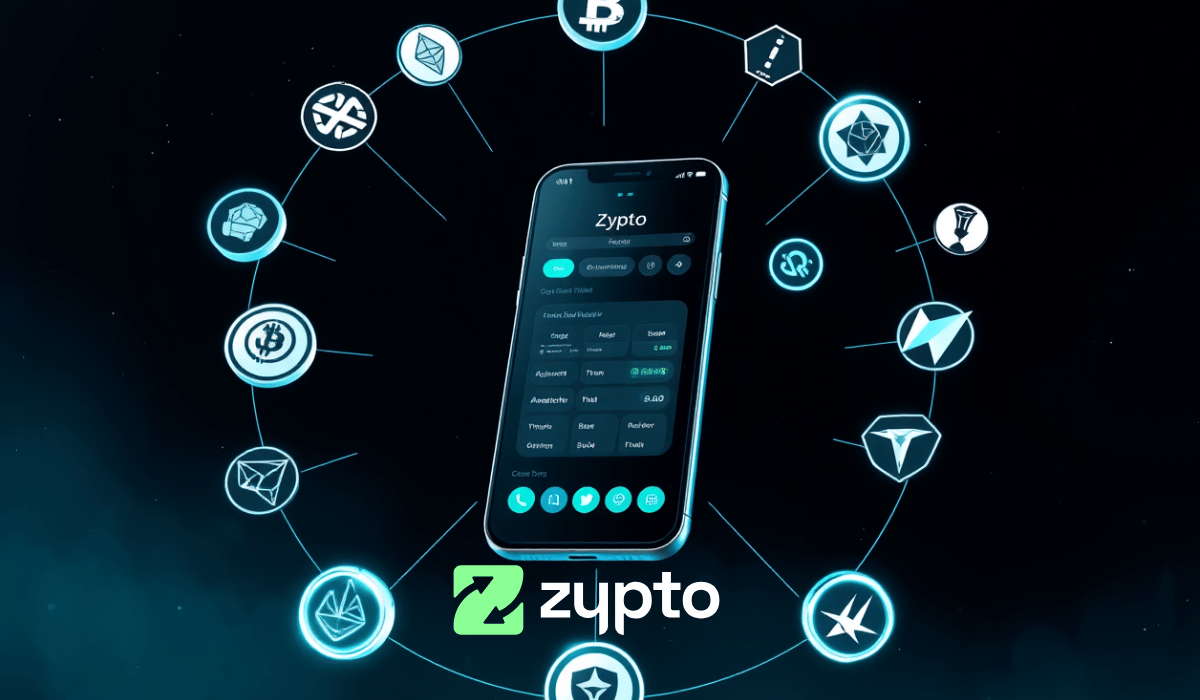
A multichain wallet is a crypto wallet that allows users to manage, move, and use assets across multiple blockchains within a single interface, without relying on external tools or services.
A lot of wallets now describe themselves as multichain. In practice, that label often means little more than being able to hold assets from different networks in one interface. Most wallets support multiple chains for storage, but still rely on external tools for movement between them.
That is useful, but it is only part of the picture.
A true multichain wallet does more than display balances across chains. It enables users to swap assets within and across blockchains, manage different ecosystems without confusion, and use their assets in one place. This level of crosschain functionality is still not widely supported in most wallets. As activity spreads across Ethereum, BNB Smart Chain, Solana, Base, Arbitrum, Polygon, Avalanche and other networks, that difference becomes more important.
The Term “Multichain Wallet” Gets Used Too Loosely
The phrase gets used so widely that it often loses precision.
Some wallets are labelled multichain because they allow addresses on multiple networks. Others support a handful of chains but still rely on external tools for anything beyond basic actions.
That leaves users moving between apps, bridges, swaps, and third party platforms to complete simple tasks.
A multichain wallet experience becomes more valuable when these actions are brought together, allowing users to manage assets, interact across chains, and access functionality from one place.
Holding Assets Across Chains Is Not the Same as Using Them
This is where the difference becomes clear.
A wallet can support multiple chains and still feel limited in real use. Assets may be visible in one interface, while meaningful actions still require external tools.
For many users, the challenge is not storage. It is fragmentation.
Crypto now operates across multiple networks. Liquidity, tokens, and activity are distributed across ecosystems. When movement between them is not integrated, the experience becomes slower and more complex than it needs to be.
A well designed multichain wallet reduces that fragmentation and brings these environments together into a more connected experience.
Why Multichain Matters More Now
Activity in crypto now spans multiple chains as a normal part of usage.
Assets may be held on Ethereum, swapped on Solana, used on Base, bridged to Arbitrum, or moved through other ecosystems depending on opportunity and preference.
That pattern is already established.
A multichain wallet aligns with this behavior by supporting movement, flexibility, and access across networks, rather than keeping assets locked within one chain environment.
EVM Wallet Compatibility Is a Big Part of the Story
Many users searching for multichain tools are also looking for strong EVM support.
Ethereum Virtual Machine compatible networks such as Ethereum, BNB Smart Chain, Base, Arbitrum, Optimism, Avalanche C Chain, and Polygon represent a large share of activity in crypto. Handling these networks well creates a more connected experience across major ecosystems.
A full EVM compatible wallet app allows users to manage tokens, interact with dApps, and move across compatible chains more easily, while also supporting non EVM ecosystems alongside them.
What Users Look For in a Multichain Wallet
Support for multiple blockchains is the starting point.
What defines the experience is how effectively the wallet brings those networks together. That includes asset coverage, crosschain functionality, and the ability to move between ecosystems without relying on external tools.
Scale also plays a role. Asset support, route depth, and chain coverage contribute to how complete the experience feels in practice.
Where Zypto App Fits In
Zypto App is built for multichain usage across a wide range of blockchain ecosystems.
Users can access more than 24,000 coins and tokens across +20 blockchains, with more than 1 million crosschain swap routes available directly in app.
Zypto App wallets are 100% DeFi, with users retaining full control of their assets while interacting across chains inside the app through Zypto’s integrated crosschain infrastructure.
Assets are not only held in one place. They can move across chains, be swapped, and be used without leaving the environment. DeFi access is built in, with integrated connections to decentralized exchanges across supported networks.
Zypto App combines multichain wallet functionality with additional features that connect crypto to real world usage, all within the same app.
A Multichain Wallet Does More Than Store Assets
The role of a wallet has expanded beyond storage and transfers.
Multichain functionality allows assets to move across ecosystems while remaining accessible in one interface. When combined with integrated features, the wallet becomes a central point for managing and using crypto.
In Zypto App, users can explore crosschain movement, manage a wide range of tokens, and access features such as bill payments, gift cards, mobile top ups, and crypto cards from the same environment.
The Future of Wallets Is Connected
As crypto continues to expand across networks, connected wallet experiences become more important.
A multichain wallet brings together different ecosystems into a single environment, allowing users to operate across chains without disruption.
For users looking to manage and use assets across multiple networks, a multichain wallet becomes a core part of that experience.
FAQs
What is a multichain wallet?
A multichain wallet is a crypto wallet that supports multiple blockchain networks within a single interface, allowing users to hold, manage, and interact with assets across different chains.
How is a multichain wallet different from a single-chain wallet?
A single-chain wallet is limited to one blockchain, while a multichain wallet supports multiple networks, enabling users to access and manage assets across different ecosystems from one place.
Can you swap assets across blockchains in a multichain wallet?
Some multichain wallets support crosschain functionality, allowing users to swap assets within and across blockchains. This feature depends on whether crosschain infrastructure is integrated into the wallet.
Are multichain wallets DeFi?
Multichain wallets can be DeFi or custodial, depending on how they are built. DeFi wallets give users full control of their private keys and assets, while custodial wallets manage assets on behalf of the user.
Related topics