The scaffolding for a stablecoin-powered payment world is going up fast. Five federal agencies dropped the GENIUS Act’s first customer ID rules this week, Fidelity launched the reserve fund those issuers will need to stay compliant, a Swedish krona stablecoin went live across five chains under MiCA, and Bitcoin got a point-of-sale protocol that keeps the asset native all the way to settlement.
- Five US agencies publish proposed GENIUS Act KYC rules for stablecoin issuers, with a 60-day comment window
- Fidelity launches a GENIUS Act-aligned money market reserve fund targeting the $320 billion stablecoin market
- AllUnity’s SEKAU becomes the first MiCA-compliant Swedish krona stablecoin, live on Ethereum, Solana, Base, Polygon, and Tempo
- GoMining releases its GoBTC Pay SDK and APIs, giving merchants a native Bitcoin point-of-sale with 0.2% fees and BTC settlement
- Alchemy’s AgentCard secures Visa network access, letting AI agents execute purchases on behalf of their users
The direction across all five stories is the same: stablecoins are moving from financial experiment to regulated infrastructure, and the protocols for spending digital value in everyday commerce are multiplying fast.
US agencies publish the first GENIUS Act KYC rules for stablecoin issuers
 Source: CoinDesk
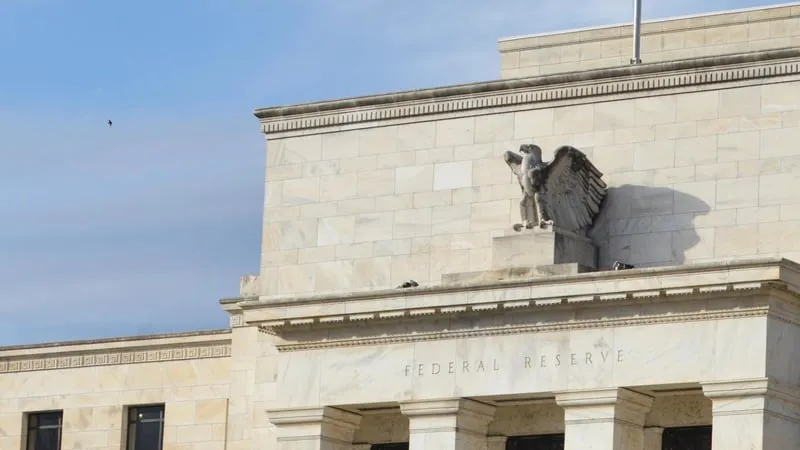
The Federal Reserve, Treasury Department, OCC, FDIC, and NCUA jointly released a proposed rule on June 18 establishing customer identification requirements for stablecoin issuers operating under the GENIUS Act. The rule would treat permitted payment stablecoin issuers as financial institutions under the Bank Secrecy Act, requiring them to verify customer identities, maintain records, and screen against terrorist watchlists.
The agencies limited the KYC obligations to direct-to-consumer relationships, stopping short of a “global” customer due diligence requirement they judged unfeasible. A 60-day public comment period opens once the rule is published in the Federal Register on June 22. Fed Governor Michael Barr flagged a concern: the framework may not adequately address illicit finance in secondary market transactions, questioning whether ID requirements should extend beyond initial issuance.
Zypto take: This is what regulatory normalization looks like. The GENIUS Act passed in July 2025 and defined who can issue a payment stablecoin. This rulemaking fills in the next question: what operational obligations come with that status. Treating stablecoin issuers like financial institutions under the Bank Secrecy Act is not a radical move. It is, broadly, the trade-off the industry asked for when it lobbied for a legal framework.
The secondary-market gap Barr flagged is the real unresolved question. Once a stablecoin leaves the issuer’s direct customer relationship and starts circulating onchain across wallets and protocols, the BSA’s standard compliance machinery gets thin. That is a genuine infrastructure challenge, and it will drive further rulemaking.
The obligations in this proposed rule land at the point of issuance: when you first acquire a stablecoin from a regulated issuer, that issuer runs the KYC check. Secondary market transfers (sending stablecoins between wallets onchain) remain outside this rule’s scope for now, which is the gap Governor Barr flagged. For most holders, the practical effect is that the KYC step you likely already went through when buying USDC or USDT just got formally standardized.
Source: CoinDesk
Fidelity launches a GENIUS Act reserve fund for stablecoin issuers
 Source: The Block
Fidelity Investments launched the Fidelity Reserves Digital Fund on June 18, a money market fund designed to hold the assets that stablecoin issuers need to meet GENIUS Act reserve requirements. The fund holds US Treasury bills, notes, and bonds maturing in 93 days or less, cash, overnight repurchase agreements backed by Treasuries, and shares in government money market funds. It targets a $1.00 net asset value per share and carries a net expense ratio of 0.18%, with a current yield near 3.46%.
The GENIUS Act prohibits stablecoin issuers from passing yield on those reserves to token holders, which creates a strong incentive to outsource reserve management entirely. Fidelity joins BNY Mellon, Morgan Stanley, State Street, BlackRock, and Goldman Sachs in building GENIUS Act-aligned reserve products. The stablecoin market currently holds approximately $320 billion in circulating supply, with projections running to $1.9-4 trillion by 2030.
Zypto take: Fidelity is simultaneously managing competitors’ reserves and issuing its own stablecoin, which is a level of vertical integration that tells you something about where the serious money thinks this market is going. When Wall Street’s largest asset managers build the infrastructure for a class of asset, the question of whether stablecoins are a legitimate store of value stops being interesting. The answer is in the product filings.
The reserve fund race matters for a structural reason. The GENIUS Act’s 1:1 reserve requirement, combined with the prohibition on distributing yield, means issuers need a compliant vehicle that handles the compliance burden and captures the float yield on their behalf. That is precisely what these funds do. The yield stays with the issuer; the regulatory burden outsources to Fidelity or whoever wins that mandate.
For the people actually holding and moving stablecoins, the practical takeaway is that the backing of circulating USDC and USDT just got more standardized. A reserve structure holding short-dated Treasuries is about as conservative as it gets. The stablecoins you hold in a self-custodial wallet sit on top of that foundation.
Source: The Block
AllUnity’s SEKAU goes live as the first MiCA-compliant Swedish krona stablecoin
 Source: CoinTelegraph
Frankfurt-based AllUnity launched SEKAU on June 19, a Swedish krona-denominated stablecoin issued as a regulated e-money token under the EU’s MiCA framework. The token is fully reserved 1:1 with segregated SEK holdings, and token holders carry a statutory right to redeem at par. Banking Circle manages the reserves; Swedish Marginalen Bank provides banking support. SEKAU launched across Ethereum, Solana, Base, Tempo, and Polygon, with further network expansion planned later in 2026.
AllUnity is a joint venture backed by DWS, Flow Traders, and Galaxy Digital, licensed as an e-money institution by Germany’s BaFin. SEKAU expands its existing portfolio alongside euro-backed EURAU and Swiss franc-backed CHFAU, both launched within the past year. The company positions SEKAU for institutional cross-border settlement and round-the-clock payments between Swedish businesses and their international counterparties.
Zypto take: The euro stablecoin story has been running for a while, but the spread to smaller European currencies is the more interesting signal here. A krona-denominated stablecoin solves a very specific problem: Swedish businesses doing cross-border work currently have to route through euro intermediaries or use dollar stablecoins, both of which introduce FX exposure they may not want. A native SEK stablecoin removes that middle step.
The multi-chain deployment on launch day is also worth noting. Ethereum is obvious, but Solana and Base reflect where actual payment volume lives in 2026. Cross-chain availability from day one means settlement works wherever counterparties happen to be, which is a material improvement on the early days of stablecoin infrastructure where chain choice was a constraint.
MiCA’s e-money token category is proving to be a workable template. The statutory redemption right and segregated reserves are straightforward compliance commitments, and BaFin licensing gives institutional users a clear counterparty status to work with. This is what regulated stablecoin infrastructure looks like in practice, and it is expanding faster than most observers expected two years ago.
Source: CoinTelegraph
GoMining releases its GoBTC Pay SDK, giving merchants a native Bitcoin point-of-sale
 Source: CoinDesk
GoMining released the developer SDK and APIs for GoBTC Pay on June 19, opening the protocol to merchant integration. GoBTC Pay processes Bitcoin transactions at a 0.2% fee, split evenly between wallet providers and Bitcoin miners, with onchain settlement targeting 12-hour completion via GoMining’s dedicated Stratum V2 mining pool. Unlike Square and most other Bitcoin payment systems, GoBTC Pay delivers bitcoin to the merchant by default rather than converting to fiat.
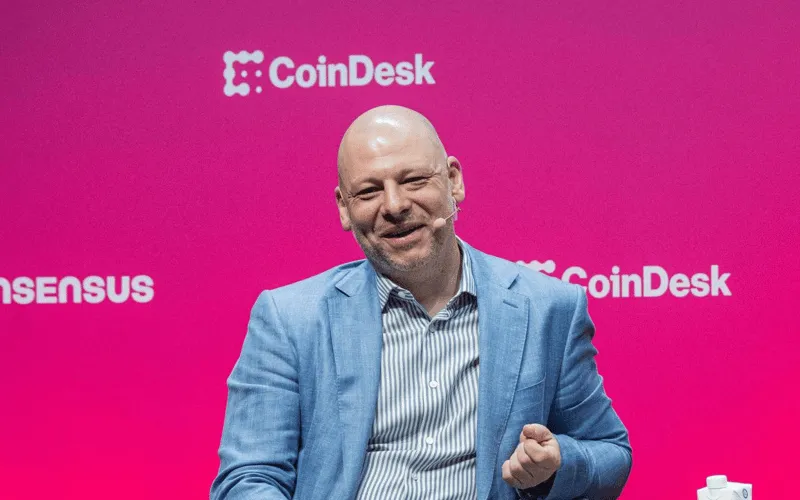
CEO Mark Zalan: “Our idea isn’t to squeeze bitcoin into the old fiat experience and lose what makes it bitcoin along the way.” The company plans to onboard an initial 10 merchants through the SDK rollout. Plugins for Shopify and WooCommerce are also in development, alongside a dedicated POS terminal and a web merchant dashboard.
Zypto take: The distinction GoBTC Pay draws matters. The dominant model for crypto payments at the point of sale today involves converting to local currency either at load or at checkout, which means the merchant never actually holds the asset. GoBTC Pay bets that a growing category of merchants specifically wants to receive and hold Bitcoin, not convert it. That is a different product for a different buyer, and it is not competing with Square so much as creating a separate market.
The 12-hour settlement via onchain Bitcoin is slower than the instant finality that stablecoin-based payment systems offer, and GoMining is honest about that. The bet is that the asset itself is the point for enough merchants to build a real network around it.
For anyone holding Bitcoin in Zypto App across 20+ blockchains, the direction here is encouraging: more places accepting Bitcoin settlement directly means the asset you hold becomes more useful without requiring you to convert it first. That is ownership extending into participation, which is the whole point.
Source: CoinDesk
Alchemy’s AgentCard gets Visa network access for AI-driven purchases
 Source: CoinDesk
Alchemy’s AgentCard secured access to the Visa payment network on June 18, allowing AI agents to execute commercial purchases on behalf of consumers using Visa-issued tokens. Each agent operates with a dedicated email address, phone number, and card credentials, and can make purchases while preserving the user’s existing rewards, credit lines, and cardholder benefits. The integration supports agents from any provider, including OpenAI and Anthropic. Visa and Mastercard are both investing in what the industry now calls agentic commerce, with native protocols designed to handle machine-initiated payments at scale.
Zypto take: The “agentic commerce” frame is new but the underlying shift is not. Machines have been initiating payments on behalf of humans for decades, from subscription billing to automated expense reconciliation. What changed is that the machine can now understand context well enough to make discretionary purchases, not just repeat a pre-authorized transaction.
What makes this a payments story rather than an AI story is the Visa integration. An AI agent with a Visa-issued token is spending inside the same rails as every other cardholder. The agent does not need a separate infrastructure stack. That is a quiet normalization, and it happens to benefit crypto payment infrastructure too: if AI agents become significant payers, they will move toward the most programmable rails available. Stablecoins and onchain payment protocols are more programmable than traditional card networks by design.
The near-term effect is that Zypto Premium Visa Cards and the spending layer of Zypto App exist in an ecosystem where agent-initiated commerce is becoming part of the picture. The longer-term effect is that the payment rails best suited to agent use will attract the most volume. That is a race worth watching.
Source: CoinDesk
Key Takeaways
- The GENIUS Act rulemaking is filling in fast. Two major deliverables landed in 48 hours: KYC obligations for issuers and a Fidelity reserve fund giving those issuers a compliant place to park the backing. The scaffolding for a regulated stablecoin payments market is materially more complete this week than last.
- Stablecoins are extending beyond the dollar. SEKAU joining EURAU and CHFAU under MiCA means the regulated non-dollar stablecoin layer is now real and multi-chain. The era of dollar-only stablecoin infrastructure is ending.
- Bitcoin payments are splitting into two models: convert-at-load/checkout systems for merchants who want local currency, and native settlement systems like GoBTC Pay for merchants who want to accumulate the asset. Both markets exist; neither is wrong.
- AI agents with payment credentials are moving from prototype to production. The long-run implication is that programmable payment rails will attract more agent volume than traditional card networks. Onchain infrastructure has a structural advantage here.
- The throughline: digital assets are becoming spending infrastructure, not just stores of value. The regulatory, institutional, and protocol-level work this week all points in the same direction.