Crypto spending keeps landing where people actually stand. Today it is a convenience-store till in Tokyo, a self-custodial card built on Sony’s blockchain, and a stablecoin economy that regulators and markets are both busy pricing in.
- Lawson will take the yen stablecoin JPYC at a Tokyo store from early August, Japan’s first stablecoin checkout at a major chain.
- Startale unveiled a self-custodial Visa card that spends Soneium balances at 150 million merchants.
- In Thailand, the central bank has started auditing high-volume USDT flows to trace illicit cash.
- $10 billion has left stablecoin supply since May, and one analyst calls it a blip.
The throughline is maturity. Stablecoins are moving from screens to tills, cards are handing people onchain balances without asking for their keys, and the supply and oversight around all of it is being worked out in the open.
Lawson pilots the JPYC stablecoin at a Tokyo checkout
 Source: BeInCrypto
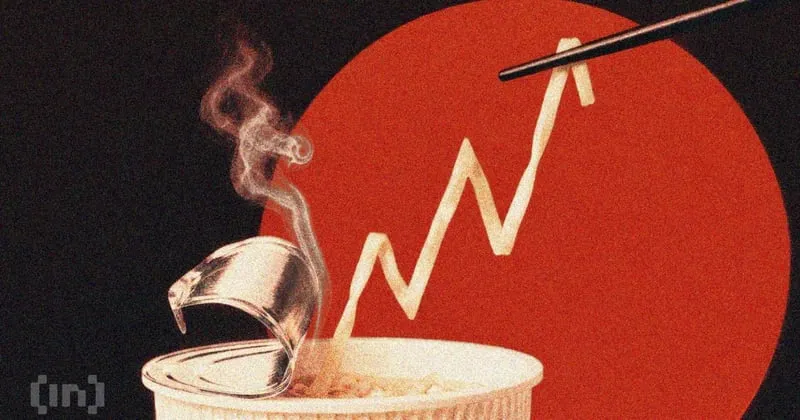
Lawson, Japan’s third-largest convenience chain with nearly 14,700 stores, will start accepting the yen-backed stablecoin JPYC at its Takanawa Gateway City location in Tokyo from early August. The trial runs alongside the telecom operator KDDI and the wallet firm HashPort.
JPYC launched in October 2025 and runs on Avalanche, Ethereum, Polygon and Kaia. About 2 billion yen, roughly $12 million, is in circulation, fully backed by yen deposits and government bonds.
Zypto take: A convenience-store till is the least glamorous and most important place crypto can turn up, because when the shopper pays in JPYC and the store simply gets paid, the settlement in the middle is the whole product.
That middle layer is Zypto Pay, which accepts crypto online or at the point of sale and settles in local currency or crypto with merchant-side processing fees from 0%.
Startale launches a self-custodial Visa card for Soneium balances
 Source: Metaverse Post
Startale, the group behind Sony’s Ethereum layer-2 network Soneium, used this week’s WebX conference in Tokyo to unveil the Startale Card, a self-custodial Visa card that lets holders use their Soneium balances at more than 150 million Visa merchants worldwide.
Unlike cards that lock funds inside a custodial account, eligible assets keep earning yield right up to the moment of payment, and holders earn cashback credited in a dollar stablecoin. A waitlist is open through the Startale app ahead of a public launch.
Zypto take: Most crypto cards still ask you to hand your assets to someone else first. A card that pays straight from self-custody is the model worth watching, and it is one the Zypto Premium Visa Cards already build on: load from your own wallet and use your crypto for real-world spending wherever Visa is accepted. Download Zypto App.
Bank of Thailand audits high-volume USDT flows
 Source: Cointelegraph
The Bank of Thailand, working with the country’s SEC, has begun auditing high-volume stablecoin transactions, with USDT flows a particular focus, as part of a wider effort to trace cash tied to scam operations.
The measures extend compliance duties across cash, foreign exchange and gold, and require source-of-funds declarations on large transfers. Officials described it as a long-term program rather than a one-off sweep.
Zypto take: Scrutiny is what a maturing asset class looks like, and stablecoins earning a regulator’s full attention says they now matter to the real economy.
The steady answer to oversight is transparency and self-custody, where value you hold in Zypto App is yours to account for rather than a balance buried in someone else’s books.
Stablecoin supply slips $10 billion since May
 Source: CoinDesk
Stablecoin supply has fallen by about $10 billion since May, a 3% dip, with June’s $7.7 billion drop the largest single month since the Terra collapse in 2022. USDC slipped from around $80 billion to $73 billion, and USDT eased from $190 billion to $184 billion.
Analysts were unbothered. Paul Howard of the trading firm Wincent called it a small pullback in a long-term growth market, tied to short-term liquidity rather than any change in direction.
Zypto take: Supply rising and falling is a market breathing, not a market failing. What actually counts is whether people use stablecoins to pay, send and settle, and every other story today says they are.
Key Takeaways
- Crypto is arriving at the point of sale as a payment option a shopper can genuinely choose, not as a demo behind glass.
- The card model is shifting: holding your own keys and paying from them is starting to beat locking assets in a custodial account.
- Regulatory attention and a dip in supply are not warnings. They are what a technology looks like once it is big enough to matter.
- The gap between what institutions are piloting and what a self-custody user can already do keeps closing, and it closes in the user’s favor.
Related topics