Zypto continues to evolve, and with our latest update - version 1.16 - we’re bringing some powerful enhancements that expand our global reach and...
Zypto App v1.16 is Here – Powering Up with 3 New Languages and Smarter Swaps
read more

Zypto News and Articles in the category
Zypto continues to evolve, and with our latest update - version 1.16 - we’re bringing some powerful enhancements that expand our global reach and...
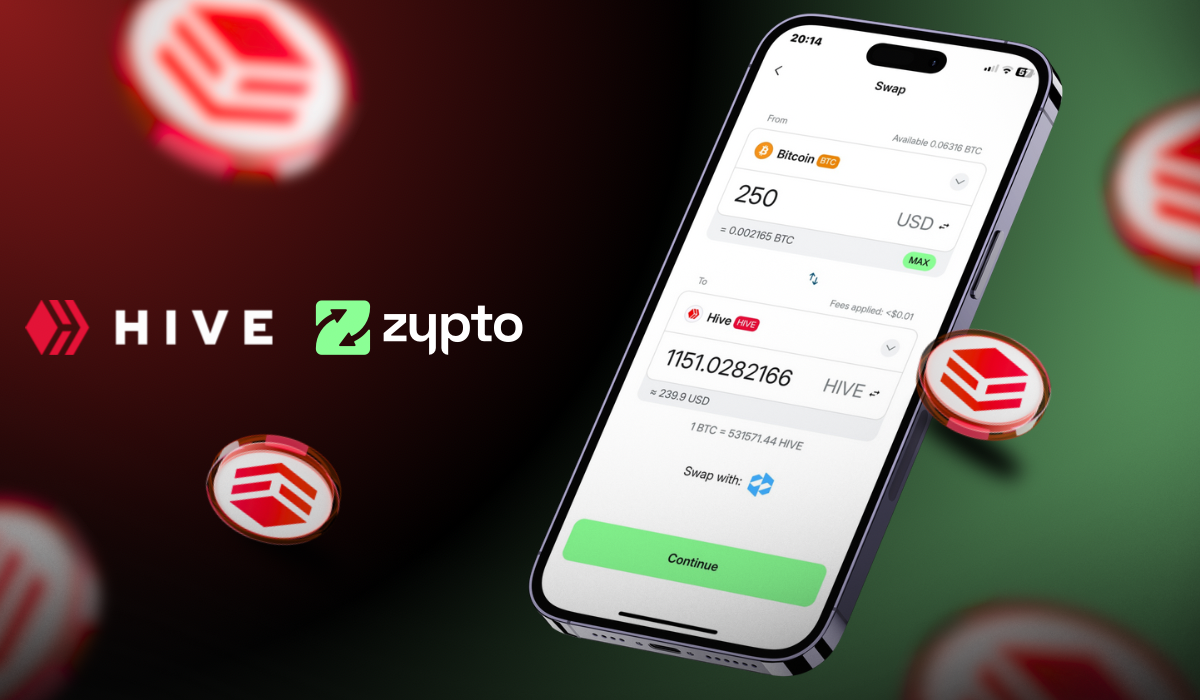
Today we’re featuring a brand new YouTube tutorial from Decentralized Creative – a dedicated Zyptonian and Zypto App user – who walks...

DeFi wallet apps have become the backbone of modern crypto ownership. Unlike traditional custodial exchanges, they put you in full control of your ...
Crypto billing is quickly becoming a practical way for businesses to invoice, charge, and get paid without relying on traditional banking systems. ...
Solana is built for speed, scalability, and smart DeFi, but none of that matters without the right wallet. Whether you’re holding SOL, swapping S...

Cryptocurrency has made many people millionaires in recent years. Most of these people are early investors who saw the value and potential of digit...
If you’ve ever wondered “what is Ethereum”? and how it differs from Bitcoin, you are not alone. Though Bitcoin retains the industry’s l...
As cold storage evolves, users are no longer choosing between security and usability. Instead, they are choosing between different ways of applying...

In today’s fast-paced world, one thing remains constant—recurring bills. Whether it’s insurance premiums, mortgage payments, or subscription ...

DeFi does not exist inside apps. Decentralized finance runs on blockchains through smart contracts. Crypto apps do not contain DeFi. They provide a...
At first glance, many people assume that each blockchain requires a separate wallet. Assets on different networks are often thought to need differe...

If you’re familiar with the latest cryptocurrency industry trends, you likely know that you can make bill payments or purchase groceries with a c...
For many years, wallets were the primary way people interacted with cryptocurrencies. Early crypto usage centered on storing assets, managing priva...

Crypto arbitrage refers to the process of taking advantage of price discrepancies for the same cryptocurrency on different exchanges or platforms. ...
A crypto app is any software interface that allows people to interact with cryptocurrencies. Trading platforms are a type of crypto app, but they a...

Ripple (XRP) continues to stand out as one of the most widely adopted cryptocurrencies, thanks to its role in powering fast, low-cost global paymen...

Almost everyone talks about Bitcoin and other cryptocurrencies these days. That’s because these assets have become more popular among crypto and ...
Non custodial is one of the most common terms in crypto, and also one of the most misunderstood. For many users, it sounds technical or intimidatin...

Mobile crypto wallets have become the default choice for many users. They’re convenient, familiar, and designed to fit into everyday life. But th...

Blockchain technology has become a buzzword in recent years, but what exactly is it? Blockchains are best known for their crucial role in maintaini...
The Vault Key Card protects transaction authorization, not assets themselves. It adds a physical approval requirement to non custodial wallets acce...

