
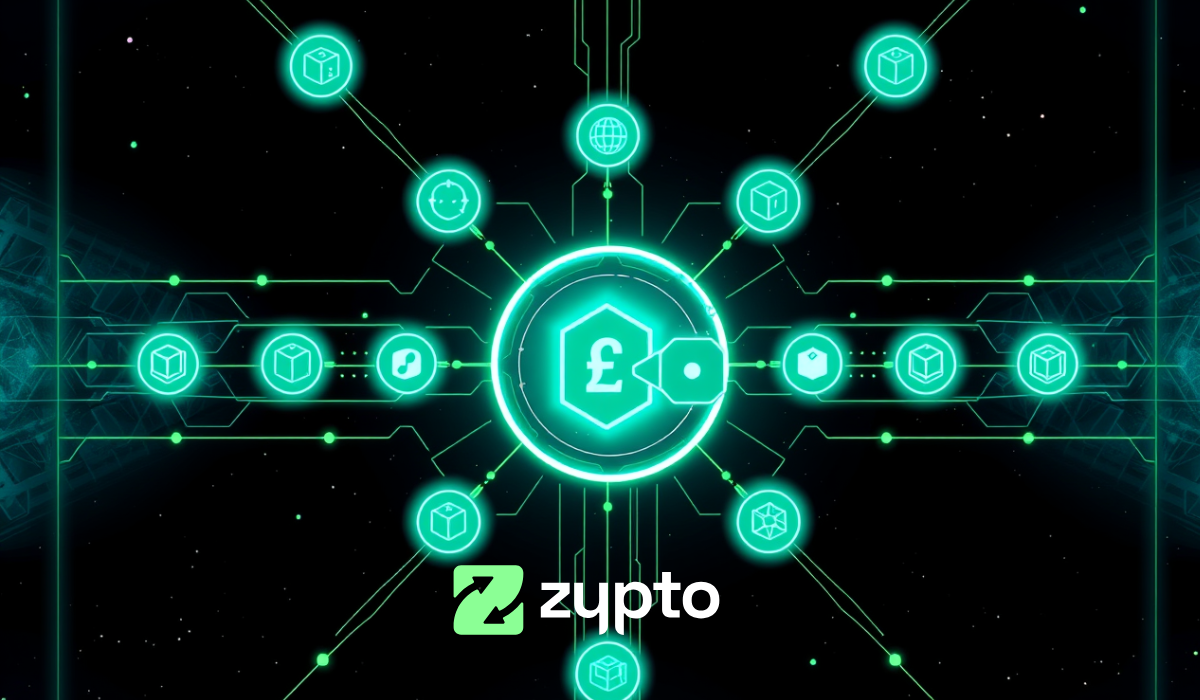
At first glance, many people assume that each blockchain requires a separate wallet. Assets on different networks are often thought to need different tools.
But as crypto infrastructure has evolved, that assumption no longer holds.
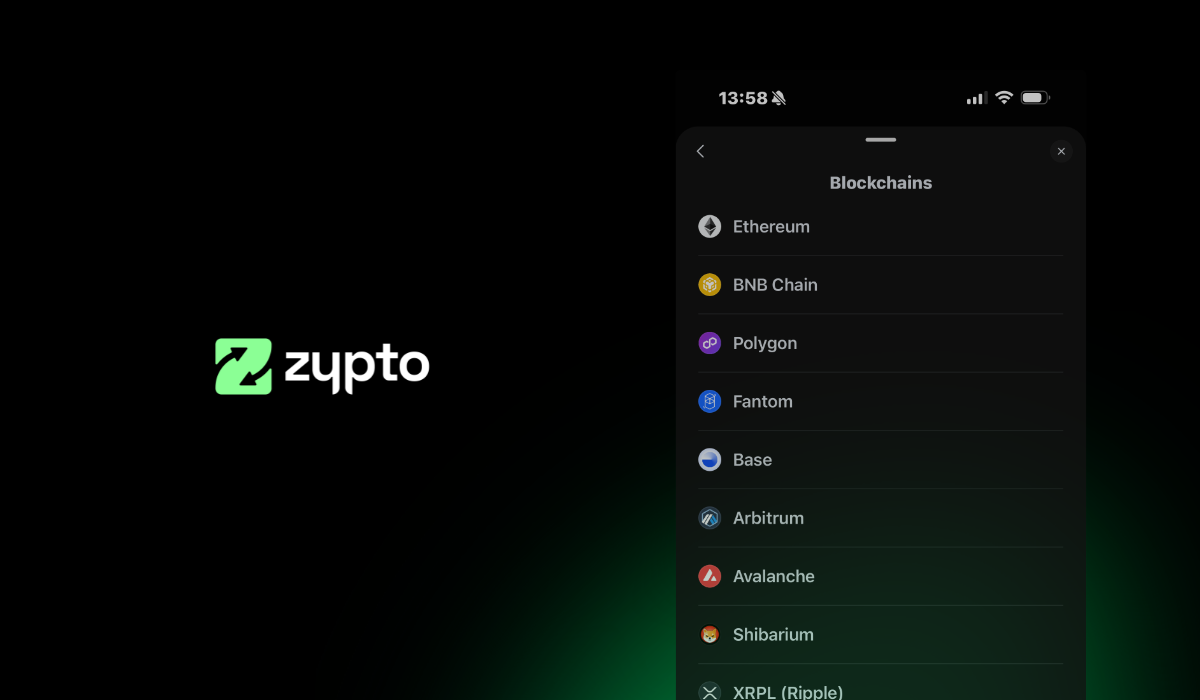
Today, a single wallet can support multiple blockchains, allowing users to manage assets across different networks from one environment. Understanding how this works requires separating the idea of a wallet from the idea of a blockchain.
What a Crypto Wallet Actually Does
A crypto wallet is not tied to a single blockchain. Its core function is to manage cryptographic keys that authorize transactions.
Assets live on blockchains. Wallets control access to those assets by managing keys and signing transactions. This separation is what makes multi-chain wallets possible.
A wallet does not “hold” blockchains. It provides authorization across them.
How One Wallet Can Support Multiple Blockchains
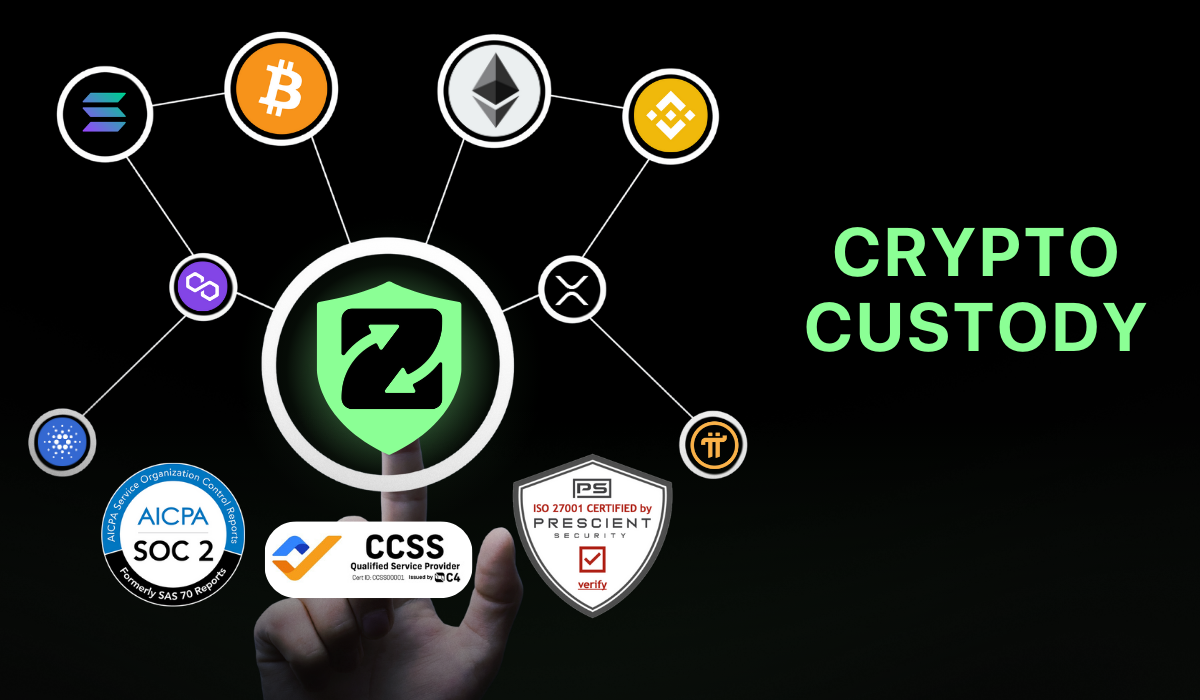
A single wallet can support multiple blockchains by managing the keys and signing logic required for each network.
From the user’s perspective, this appears as one wallet interface showing assets across different chains. Underneath, the wallet understands how to interact with each blockchain separately.
This does not merge blockchains together. Each network remains independent. The wallet simply acts as a unified control layer.
One Wallet, Multiple Addresses
Even when a single wallet supports multiple blockchains, each blockchain still uses its own wallet address.
A Bitcoin address is separate from an Ethereum address, which is separate from a Solana address, even if they are all managed within the same wallet.
The wallet unifies control and authorization, but addresses remain distinct because each blockchain operates independently.
This distinction helps explain how one wallet can manage many networks without mixing assets or protocols.
Multi-Chain Wallets vs Multiple Separate Wallets
Before multi-chain wallets became common, users often installed separate wallets for each blockchain.
This created fragmentation. Different interfaces, different security models, and different recovery processes.
A multi-chain wallet reduces that fragmentation by consolidating access while keeping blockchain rules intact.
The benefit is simplicity. The trade-off is that the wallet must correctly implement support for each network.
How Crypto Apps Fit Into This Model
In a small number of modern crypto apps, the wallet functions as the authorization layer within a larger system.
The app provides connectivity, discovery, and additional features, while the wallet handles key control and transaction signing across multiple blockchains.
In this structure, the app expands usability, but the wallet remains the foundation of ownership and control.
Security and Control Still Depend on Wallet Design
Supporting multiple blockchains does not change who controls assets.
What matters is whether the wallet is self custodial or custodial, how keys are stored, and how transactions are authorized.
A multi-chain wallet can still preserve full user control, or it can delegate control to a service provider. Multi-chain capability alone does not determine ownership.
Where Zypto App Fits In
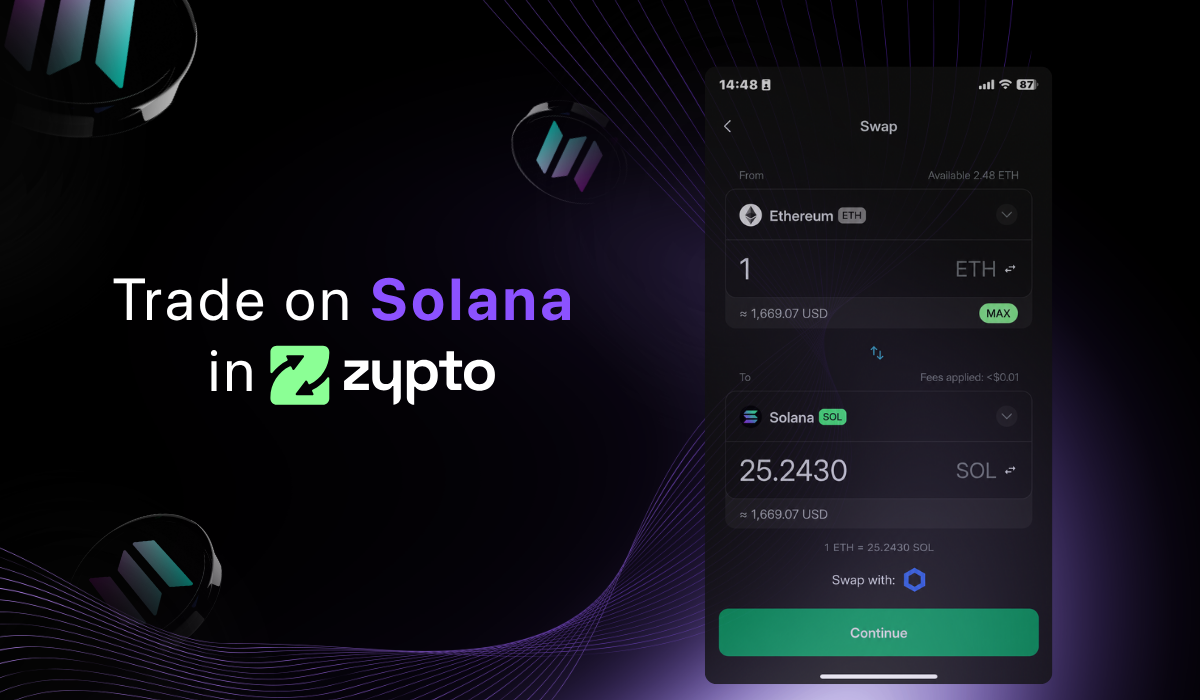
Zypto App uses a self custodial wallet model while supporting multiple blockchains.
The wallet remains the authorization layer, controlling keys and transaction approval, while the app provides access, connectivity, and additional functionality without redefining custody.
This allows users to manage assets across different networks within one environment, while retaining control of their private keys.
Why This Distinction Matters
Understanding that one wallet can support multiple blockchains helps users move beyond outdated assumptions.
It clarifies how modern crypto systems are structured, how control is maintained across networks, and how usability has evolved without compromising blockchain independence.
Related Wallet & Custody Guides
→ What Is a Crypto Wallet?
→ What Is Self Custody in Crypto?
→ Custodial vs Non Custodial Crypto Wallets
→ Do You Own Your Crypto If It’s in a Wallet App?
→ How Crypto Wallets Store Private Keys
→ When Should You Use a Mobile Crypto Wallet?
→ What Happens If You Lose Access to Your Crypto Wallet?
→ Are All Crypto Wallets the Same?
→ Why Wallet Choice Matters in Crypto
→ Who Controls Your Crypto in a Wallet App?
FAQs
Can one crypto wallet hold multiple blockchains?
Yes. Some crypto wallets are designed to support multiple blockchains within a single interface, allowing users to manage assets across different networks in one place.
Does a multi-chain wallet use the same address for every blockchain?
No. Even when a wallet supports multiple blockchains, each blockchain has its own separate address derived from the wallet’s keys.
Is a multi-chain wallet always non custodial?
Not necessarily. Multi-chain support can exist in both custodial and self custodial wallets. Custody depends on who controls the private keys, not how many blockchains are supported.
How does a wallet manage assets on different blockchains?
The wallet uses cryptographic keys to authorize transactions on each supported network, applying the correct rules and formats for each blockchain behind the scenes.
Are multi-chain wallets less secure than single-chain wallets?
Security depends on key management and wallet architecture, not the number of blockchains supported. A well designed multi-chain wallet can be just as secure as a single-chain wallet.
Why do some wallets only support one blockchain?
Some wallets are built for simplicity, specialization, or tighter security controls, and intentionally limit support to a single network rather than multiple blockchains.








0 Comments