
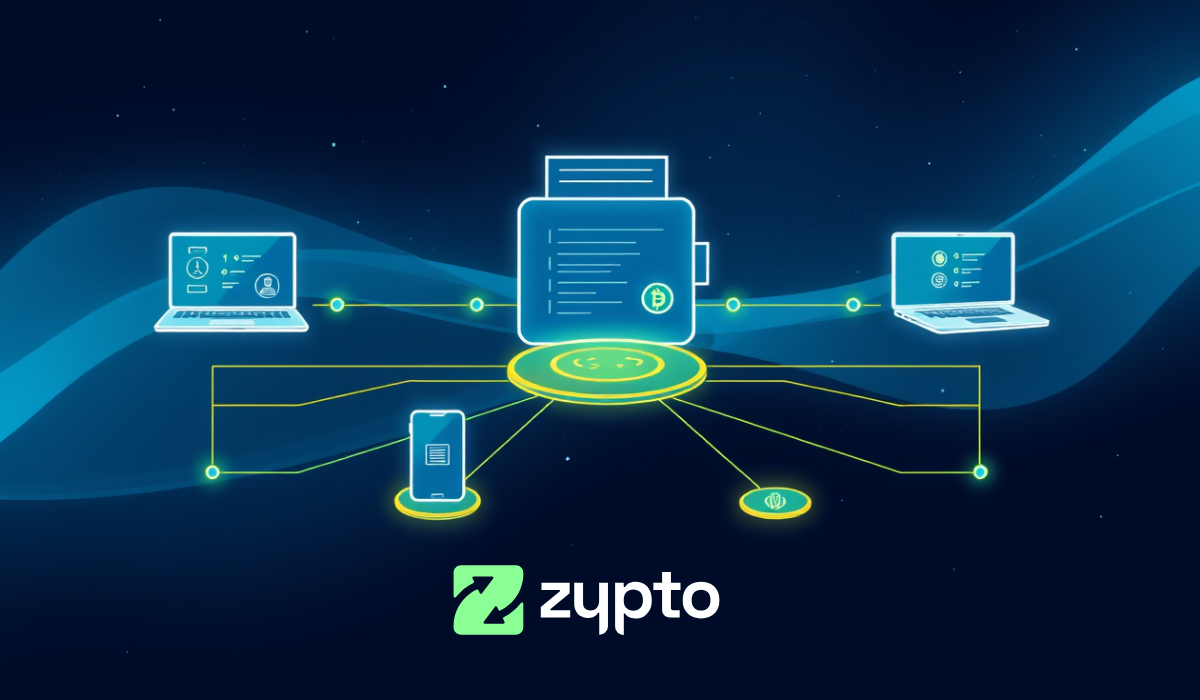
Crypto was designed to be interoperable.
Wallets, applications, and protocols were meant to work together without requiring permission from a central platform. Open wallet connectivity is the mechanism that makes this possible. Without it, crypto would function more like closed financial software than an open network.
Understanding this concept explains why choice, portability, and user control still exist in crypto today.
What Open Wallet Connectivity Means
Open wallet connectivity refers to the ability for wallets to connect to many different applications using shared standards.
Instead of being locked into a single app or ecosystem, a wallet can interact with multiple decentralized applications, protocols, and services. The wallet does not belong to the application. The application does not own the wallet.
The connection is voluntary, permissioned, and reversible.
How Closed Systems Differ
In closed systems, access is restricted.
Users are required to use specific interfaces, approved integrations, or proprietary connections. Moving assets or switching tools often means starting over or giving up control.
Crypto was built to avoid this model. Open wallet connectivity prevents applications from becoming gatekeepers.
Why DeFi Depends on Open Connectivity
DeFi protocols are designed to be accessed by any compatible wallet.
Lending platforms, decentralized exchanges, and on-chain services do not require a specific app. They rely on standardized wallet connections and transaction authorization. This allows innovation to happen at the protocol level rather than being controlled by interfaces.
If wallet connectivity were closed, DeFi would lose much of its openness.
User Control Comes From Portability
Open connectivity allows users to change tools without changing ownership.
A wallet can disconnect from one application and connect to another without moving funds or giving up authorization. This portability ensures that users remain in control even as interfaces evolve.
Control comes from keys, not from apps.
Where Multi Functional Crypto Apps Fit In
Some multi functional crypto apps are designed to support open wallet connectivity.
In these setups, the app provides an interface for managing wallet connections, reviewing transaction requests, and interacting with multiple protocols from one environment. The wallet continues to handle authorization, while the app focuses on visibility and interaction.
When built this way, a multi functional crypto app operates as an access layer rather than a custodian. Open connectivity is what allows these roles to remain distinct.
Why This Matters Long Term
Without open wallet connectivity, crypto would fragment.
Users would be locked into individual platforms, applications would control access, and innovation would slow. Open connectivity keeps the ecosystem flexible, competitive, and user controlled.
This is not a feature. It is a foundational design principle.
Related DeFi & Connectivity Guides
→ What Is DeFi?
→ How Do Crypto Apps Connect to DeFi?
→ What Is WalletConnect and Why Does It Matter?
→ How Crypto Apps Access dApps Securely
→ What Is a Built In Web3 Browser?
→ Can You Use DeFi Without MetaMask?
→ How dApps Connect to Wallets
→ What Does “Non Custodial DeFi Access” Mean?
→ How Crypto Apps Act as Access Layers to Web3
FAQs
What is open wallet connectivity?
Open wallet connectivity is the ability for wallets to connect to multiple applications and protocols using shared standards, without being locked into a single platform.
Why does open wallet connectivity matter in crypto?
It preserves user control, prevents platform lock-in, and allows wallets and applications to remain interoperable across the ecosystem.
Is open wallet connectivity required for DeFi to work?
Yes. DeFi relies on wallets being able to connect freely to protocols so users can authorize transactions without intermediaries.
Do all crypto apps support open wallet connectivity?
No. Only some multi functional crypto apps are designed to support open connectivity. It is a design choice, not a default feature.
Does open connectivity give applications control over wallets?
No. Applications can request actions, but wallets retain authorization and users must approve every on-chain transaction.
How does open connectivity protect users long term?
It allows users to change tools without moving funds, keeps authorization separate from interfaces, and prevents applications from becoming custodians.












0 Comments