Crypto exchanges are where many people first encounter digital assets. They allow users to buy, sell, and trade cryptocurrencies using large trading...
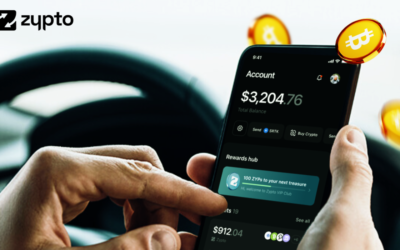
Exchange & Access Guides: Beyond Crypto Exchanges
read more

Zypto News and Articles in the category
Crypto exchanges are where many people first encounter digital assets. They allow users to buy, sell, and trade cryptocurrencies using large trading...

Crypto apps have become the primary interface for interacting with digital assets. From trading and storage to decentralized access and real world...

DeFi runs on access. Modern crypto apps connect users to decentralized applications, smart contracts and on chain infrastructure through non...

Crypto apps are a broad software category. Some crypto apps are designed primarily for trading, some for custody, and others for interacting with...
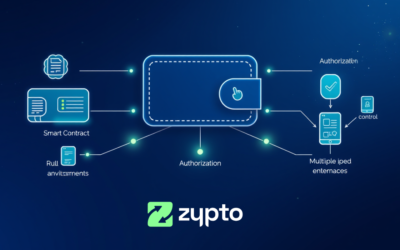
Non custodial DeFi access means users interact with decentralized finance protocols without giving control of their assets to an intermediary. Funds...
Crypto was designed to be interoperable. Wallets, applications, and protocols were meant to work together without requiring permission from a...
Yes. MetaMask is one way to access DeFi, but it is not a requirement. DeFi is a set of protocols that live on blockchains. It does not belong to any...
A built in Web3 browser is a browsing environment designed specifically for interacting with decentralized applications. Unlike a traditional web...
Decentralized applications do not live inside crypto apps. dApps run on blockchains or decentralized networks, while crypto apps provide a way for...
DeFi does not exist inside apps. Decentralized finance runs on blockchains through smart contracts. Crypto apps do not contain DeFi. They provide a...
For many years, crypto usage was tightly coupled to exchanges. Buying, selling, and even holding assets often required interaction with a trading...
Crypto exchanges are no longer the default entry point for all crypto activity. They now sit alongside a broader range of tools that allow people to...
Crypto platforms are often described as either centralized or decentralized. These labels are frequently used as shorthand, but they are commonly m...
Control in crypto is determined by who can authorize transactions. A wallet app may display balances, prepare transactions, and provide an interfac...

In the rapidly evolving Web3 landscape, decentralized systems are revolutionizing various sectors across the globe. With so much going on, DePIN (D...

Searching for the best Ripple wallet usually comes down to one thing: finding a way to securely manage XRP while still being able to actually use i...

Ripple holders often reach a moment where they want deeper protection for XRP. Hot wallets feel fast but they keep your key too close to the intern...
Crypto adoption is growing and safeguarding digital assets has never been more critical. One of the most secure ways to store your crypto safely is...
In crypto, wallets are often described as either “hot” or “cold.” These labels are widely used, but they are also frequently misunderstood....
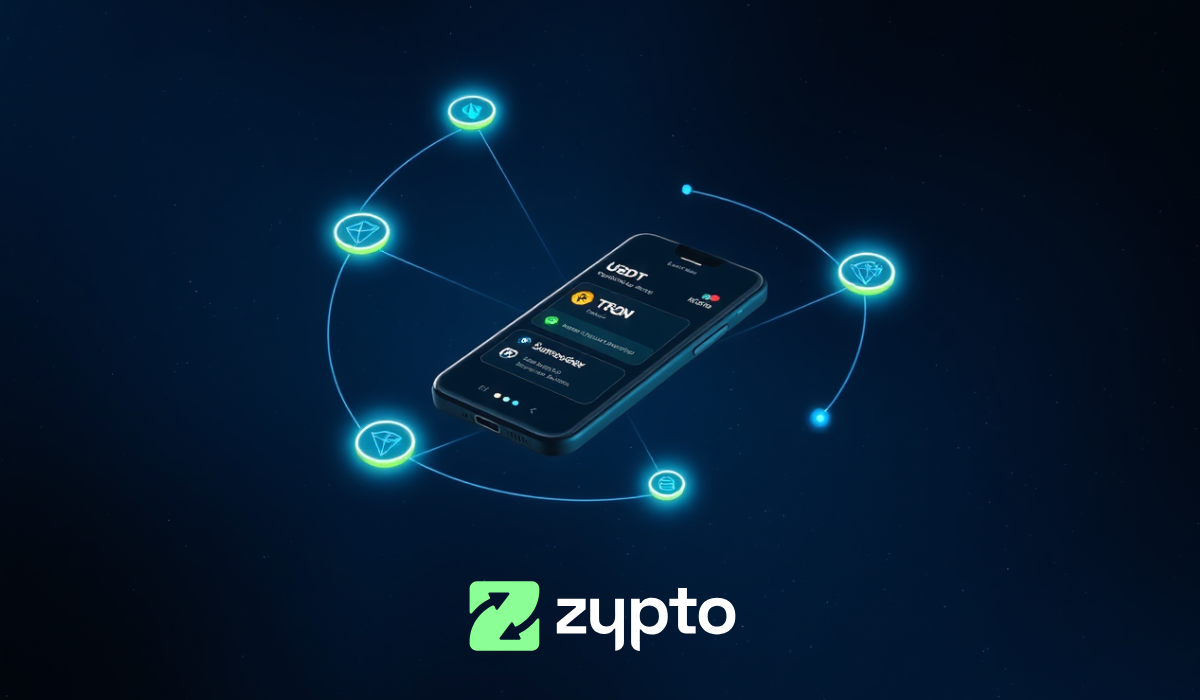
USDT is the world’s largest stablecoin. With over $140 billion in circulation, it moves more value globally every day than most traditional p...
Cold storage has traditionally been associated with dedicated hardware devices. For many years, the idea of a hardware wallet has been closely tied...

Tron is one of the most active blockchain networks in the world. TRX and TRC20 tokens are used across dApps, DeFi protocols, stablecoin transfers, ...
Crypto moves fast. But moving your assets between blockchains? That’s where things get tricky. As more users explore Ethereum, Solana, Tron, Arbi...
DeFi does not exist inside apps. Decentralized finance runs on blockchains through smart contracts. Crypto apps do not contain DeFi. They provide a...

Nick Szabo is credited with coining the term “smart contracts” and proposing the concept itself. Over two decades later, his idea has r...

As we dive into the dynamics of Web3, the quest for powerful and reliable blockchain platforms is more critical than ever. These platforms are the ...
A crypto app is often the first place people interact with cryptocurrency. It’s where users buy their first asset, check prices, manage wallets, ...
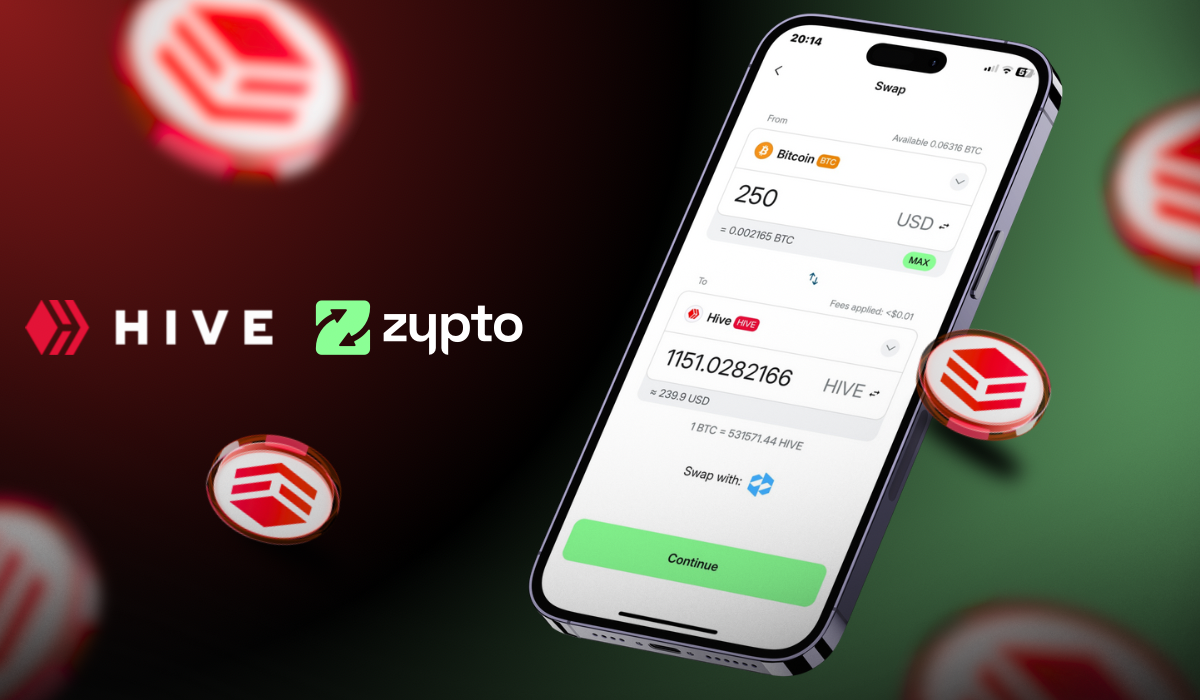
Today we’re featuring a brand new YouTube tutorial from Decentralized Creative – a dedicated Zyptonian and Zypto App user – who walks...
Stablecoins have become the workhorses of crypto, powering payments, DeFi, remittances, and the global on-chain economy. USDT, USDC, DAI, and USD1 ...
The decentralized finance (DeFi) market has created a unique branch of cryptocurrencies and blockchain technology where people can access financial...
Cryptocurrency is rapidly moving from just an investment asset to a practical tool for everyday financial transactions. With the rise of crypto-pow...
Mobile crypto apps are now a common way people interact with crypto. They are used to view balances, send and receive funds, convert assets, and in...

