Zypto kini mendukung Bahasa Indonesia - dan ini mengubah segalanya! Jutaan pengguna Indonesia kini bisa menggunakan kripto dengan mudah dan aman...
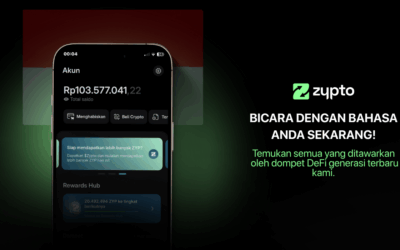
Zypto Kini Mendukung Bahasa Indonesia – Crypto Lebih Dekat dengan Anda
read more

Zypto News and Articles in the category
Zypto kini mendukung Bahasa Indonesia - dan ini mengubah segalanya! Jutaan pengguna Indonesia kini bisa menggunakan kripto dengan mudah dan aman...

Non-fungible tokens (NFTs) had a massive run during the 2021 bull run in the crypto market, with various digital collectibles storming the market. ...
Control in crypto is determined by who can authorize transactions. A wallet app may display balances, prepare transactions, and provide an interfac...
When people talk about Ripple, XRP, and the XRP Ledger (XRPL), they often use the names interchangeably. But while they’re all connected, each te...

Ripple wallets have evolved far beyond the simple storage apps of the past. In 2025, the question isn’t whether you need a Ripple wallet, but whi...
Crypto is digital, but control over it is not purely virtual. Every digital asset is ultimately governed by something physical. A device, a card, a...
In today’s fast-paced world, one thing remains constant—recurring bills. Whether it’s insurance premiums, mortgage payments, or subscription ...
Decentralized applications do not live inside crypto apps. dApps run on blockchains or decentralized networks, while crypto apps provide a way for ...
At first glance, many people assume that each blockchain requires a separate wallet. Assets on different networks are often thought to need differe...
The crypto world is vast, and so are your choices when it comes to crypto wallets. But not every wallet fits every user. Whether you’re stori...

Web3 is changing how we use the internet, especially for tech enthusiasts, by introducing decentralized technologies. At the center of this change ...

Decentralised finance is changing how people interact with money. Instead of relying on banks or centralised exchanges, users are turning to DeFi w...
The decentralized finance (DeFi) market has created a unique branch of cryptocurrencies and blockchain technology where people can access financial...

Web3 represents the next evolution of the internet, promising a user-centric digital ecosystem. Built on blockchain technology, Web3 offers a decen...
In today’s world of technological innovation, two terms have been constantly spoken about in the digital space — AI and Web3. Everyone know...

The Ripple network continues to grow in real-world adoption, powering faster, low-cost transactions across the globe. Whether you use XRP for tradi...

The world of decentralised finance has moved far beyond simple token storage. A new generation of DeFi wallet apps is reshaping how people interact...
Polygon has become one of the most important networks in Web3. Built to scale Ethereum with faster transactions and lower fees, it’s the home of ...
Losing the Vault Key Card does not remove funds, reset wallets, or block access to Zypto App. The Vault Key Card controls transaction authorization...
Crypto software has historically been fragmented. Users were expected to rely on separate tools for storage, trading, on-chain access, and real-wor...
When people hear of cryptocurrency investing, they automatically think of buying and selling Bitcoin and other digital assets. However, like in tra...

