Welcome to this week’s crypto stories, where Google taps prediction markets, Spain cashes out vintage Bitcoin, and Pi Network rolls out its latest...

This Week In Crypto: Google Bets on Data, Spain Sells BTC, and Zypto Drops ETN
read more


Zypto News and Articles in the category
Welcome to this week’s crypto stories, where Google taps prediction markets, Spain cashes out vintage Bitcoin, and Pi Network rolls out its latest...

Hardware wallets protect crypto by isolating transaction authorization from online environments. They are not designed to make crypto harder to use...

Crypto mining is one of the popular alternative ways people make money from crypto. Beyond that, new coins cannot be produced and many crypto trans...

If you’ve ever wondered “what is Ethereum”? and how it differs from Bitcoin, you are not alone. Though Bitcoin retains the industry’s l...

The use of cryptocurrencies has undergone a huge change over the last couple of years. They are being accepted by traditional finance and many larg...
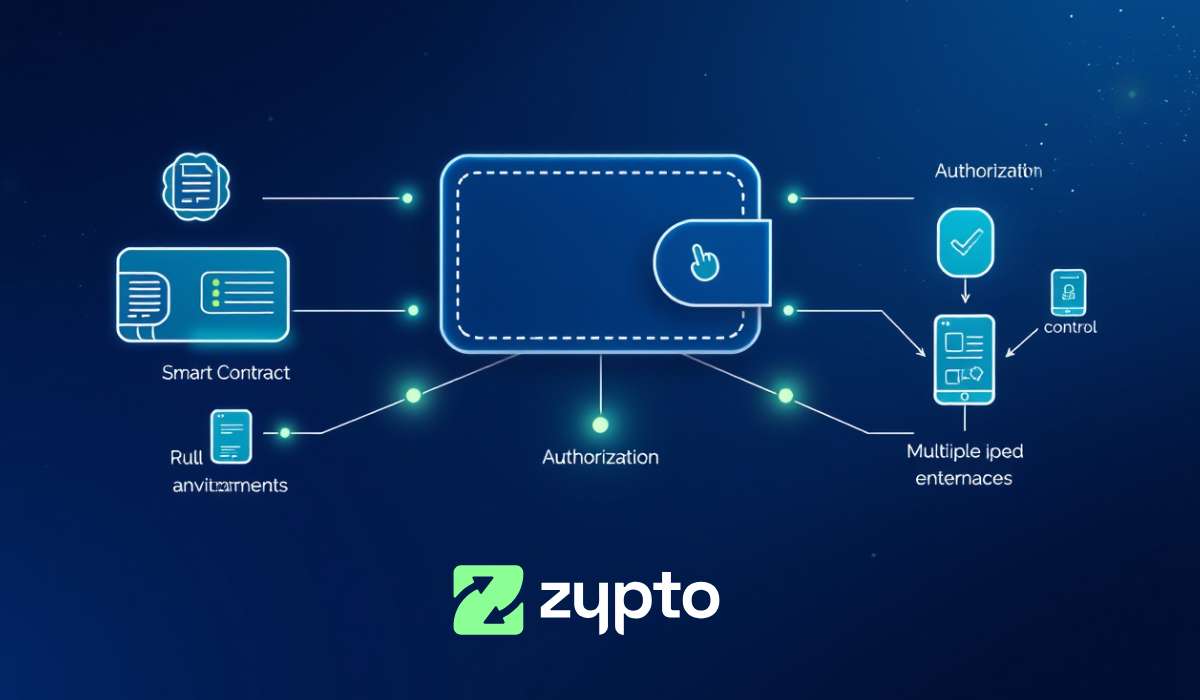
Non custodial DeFi access means users interact with decentralized finance protocols without giving control of their assets to an intermediary. Fund...
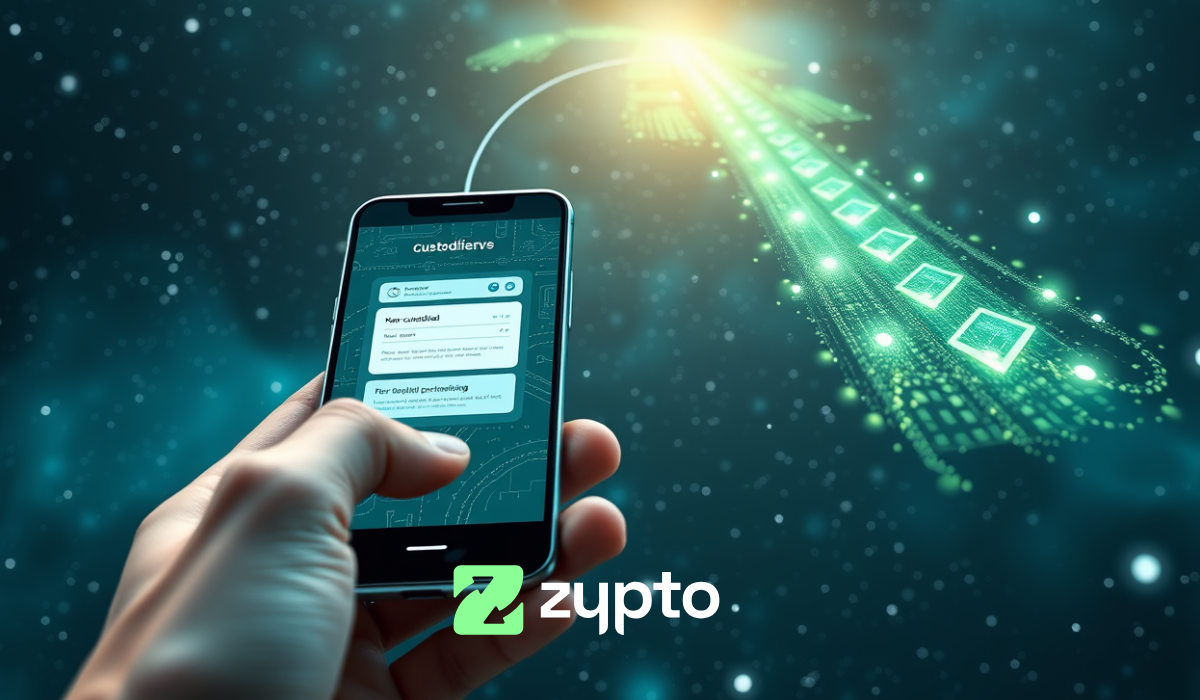
Mobile crypto wallets have become one of the primary ways people access crypto today. Built for smartphones, they provide a portable interface for ...

A crypto app is often the first place people interact with cryptocurrency. It’s where users buy their first asset, check prices, manage wallets, ...

Private keys are the foundation of crypto ownership. Every transaction, balance change, and on chain interaction depends on them. Understanding how...

WalletConnect is an open standard that allows wallets to connect securely to decentralized applications. Rather than creating new accounts or handi...
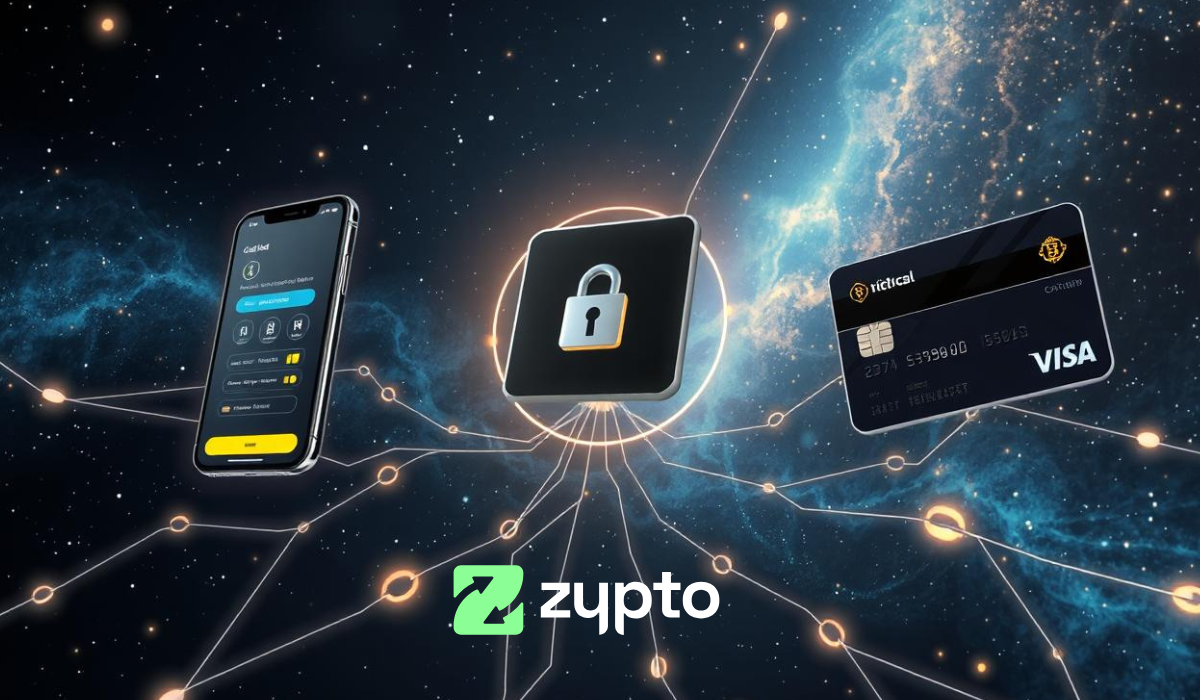
The crypto world is vast, and so are your choices when it comes to crypto wallets. But not every wallet fits every user. Whether you’re stori...
A crypto app is a software application that allows people to interact with cryptocurrencies. There are many types of crypto apps. Some focus on a s...

As the crypto industry continues to develop, new projects are built by the day for different purposes. One of the latest additions to the ever-grow...
A non custodial wallet is built around one simple idea. You control your crypto, not someone else. For many users, this is the moment crypto really...
Crypto was designed to be interoperable. Wallets, applications, and protocols were meant to work together without requiring permission from a centr...

Crypto cards aren’t the future, they’re already here. In 2025, millions of people are turning their coins into coffee, their tokens into taxis,...

Web3 is the new face of the digital world, shifting the internet towards decentralization, blockchain technology, and cryptocurrencies. As we trans...
The terms crypto exchange and crypto app are often used interchangeably. That overlap has led to persistent confusion about how different crypto pl...

Decentralised finance is changing how people interact with money. Instead of relying on banks or centralised exchanges, users are turning to DeFi w...
Losing access to a crypto wallet is one of the most serious risks in crypto. Because blockchains are permissionless systems, access is enforced by ...
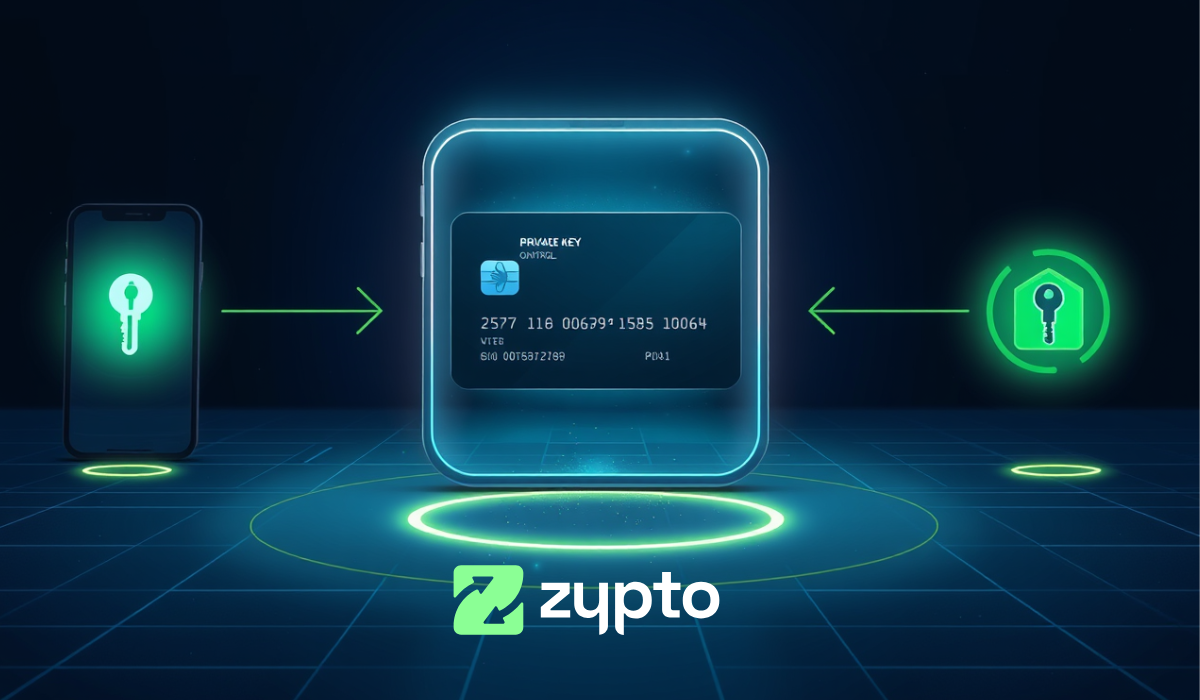
Whether a wallet stores private keys directly is one of the most important questions in crypto security. For card-based cold wallets, the answer de...

