Crypto just got even more accessible. The Zypto App now supports 14 new languages, bringing our total to 22, making it easier than ever for our...

Zypto App Speaks Your Language: 14 New Languages Just Added!
read more


Zypto News and Articles in the category
Crypto just got even more accessible. The Zypto App now supports 14 new languages, bringing our total to 22, making it easier than ever for our...
Bitcoin is still the backbone of crypto. Whether you’re holding BTC as a long-term store of value or looking to actually use it in your every...

Since the Bitcoin network pioneered the cryptocurrency ecosystem, thousands of new blockchains have been created. Each one has unique use cases, st...
Self custody in crypto refers to a model where an individual controls their own private keys rather than relying on a third party to manage access ...

A crypto app acts as the interface between people and the crypto ecosystem. It provides tools to interact with cryptocurrencies, without requiring ...

Cryptocurrency has made many people millionaires in recent years. Most of these people are early investors who saw the value and potential of digit...
Card-based cold wallets are designed to make cold storage protection accessible to all crypto users. Rather than targeting a narrow group or a spec...
Cold storage in crypto refers to a security model where private keys are kept offline, or otherwise isolated from constant internet exposure. It is...
The Fantom wallet inside Zypto App gives you secure, direct control of your FTM and every token on the Fantom Opera blockchain. It is designed for ...
When people first enter crypto, exchanges are often where everything begins. They make it easy to buy, sell, and view balances in one place. For ma...
There is no shortage of Bitcoin wallets on the market. But most of them fall into two categories. Either they are basic storage apps with little re...

If you’re exploring the Arbitrum ecosystem, one of the first things you’ll need is a wallet that supports ARB tokens, handles multichain swaps,...
The decentralized finance (DeFi) market has created a unique branch of cryptocurrencies and blockchain technology where people can access financial...

Web3 is the new face of the digital world, shifting the internet towards decentralization, blockchain technology, and cryptocurrencies. As we trans...

Ripple (XRP) remains one of the most widely used digital assets for payments, cross-border transfers, and enterprise adoption. But with popularity ...
Crypto-friendly banks and fintech platforms are becoming increasingly important as digital assets move closer to everyday finance. In 2026, the str...
Shibarium is more than just hype. With smart contracts, dApps, and a growing list of tokens like SHIB, BONE, LEASH and TREAT, it’s one of the mos...
For a long time, using crypto was closely associated with using an exchange. Buying crypto, selling crypto, and even holding crypto were often trea...
Cryptocurrency trading and investing can be profitable. However, it has been established over time that crypto assets like Bitcoin and Ethereum are...
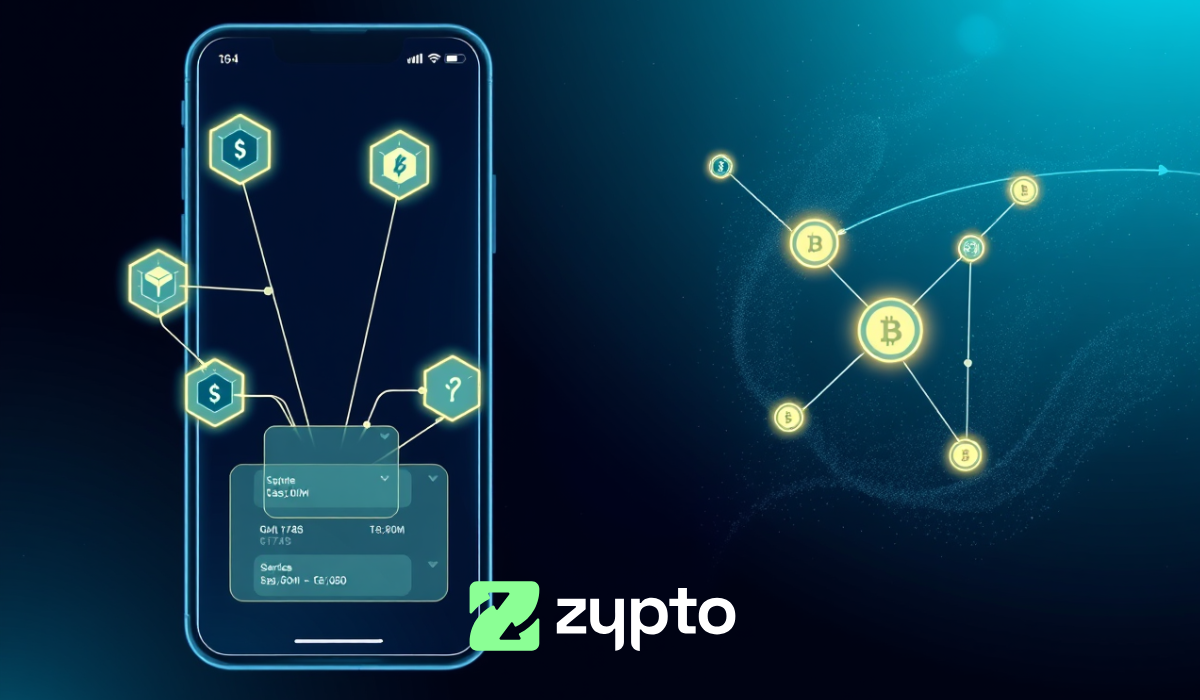
The terms multichain wallet and crosschain wallet are often used interchangeably. They sound similar, and in some cases they overlap. But they desc...

Blockchain technology has become a buzzword in recent years, but what exactly is it? Blockchains are best known for their crucial role in maintaini...

