The Pi Network continues to grow, with millions of Pioneers mining and using Pi ($PI) worldwide. To make the most of your Pi, you need a secure and...
The Best Pi Wallet App for iOS and Android
read more

Zypto News and Articles in the category
The Pi Network continues to grow, with millions of Pioneers mining and using Pi ($PI) worldwide. To make the most of your Pi, you need a secure and...
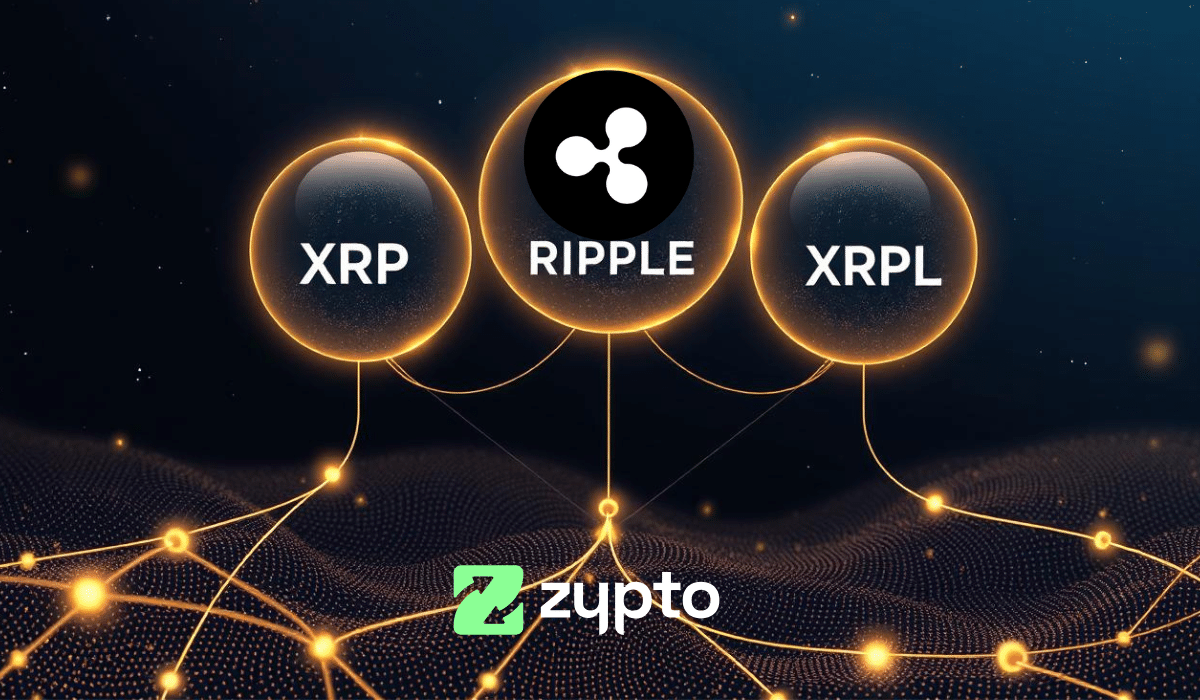
When people talk about Ripple, XRP, and the XRP Ledger (XRPL), they often use the names interchangeably. But while they’re all connected, each te...
The terms crypto exchange and crypto app are often used interchangeably. That overlap has led to persistent confusion about how different crypto pl...
A crypto app is a software application that allows people to interact with cryptocurrencies. There are many types of crypto apps. Some focus on a s...

Whether you’re a crypto newbie or a seasoned investor, a Bitcoin wallet is an essential tool you need for a successful crypto journey. Just like ...
Card payments and online banking are popular payment methods among conventional businesses. Today, businesses accept digital payments via various c...
Crypto billing is quickly becoming a practical way for businesses to invoice, charge, and get paid without relying on traditional banking systems. ...

If you’re familiar with the latest cryptocurrency industry trends, you likely know that you can make bill payments or purchase groceries with a c...
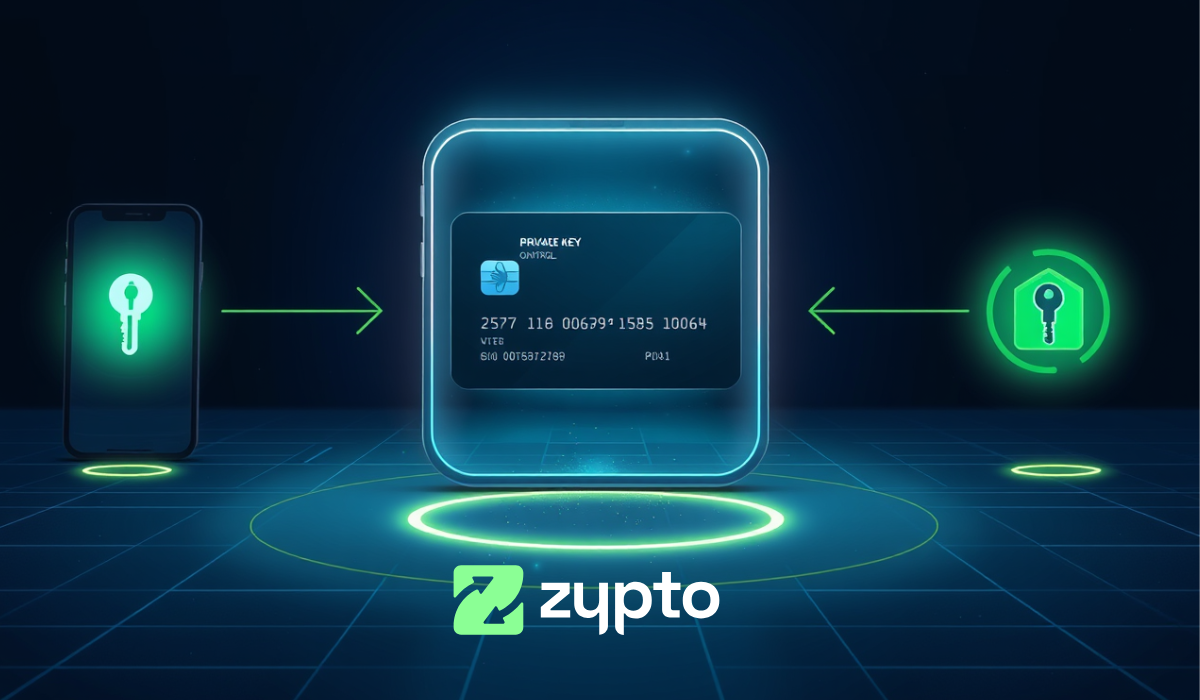
Whether a wallet stores private keys directly is one of the most important questions in crypto security. For card-based cold wallets, the answer de...
Ripple’s ecosystem has expanded far beyond cross-border payments. The XRP Ledger (XRPL) is powering DeFi projects, NFTs, and new ways to move val...

Bitcoin has transformed how money moves across the globe – fast, borderless, and without banks. But to send or receive Bitcoin, you need some...
Crypto has become easier to use than ever. Mobile apps allow people to send and receive funds, manage balances, interact with decentralised service...
Non custodial is one of the most common terms in crypto, and also one of the most misunderstood. For many users, it sounds technical or intimidatin...
Base has quickly become a hub for builders and users who believe in the onchain future. Its low fees, composable ecosystem, and Coinbase-backed sec...
The best DeFi wallet should do more than store tokens, and Zypto App is built for that. If you’re searching for the best DeFi wallet, you wan...
Whether you’re a newbie or an experienced cryptocurrency investor, you already know by now that the crypto market is volatile. Typically, there a...

If you’re searching for a crypto payments app, you want more than storage. You want real world utility. You want to pay, move, swap and use your ...

Hardware wallets are one of the most established ways to protect crypto. They work by keeping transaction authorization offline. Instead of private...
The Vault Key Card and app-only signing are two authorization modes inside Zypto App. Both are valid. The difference is not about access or usabili...
A crypto app is often the first place people interact with cryptocurrency. It’s where users buy their first asset, check prices, manage wallets, ...
The Vault Key Card and device-based hardware wallets both provide cold authorization. The difference is not whether they are secure, but how they i...

