by Zypto | Oct 17, 2025 | Blog, Slides - Multichain Crosschain Wallet - Ecosystem, Zypto App
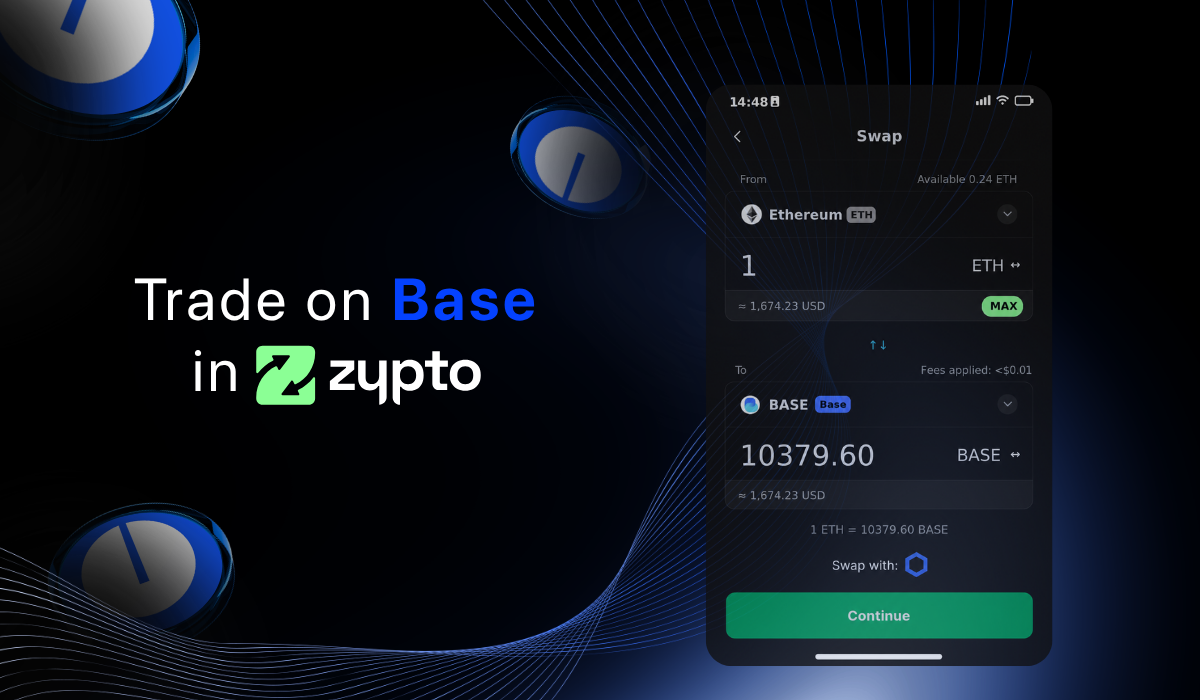
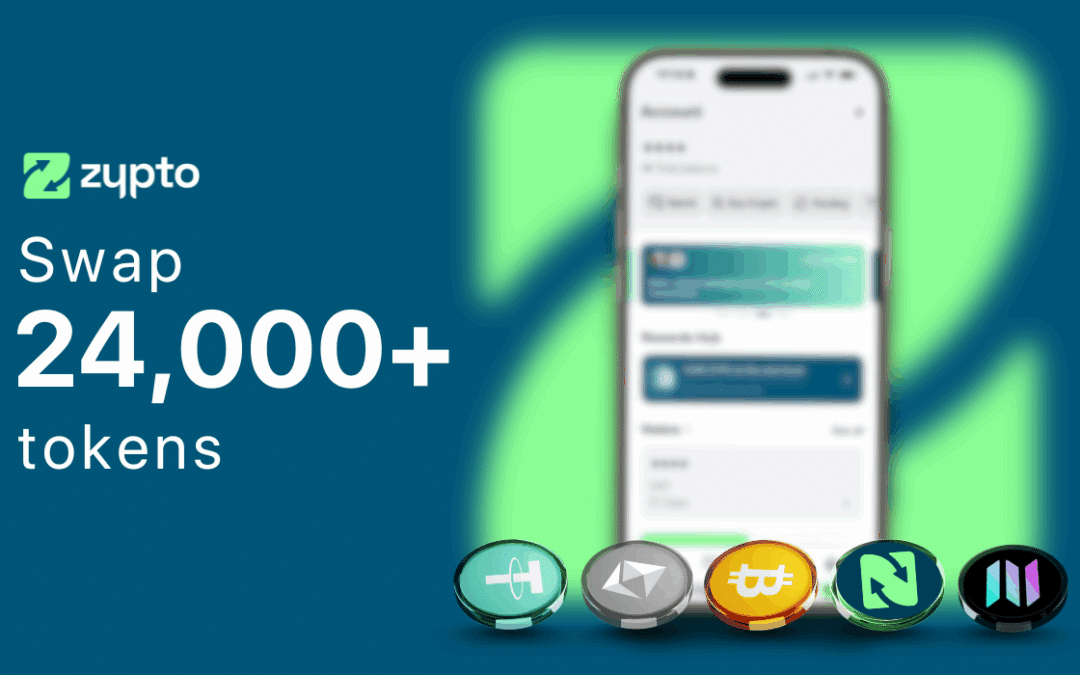
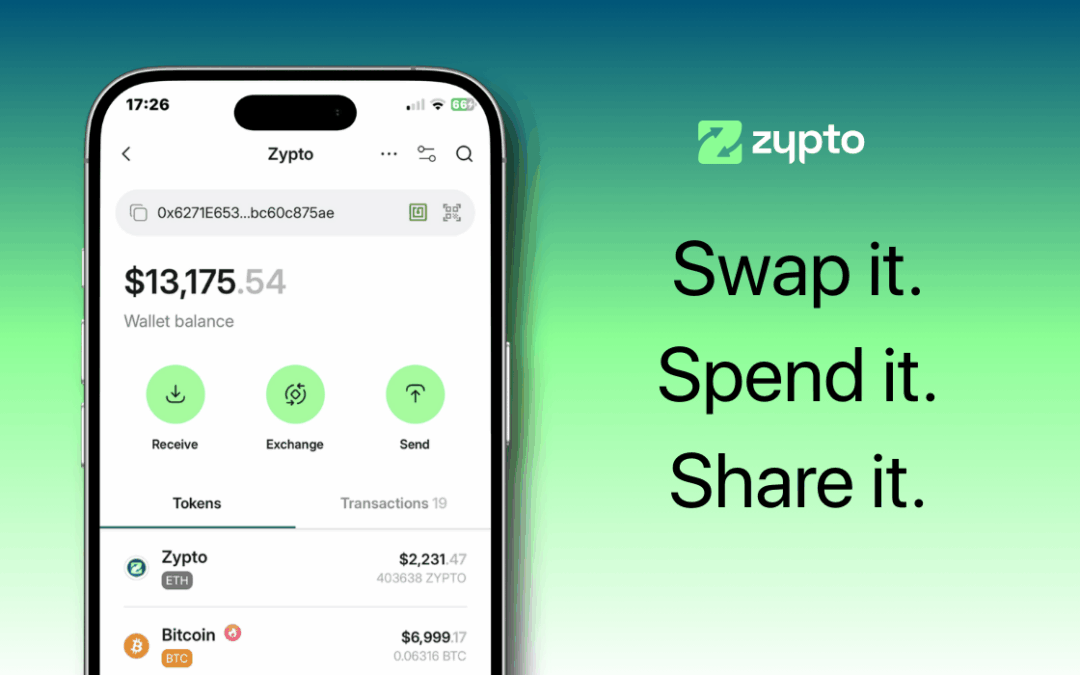
Zypto App gives users the ability to swap over 24,000 tokens across more than 20 blockchains, all within a single self-custodial, crosschain wallet. There is no need for external bridges, browser extensions, or centralised exchanges, just clean, direct access to the...

by Zypto | Oct 9, 2025 | Blog, Slides - Multichain Crosschain Wallet - Ecosystem, Slides - Zypto About The Company - Ecosystem, Zypto Company News
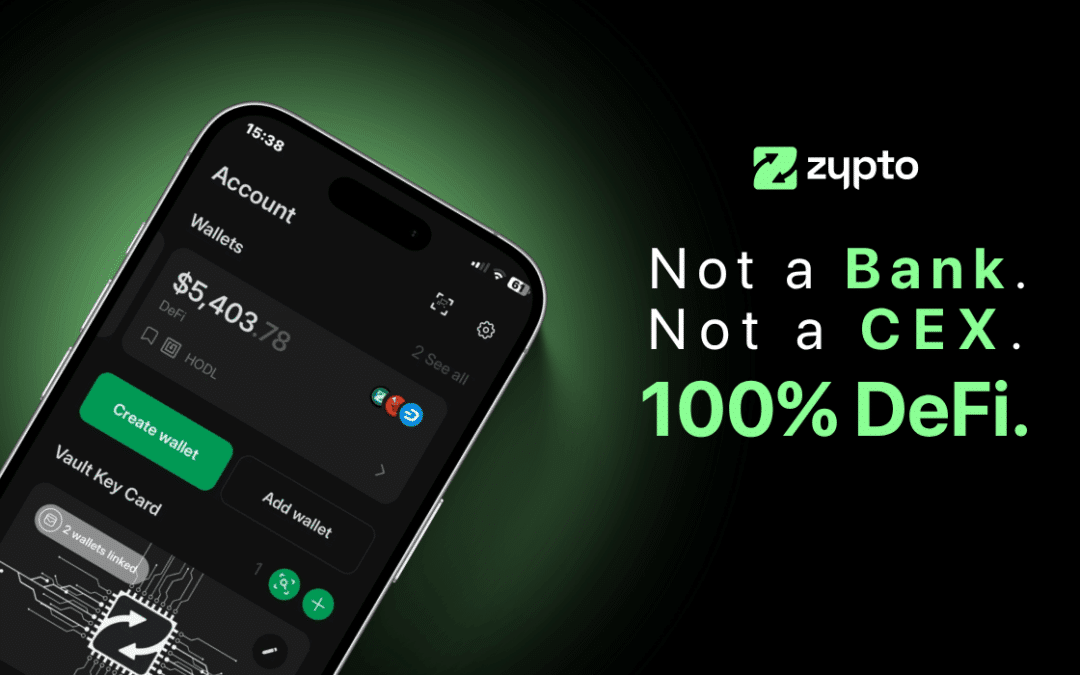
Banks hold your money.CEXes hold your keys.Zypto holds none of it. Because you do. That is the power of true DeFi. It is the foundation on which Zypto was built, a financial system with no middlemen, no gatekeepers, and no off switch. Banks and CEXes Still Fail Us...
by Zypto | Oct 6, 2025 | Blog, Slides - Multichain Crosschain Wallet - Ecosystem, Zypto App
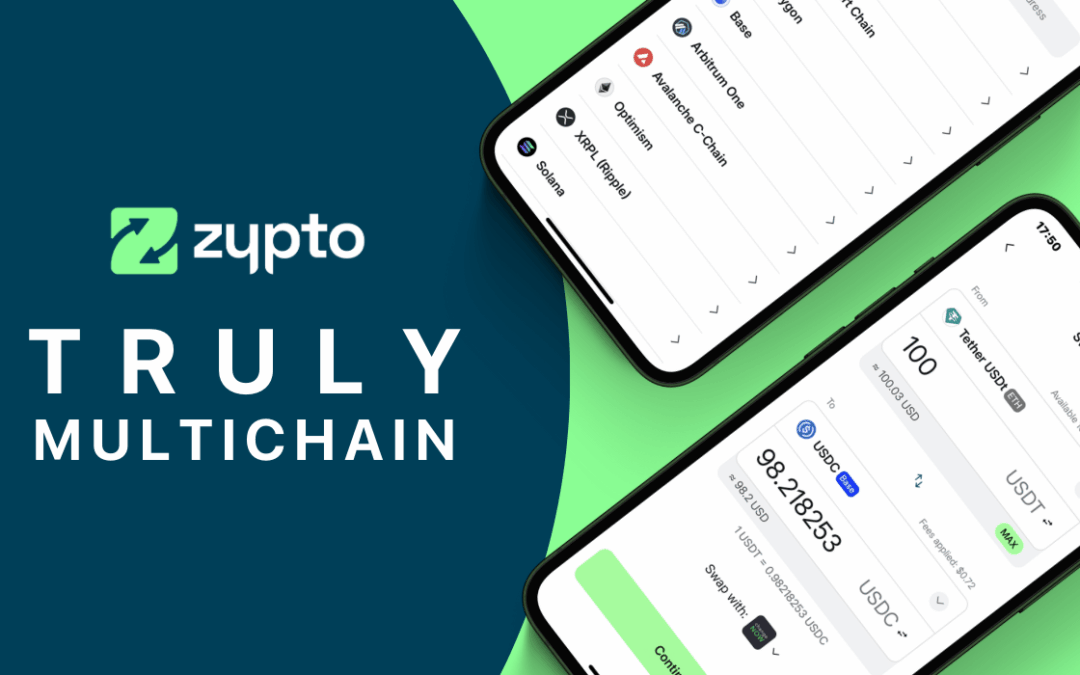
Most crypto wallets let you hold assets from different blockchains, but that doesn’t mean you can actually use them across chains. The difference between a wallet that supports multiple tokens and one that empowers real cross-chain action is huge. If you’re...
by Zypto | Sep 26, 2025 | Blog, Slides - Multichain Crosschain Wallet - Ecosystem, Zypto App
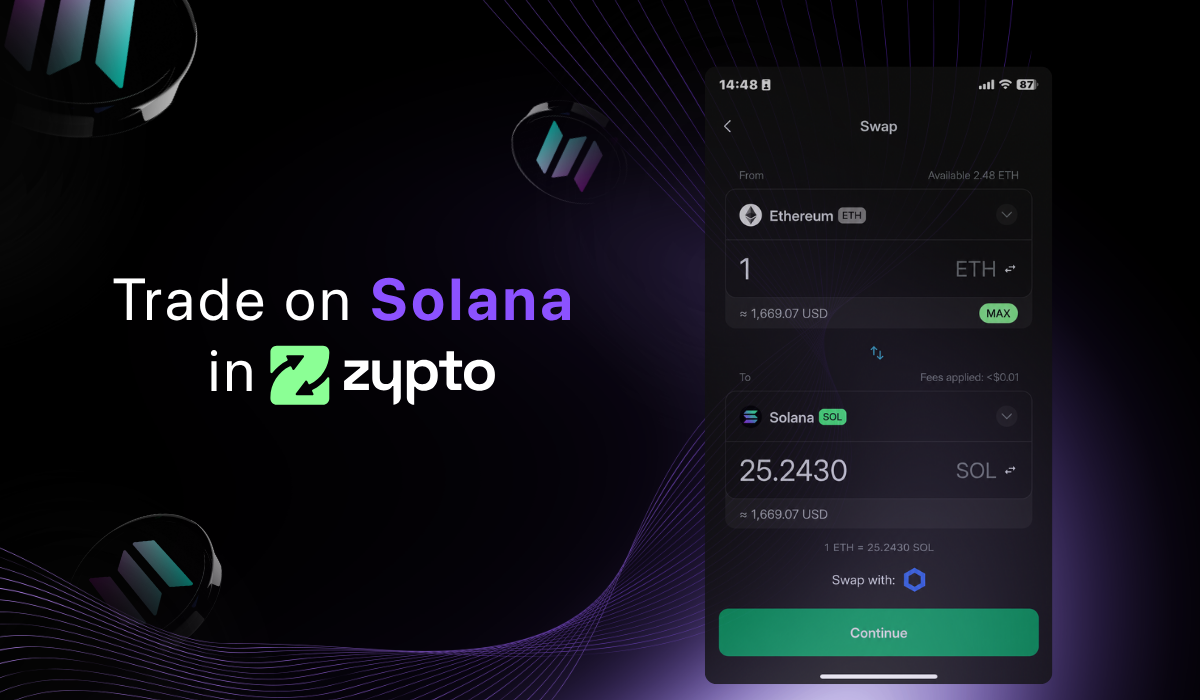
Swapping tokens across different blockchains used to mean connecting bridges, switching wallets, or hopping between dApps. Not anymore. Inside Zypto App, true cross-chain swaps are built directly into your wallet, so you can move value between Ethereum, Solana, Tron,...
by Zypto | Sep 25, 2025 | Blog, Slides - Multichain Crosschain Wallet - Ecosystem, Slides - Zypto About The Company - Ecosystem, Zypto App
If you’ve been around crypto long enough, you know that most wallets fall into one of two categories: they either support a single chain well, or they support two, perhaps three chains. Zypto is different. Built from the ground up as a true multichain wallet, the...
by Zypto | Sep 8, 2025 | Blog, Slides - Multichain Crosschain Wallet - Ecosystem, Zypto App
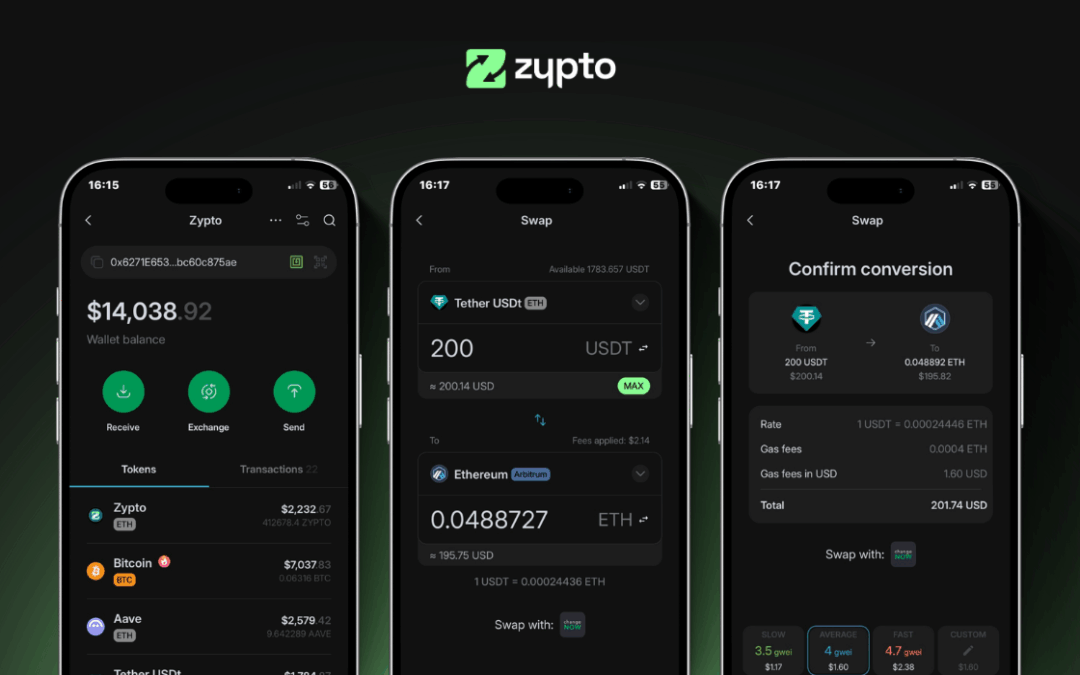
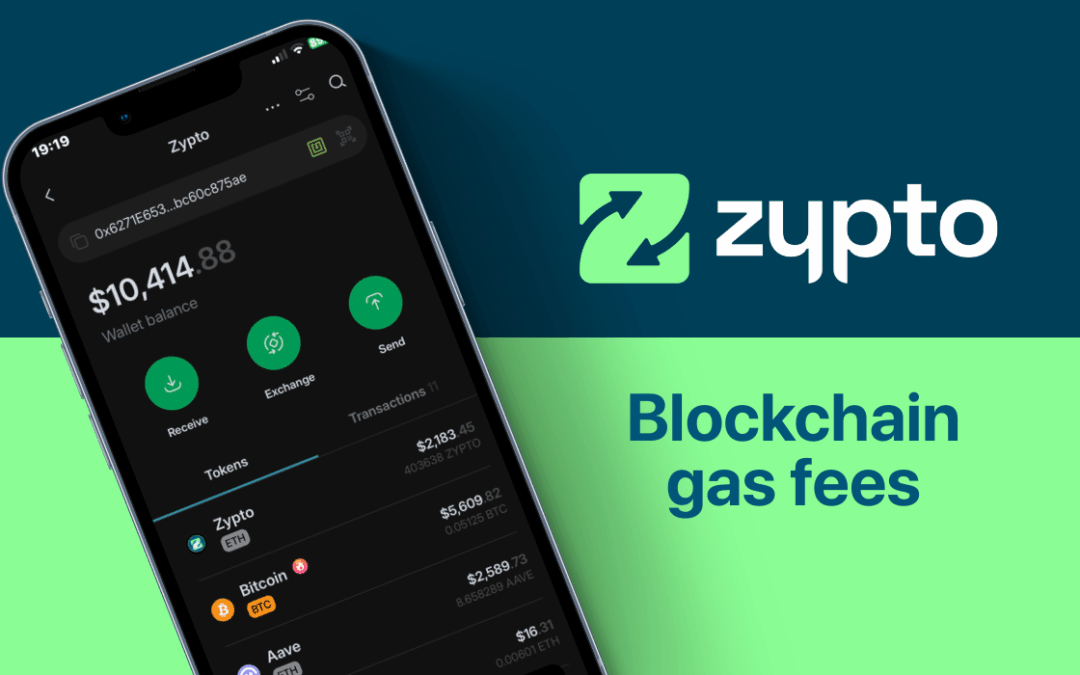
Every time you make a transaction on a blockchain, the network has to process it. To do this, the blockchain charges a small payment called a gas fee (sometimes also called a network fee). This money doesn’t go to your wallet provider – it goes to the...



 June 22, 2026