

Hardware wallets are one of the most established ways to protect crypto.
They work by keeping transaction authorization offline. Instead of private keys remaining continuously connected to the internet, a hardware wallet requires a physical device to approve access. This significantly reduces exposure to remote attacks and online compromise.
As mobile crypto apps have evolved, the question has shifted. Many users now ask whether a hardware wallet is still necessary if they already use a modern crypto app.
The answer is not about choosing one or the other. It is about understanding how they work together.
Why Hardware Wallets Exist
Hardware wallets were created to solve a specific security problem.
When private keys remain available in online environments, they are exposed to malware, phishing, and other remote threats. Hardware wallets reduce this exposure by isolating authorization, even when transactions are approved.
This principle has not changed. The purpose of cold storage has always been risk reduction through controlled authorization.
How Mobile Crypto Apps Changed Everyday Use
Mobile crypto apps changed how people interact with crypto.
They made it possible to manage assets, send and receive funds, make payments, use stablecoins, and interact with decentralised services from a single interface. Crypto shifted from being something accessed occasionally to something used in everyday life.
This increased usability also meant that access remained online more often, changing the security profile.
Hot Wallets and Cold Storage Explained Simply
When authorization is continuously available in an online environment, exposure increases.
Mobile crypto apps often operate in this context because they prioritise speed and accessibility. Cold storage exists to reduce that exposure by isolating the authorization process, even while balances and activity remain visible through software.
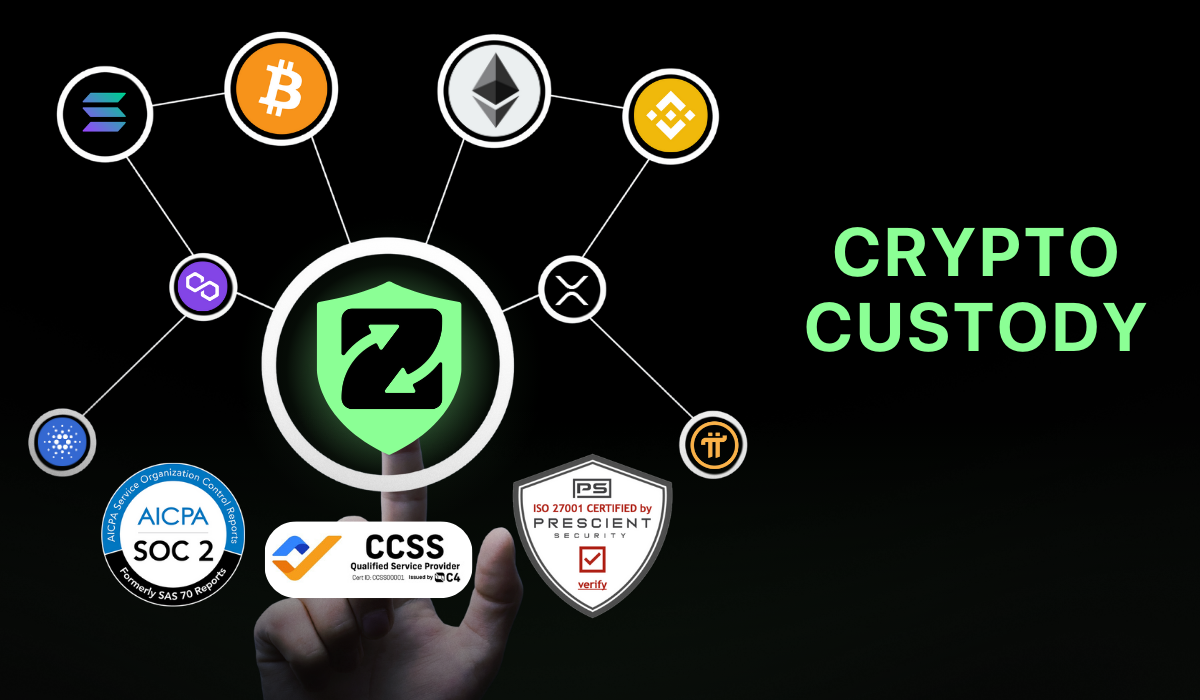
Cold storage does not mean crypto is locked away permanently. It means access is controlled more deliberately.
Why Using a Hardware Wallet With a Crypto App Can Make Sense
For users who want to reduce online exposure without giving up usability, combining a mobile crypto app with cold storage is a common approach.
The app handles interaction, balances, and everyday activity. The hardware wallet protects authorization by keeping private keys offline. This allows crypto to remain usable while reducing certain categories of risk.
This setup is not limited to long term holding. Many users apply it to assets they actively use.
How Mobile Crypto Apps and Hardware Wallets Work Together
In this model, the mobile app acts as the interface for managing crypto.
The hardware wallet adds a physical authorization step. Transactions can be reviewed and approved securely without exposing private keys to the internet.
Rather than forcing a choice between convenience and security, this approach separates the two roles.
Security Is About Design, Not Habits
Security works best when it aligns with real behaviour.
Overly restrictive setups are often bypassed. Fully exposed setups increase risk. Combining an access layer with cold storage introduces controlled friction at the point of authorization without disrupting normal use.
This design based approach reduces reliance on perfect habits.
How Users Typically Structure Their Setup
Many users structure their setup with a mobile crypto app at the centre.
Daily interaction happens through the app. Authorization is protected separately through cold storage. Over time, setups tend to become simpler rather than more complex, focusing on reducing exposure without sacrificing access.
Where Zypto App Fits In
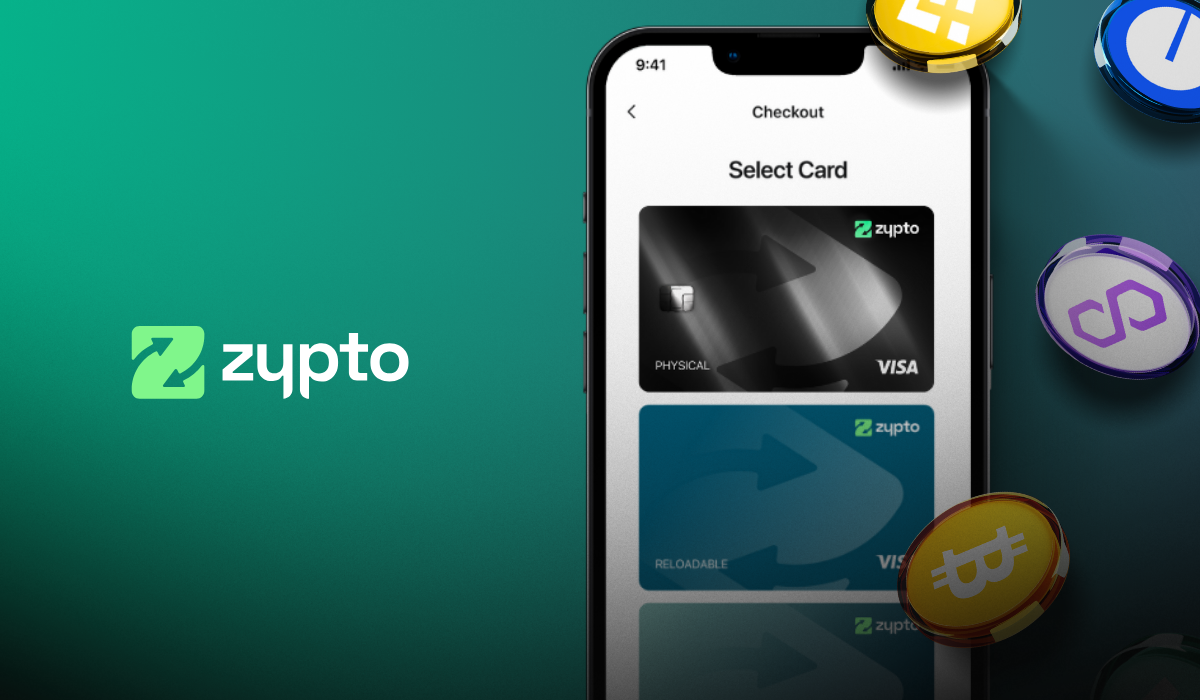
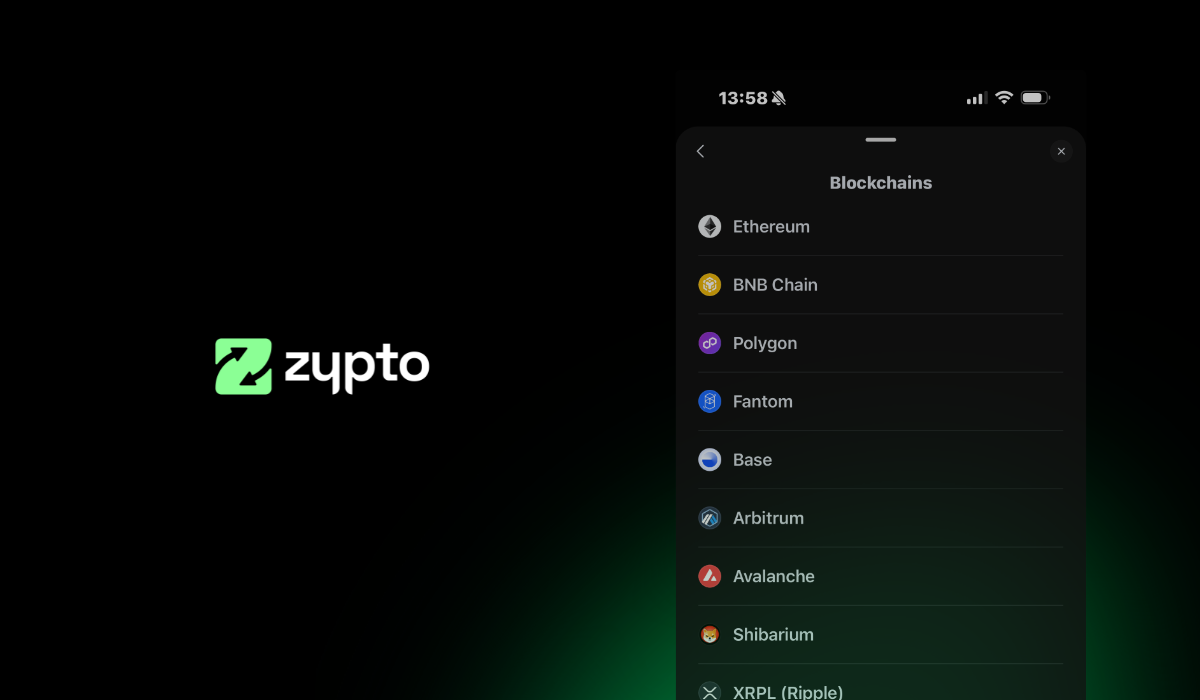
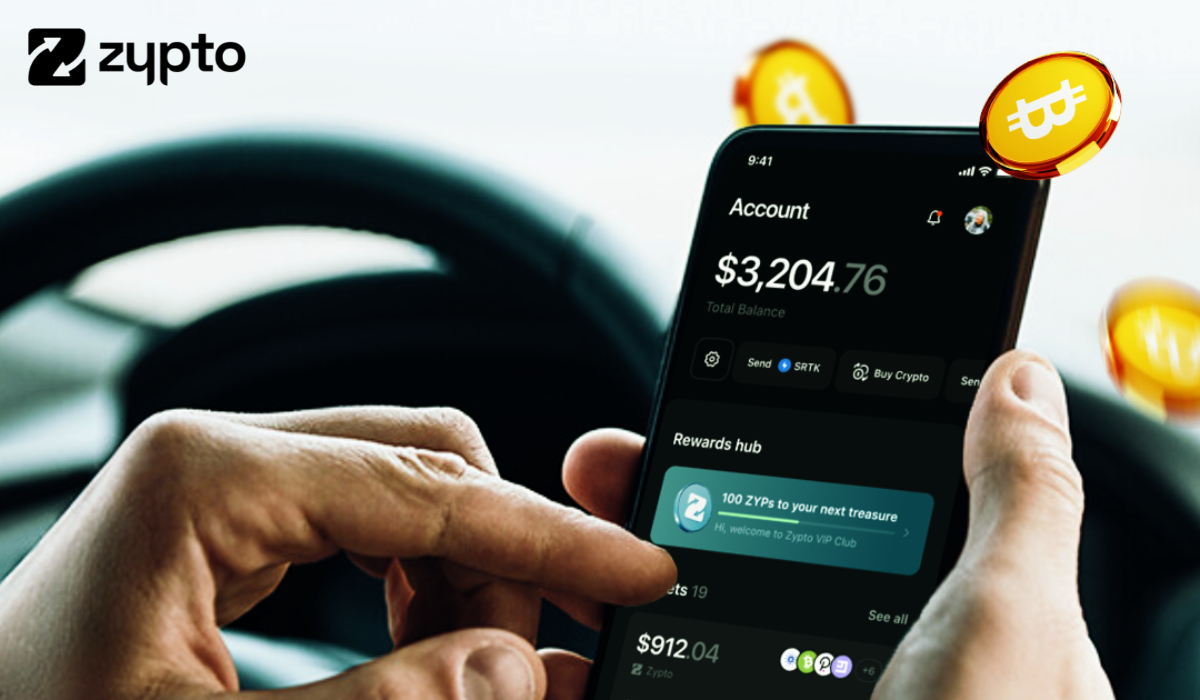
Zypto App operates as a self custodial, multi functional crypto app that acts as an access layer.
It supports using cold storage alongside the app, allowing users to interact with crypto through a mobile interface while keeping authorization isolated. This separates usability from key exposure rather than treating security and everyday use as competing goals.
This is one example of how mobile access and cold storage can be combined within a single setup.
Choosing a Practical and Secure Approach
The question is not whether hardware wallets are still relevant.
The question is how to reduce risk while keeping crypto usable. For many users, combining a mobile crypto app with cold storage provides a practical balance that reflects how crypto is actually used.
Understanding how these tools relate helps users make informed decisions based on risk, access, and control.
Related Cold Storage & Security Guides
→ What Is Cold Storage in Crypto?
→ Cold Storage vs Leaving Crypto on Exchanges
→ Why Cold Storage Matters Even When Crypto Is Easy to Use
→ How Hardware Wallets Protect Crypto
→ What Makes a Wallet “Cold” or “Hot”?
→ When Should You Use Cold Storage?
→ Can Mobile Crypto Apps Be Secure?
→ What Happens If Your Crypto App Is Compromised?
→ How Physical Security Protects Digital Assets
FAQs
Do you still need a hardware wallet if you use a mobile crypto app?
In many cases, yes. Mobile crypto apps improve usability, but hardware wallets reduce online exposure by isolating transaction authorization.
What problem do hardware wallets solve?
Hardware wallets protect private keys by keeping authorization offline. This reduces the risk of remote attacks such as malware or phishing.
Are mobile crypto apps considered hot wallets?
Mobile crypto apps often operate in online environments where authorization is readily available. This increases exposure compared to cold storage models.
Can a hardware wallet be used with a mobile crypto app?
Yes. A mobile crypto app can handle interaction and usability, while a hardware wallet protects authorization by keeping private keys offline.
Does using a hardware wallet make crypto harder to use?
Not necessarily. When designed well, cold storage adds protection at the authorization stage without interfering with everyday interaction.
Why combine a mobile crypto app with cold storage?
Because it separates convenience from security. The app provides access and usability, while cold storage reduces exposure by controlling authorization.














0 Comments