
As cryptocurrency adoption grows, so does the demand for financial privacy. While most blockchains are transparent, privacy coins are designed to enable anonymous and confidential transactions.
In 2026, privacy coins remain one of the most important and debated areas of crypto, offering users greater control over their financial data. From fully private transactions to privacy-focused infrastructure, this category continues to evolve.
This guide explores some of the best privacy coins to watch in 2026, based on technology, usage, and ongoing development.
What Are Privacy Coins and How Do They Work?
Privacy coins are a category of privacy cryptocurrencies designed to enable anonymous crypto transactions while protecting user identity and financial data.
Unlike transparent blockchains, they use cryptographic techniques such as ring signatures, stealth addresses, and zero-knowledge proofs to obscure:
- sender identity
- receiver identity
- transaction amounts
Some privacy coins enforce privacy by default, while others offer it as an optional feature.
The Top Privacy Coins to Watch in 2026
Monero (XMR)
Monero remains the benchmark for privacy in crypto, with all transactions private by default. It uses ring signatures to obscure the sender, stealth addresses to hide the recipient, and RingCT to conceal transaction amounts.
This layered approach makes it extremely difficult to trace transactions, even with advanced blockchain analysis tools. Unlike many other privacy-focused projects, privacy is not optional in Monero, it is enforced at the protocol level.
Monero remains one of the most widely used privacy cryptocurrencies for fully anonymous transactions.
Why it matters in 2026: Fully private transactions by default with battle-tested technology
Watchpoint: Regulatory pressure and exchange availability
Zcash (ZEC)
Zcash introduced zero-knowledge proofs into blockchain privacy through zk-SNARKs, allowing transactions to be verified without revealing sensitive information.
It offers both transparent and shielded transactions, giving users flexibility depending on their needs. This dual model has made it appealing to users who want optional privacy rather than enforced anonymity.
Recent developments have focused on improving usability and reducing the complexity of shielded transactions.
Why it matters in 2026: Advanced cryptography with flexible privacy options
Watchpoint: Adoption of shielded transactions over transparent usage
Dash (DASH)
Dash combines fast, low-cost payments with optional privacy through its PrivateSend feature. Built on a masternode network, Dash enables quick confirmations and enhanced functionality beyond basic transactions.
PrivateSend mixes coins between users to make transactions more difficult to trace, providing an additional layer of privacy alongside its core payment functionality.
Dash continues to focus on usability and real-world payments, making it one of the more practical privacy-focused assets.
Why it matters in 2026: Combines usability, speed, and optional privacy
Watchpoint: Adoption and usage of PrivateSend functionality
Secret (SCRT)
Secret takes a different approach by enabling privacy at the smart contract level. Instead of focusing only on transactions, it allows data within applications to remain encrypted, even during execution.
This opens the door for private DeFi, confidential data processing, and secure decentralized applications where sensitive information does not need to be exposed on-chain.
Secret is part of a growing category focused on programmable privacy rather than just transactional anonymity.
Why it matters in 2026: Enables private smart contracts and confidential applications
Watchpoint: Developer adoption and ecosystem expansion
Horizen (ZEN)
Horizen extends privacy beyond transactions into a broader ecosystem that includes sidechains and application development.
Using zero-knowledge technology, it allows developers to build privacy-enabled applications while maintaining scalability through its network architecture.
Horizen positions itself as a platform for privacy-focused infrastructure, rather than just a single-use currency.
Why it matters in 2026: Privacy infrastructure supporting applications and sidechains
Watchpoint: Growth of its developer ecosystem
MobileCoin (MOB)
MobileCoin focuses on private, fast, and user-friendly payments, with an emphasis on mobile integration.
Its design prioritizes usability, making private transactions accessible without requiring deep technical knowledge. It has been associated with messaging platforms and mobile-first use cases.
MobileCoin aims to bring privacy into everyday payments rather than limiting it to advanced users.
Why it matters in 2026: Privacy payments designed for real-world usability
Watchpoint: Adoption through mobile platforms

Beldex (BDX)
Beldex combines private transactions with a broader ecosystem that includes privacy-focused applications such as encrypted messaging.
It uses technologies like RingCT and stealth addresses to ensure transaction confidentiality, while also building additional services around privacy.
This multi-layered approach positions Beldex as more than just a currency, extending into a wider privacy-focused digital environment.
Why it matters in 2026: Expanding privacy ecosystem beyond payments
Watchpoint: Adoption of its applications and network activity
Conclusion
Privacy coins continue to play a critical role in enabling private crypto transactions, giving users greater control over how their financial data is shared.
As blockchain adoption continues, the balance between transparency and privacy will remain a key theme. Projects that can deliver strong privacy while maintaining usability are likely to remain central to this space.
Manage Privacy Coins with Full Control in Zypto App
Privacy-focused assets require more than simple storage. They require control, flexibility, and secure authorizatio
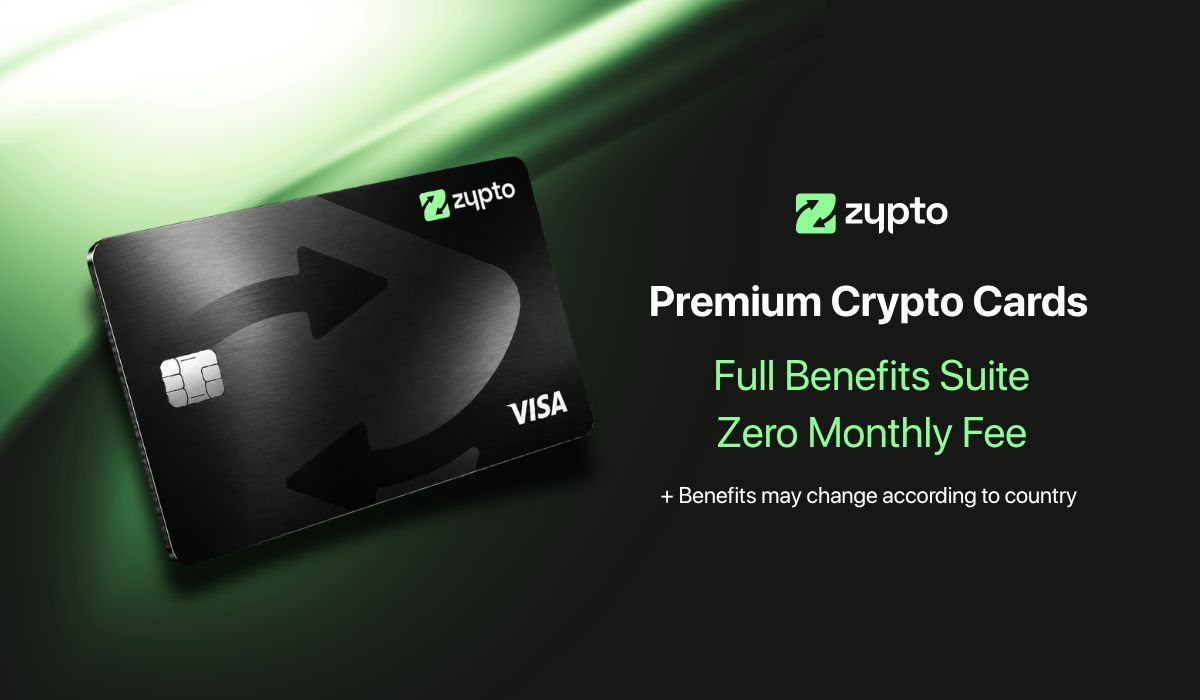
Zypto App allows users to create unlimited self-custody wallets, import and export private keys, and maintain full control over how assets are stored and managed across different networks.
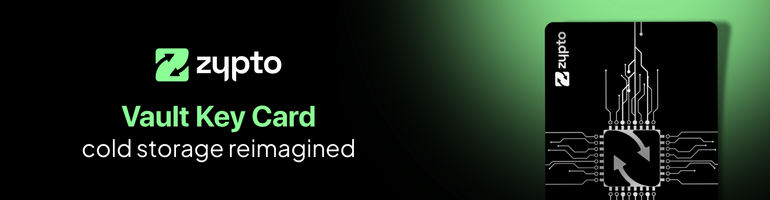
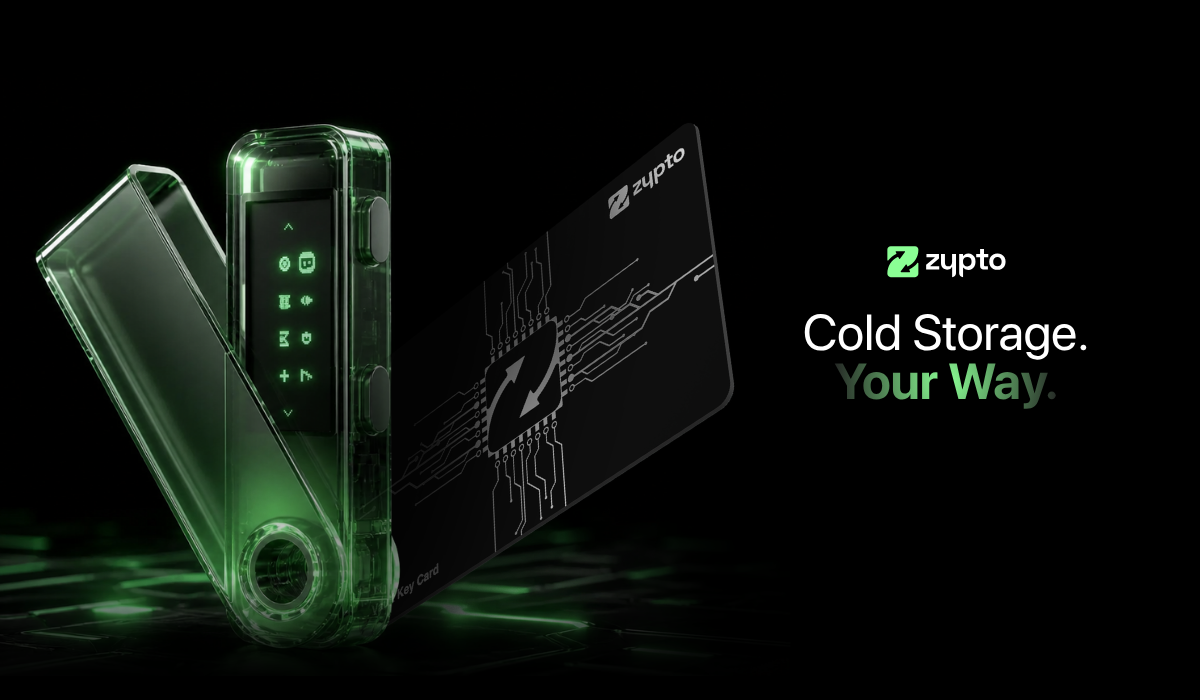
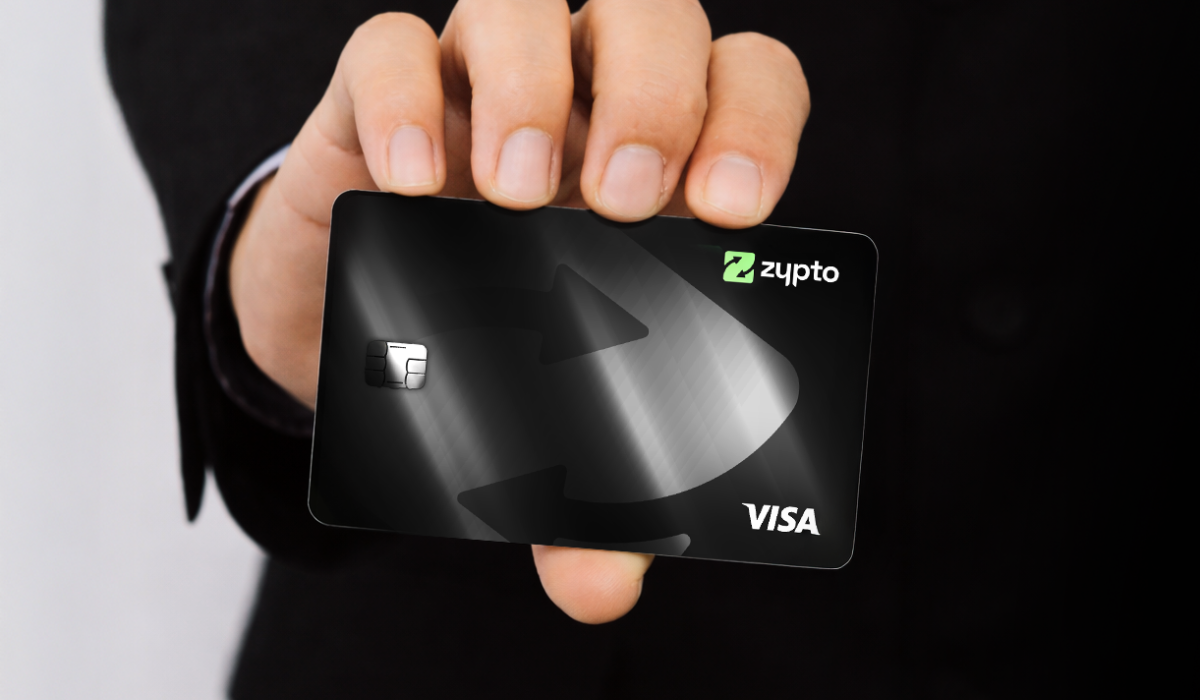
For users looking to add an additional layer of protection, the Vault Key Card introduces physical authorization into the process. Transactions can only be approved with the card present, separating access from control and adding a cold storage-style security layer to everyday usage.
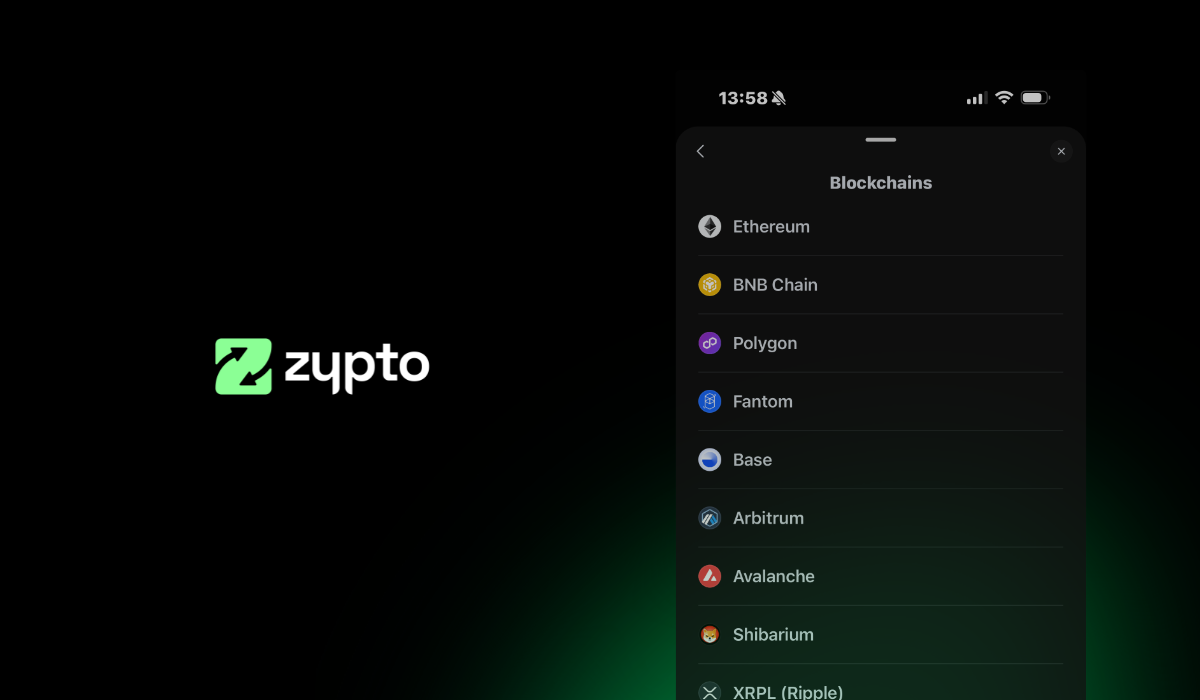
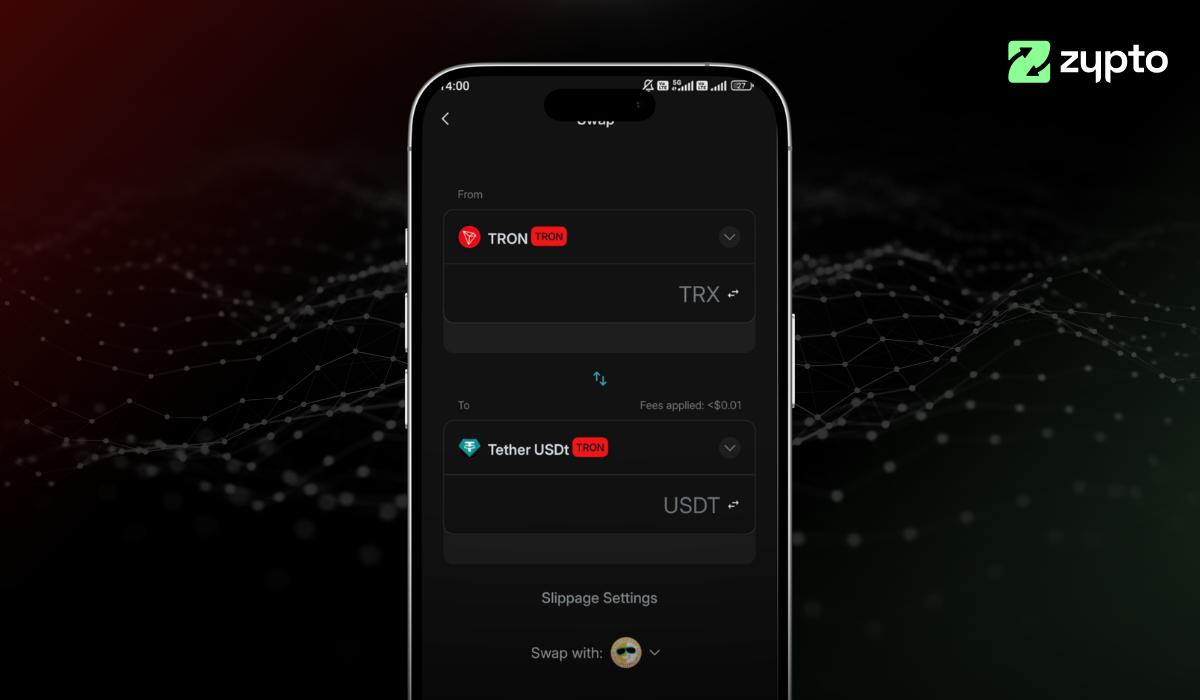
Alongside this, Zypto App enables multichain access and cross-chain swaps across 20+ blockchains, allowing users to move assets between ecosystems directly within the app.
This makes it possible to manage privacy coins and other digital assets while maintaining full control over wallets and private keys.
#FreeYourMoney with Zypto
Explore More Top 7 Crypto Sectors
→ Top Stablecoins to Watch in 2026
→ Top Cross-Chain Crypto Projects to Watch in 2026
→ Top Layer 2 Coins to Watch in 2026
→ Top Oracle Crypto Projects to Watch in 2026
→ Top 7 DeFi Coins & Tokens to Keep An Eye On in 2026
→ Top Real World Assets (RWA) Crypto Projects to Watch in 2026
FAQs
What are privacy coins?
Privacy coins are cryptocurrencies designed to conceal transaction details such as sender, receiver, and amount using advanced cryptographic techniques.
How do privacy coins work?
Privacy coins use technologies such as ring signatures, stealth addresses, and zero-knowledge proofs to hide transaction data while still allowing transactions to be verified on the blockchain.
Are privacy coins legal?
The legality of privacy coins varies by jurisdiction. Some countries allow their use, while others have restrictions or regulations affecting their availability on exchanges.
What makes Monero different from other privacy coins?
Monero enforces privacy by default on all transactions, unlike some other privacy coins that offer optional privacy features.





People are vastly underestimating FIRO.