

Decentralized exchanges remain one of the core building blocks of crypto. Rather than relying on centralized intermediaries, DEXs allow users to trade directly from their own wallets using smart contracts, liquidity pools, or on-chain orderbooks.
In 2026, DEX ecosystems continue to expand across multiple blockchains, with different platforms focusing on spot swaps, perpetuals, stablecoin efficiency, liquidity aggregation, and high-performance trading.
This article highlights 7 DEX coins connected to decentralized exchange ecosystems, based on relevance, market presence, and ongoing product activity.
What Are DEX Coins?
DEX coins are cryptocurrencies associated with decentralized exchange platforms. They are typically used to support core ecosystem functions such as
- governance
- staking and incentives
- liquidity rewards
- fee-related utility
- ecosystem participation
Unlike centralized exchanges, DEXs allow users to trade directly from self-custody wallets. That makes DEX tokens different from general crypto assets, because they are tied directly to trading infrastructure and on-chain liquidity systems.
The Top DEX Coins to Watch in 2026
Hyperliquid (HYPE)
Hyperliquid has become one of the most important names in decentralized trading, particularly for perpetual futures.
Its architecture is built around a fully on-chain orderbook model combined with its own high-performance blockchain environment, designed to support both spot and perpetual markets.
This performance-first approach aims to bring exchange-style execution to self-custodial users, making it one of the most closely watched DEX ecosystems.
Why it matters in 2026: High-performance decentralized trading infrastructure
Watchpoint: Expansion across spot, perpetuals, and ecosystem tools
Uniswap (UNI)
Uniswap remains one of the most recognizable DEX protocols in crypto.
Built on Ethereum and expanded across multiple networks, it has become a foundational platform for on-chain token swaps and liquidity provision.
Its automated market maker model helped define the modern DEX category, supported by deep liquidity and broad token availability.
Why it matters in 2026: Foundational multichain DEX protocol
Watchpoint: Competition from new trading models and routing layers
Jupiter (JUP)
Jupiter has become a major trading layer on Solana, known for swap aggregation and routing across liquidity sources.
It has evolved beyond simple swaps into a broader trading environment that includes routing, perpetuals, and order functionality.
This positions it as one of the most important DEX-related projects within the Solana ecosystem.
Why it matters in 2026: Leading Solana trading and aggregation layer
Watchpoint: Growth of Solana-based trading activity

PancakeSwap (CAKE)
PancakeSwap remains one of the most widely used DEX platforms, particularly through its strong presence on BNB Chain and expansion into additional networks.
Its ecosystem extends beyond swaps into liquidity provision, yield mechanisms, and broader DeFi functionality.
This wide range of features has helped maintain its relevance across different market cycles.
Why it matters in 2026: Established multichain DEX with broad user base
Watchpoint: Sustained volume and cross-chain relevance
Curve DAO Token (CRV)
Curve holds a distinctive position in DeFi by focusing on efficient trading between similar assets, particularly stablecoins.
Its design minimizes slippage and maximizes capital efficiency, making it a core part of many DeFi strategies and liquidity systems.
Curve’s role remains important due to its deep integration with stablecoin markets and lending protocols.
Why it matters in 2026: Specialized infrastructure for stable and correlated asset trading
Watchpoint: Liquidity depth and continued DeFi integration
Raydium (RAY)
Raydium is one of the key DEX platforms on Solana, combining automated market maker functionality with deep ecosystem integration.
It plays a central role in providing liquidity and trading access for Solana-based assets.
Its position within the Solana ecosystem keeps it closely tied to network activity and token launches.
Why it matters in 2026: Core Solana DEX infrastructure
Watchpoint: Position within Solana’s evolving liquidity landscape

Aerodrome Finance (AERO)
Aerodrome has become one of the most important DEX and liquidity hubs on Base.
As Base has grown, Aerodrome has strengthened its role as a central venue for liquidity routing and token trading within that ecosystem.
Its relevance is closely tied to the continued expansion of Base as a major on-chain trading environment.
Why it matters in 2026: Leading DEX and liquidity layer on Base
Watchpoint: Growth of Base ecosystem and liquidity concentration
Conclusion
DEX coins represent a direct connection to the trading infrastructure of crypto.
Rather than simply tracking narratives, they are tied to the platforms where swaps, liquidity, and on-chain trading actually happen.
As decentralized trading continues to evolve across multiple blockchains, DEX tokens remain one of the clearest ways to understand how on-chain markets are developing.
Trade and Manage DEX Tokens in Zypto App
DEX activity now spans multiple blockchains, liquidity sources, and trading environments. Managing DEX tokens effectively requires access to more than a single exchange or route.
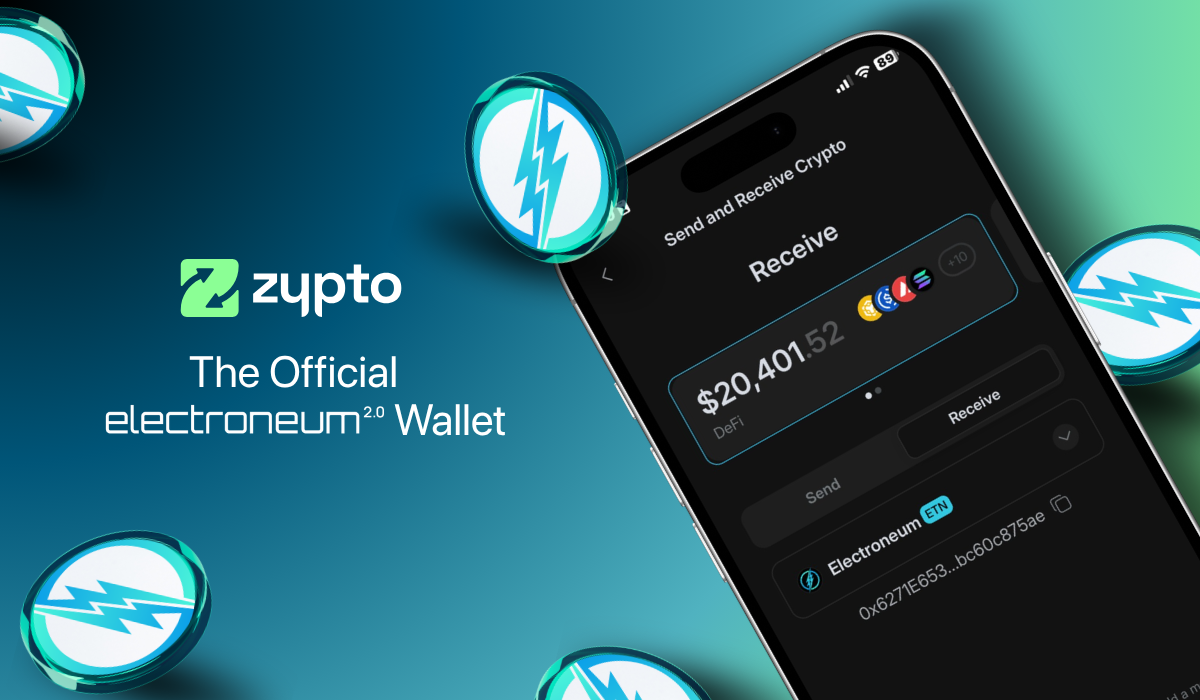
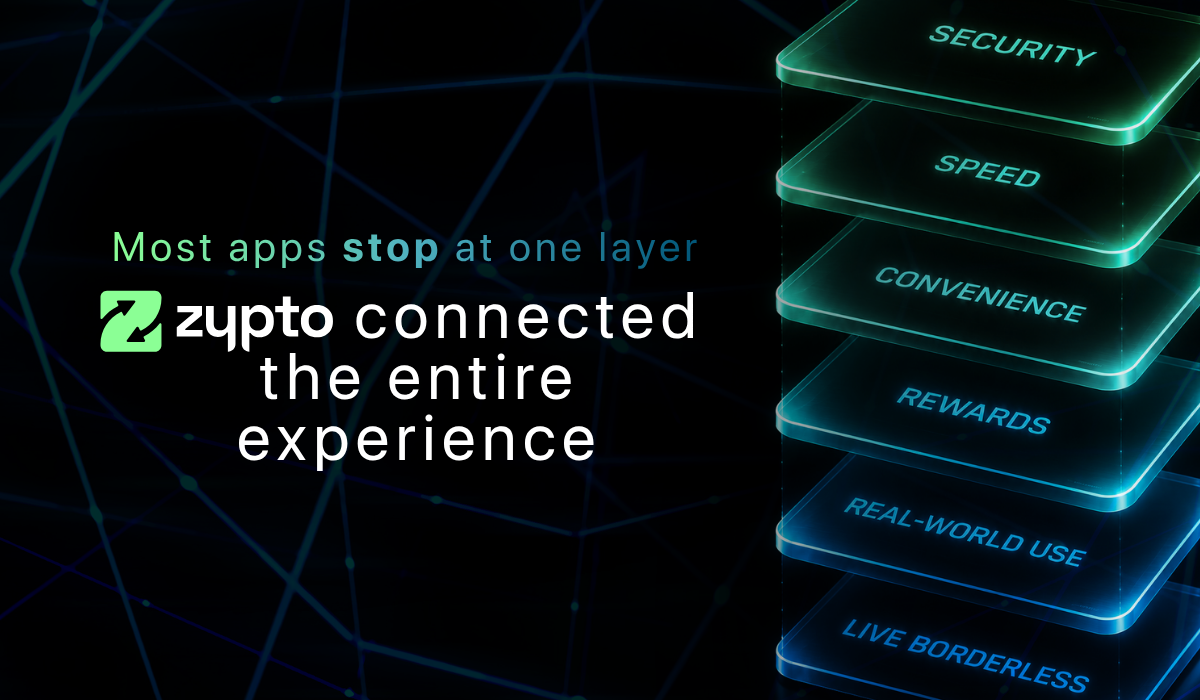
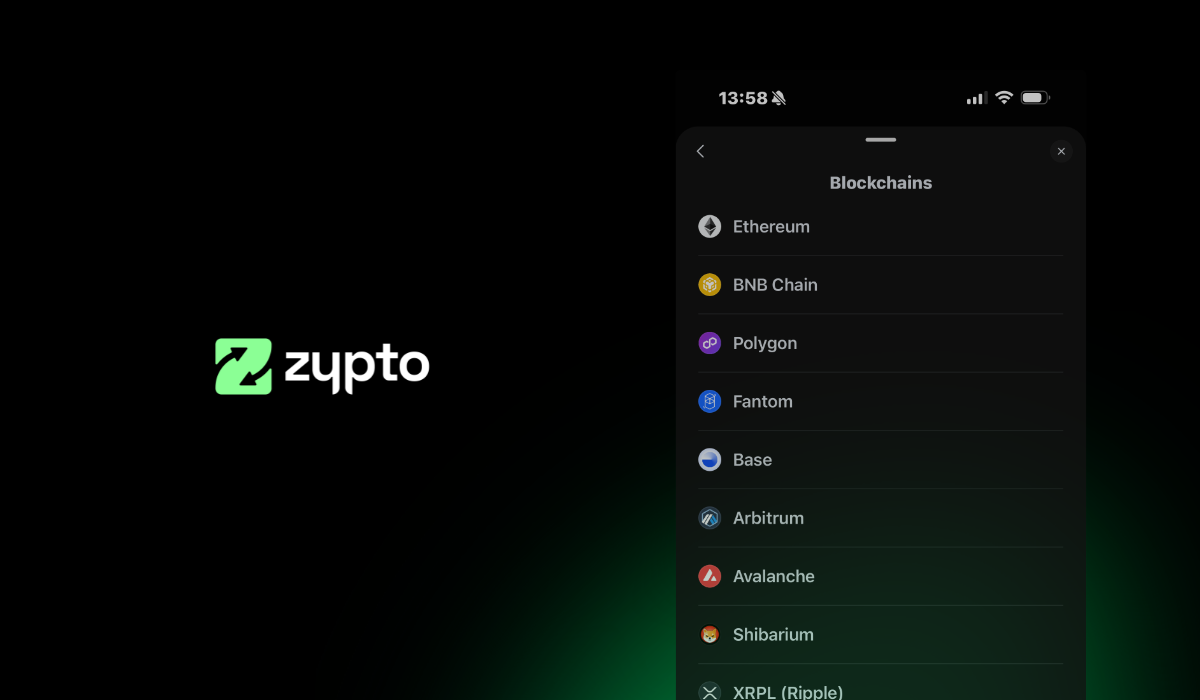
Zypto App brings these together within one multifunctional crypto app, allowing users to create unlimited self-custody wallets, import and export private keys, and manage more than 24,000 assets across 20+ blockchains.
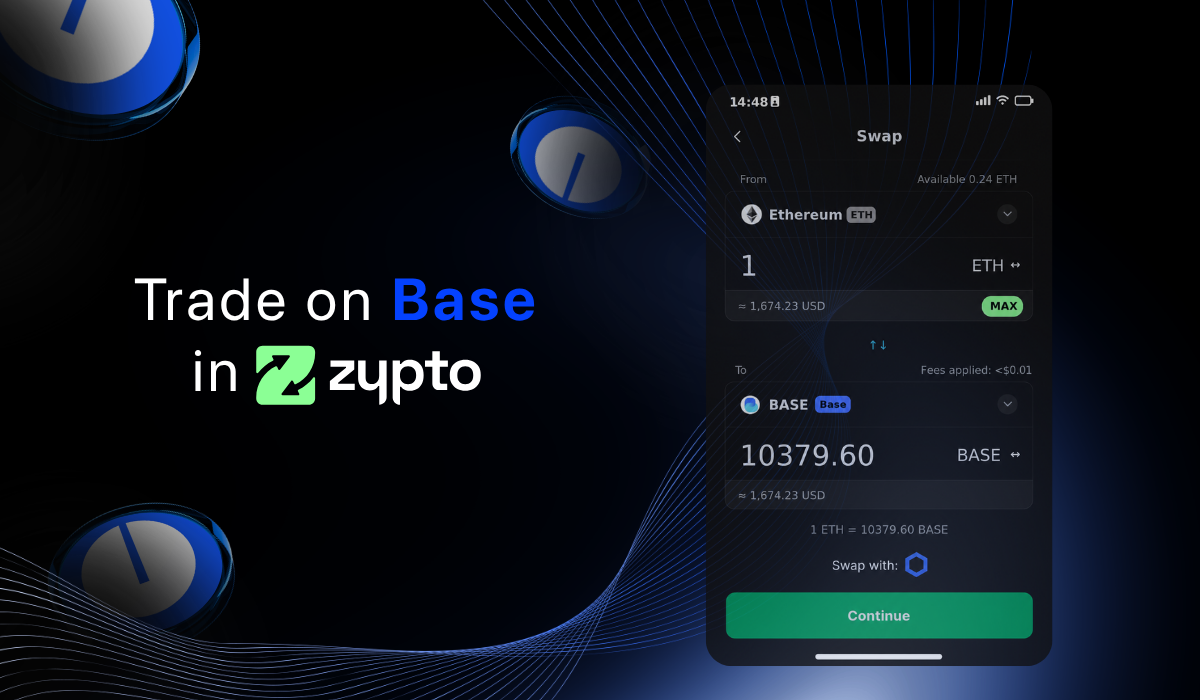
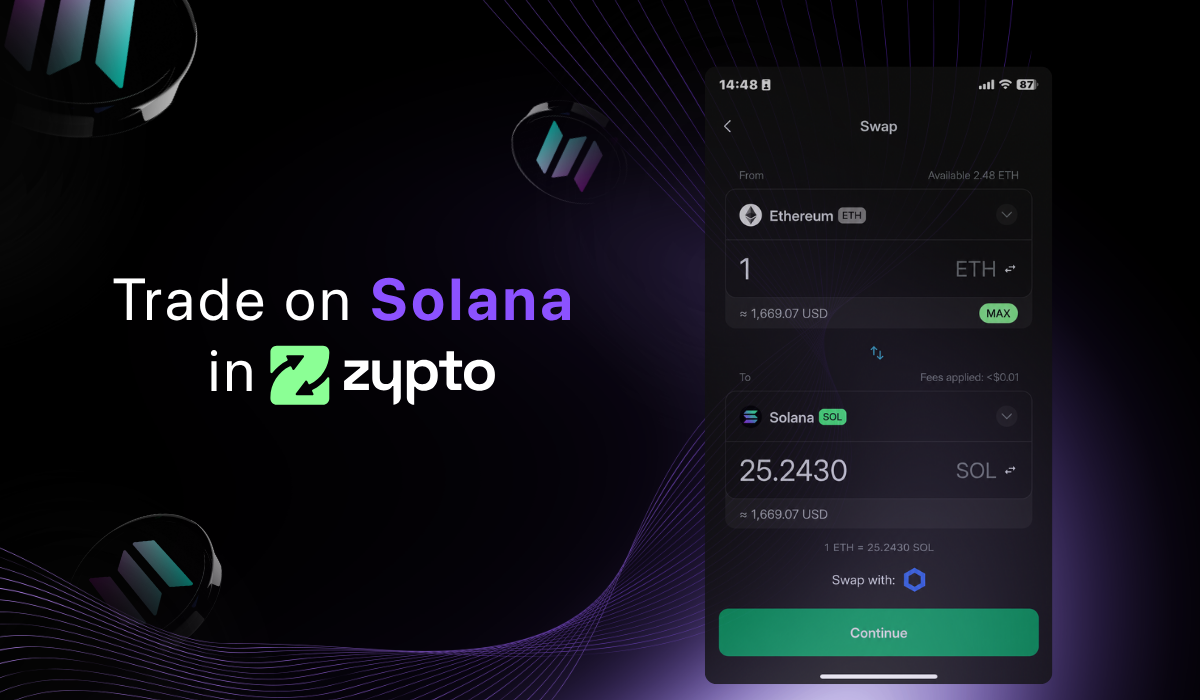
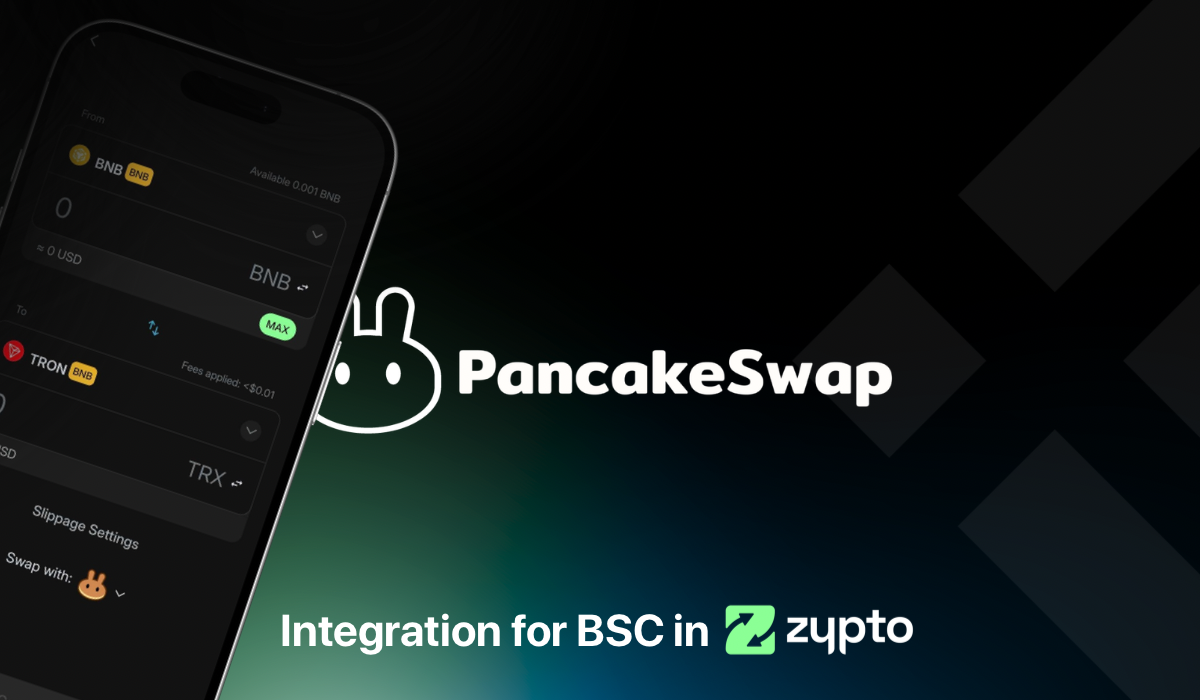
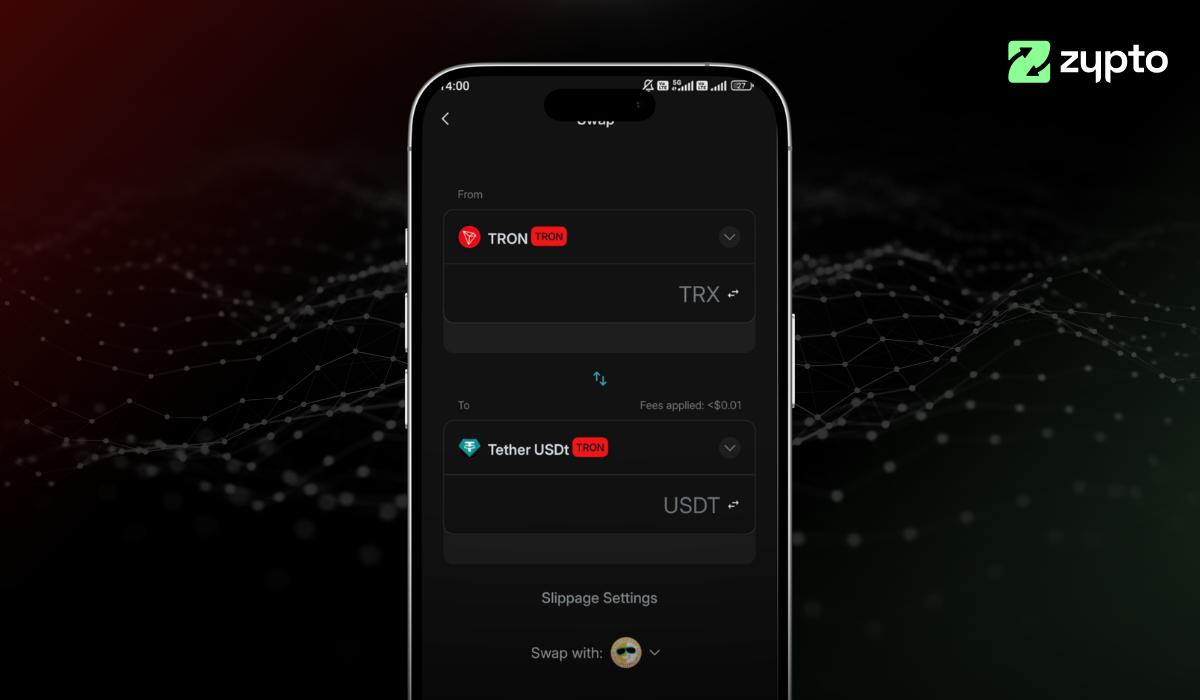
For decentralized trading, Zypto App integrates multiple DEXs directly across ecosystems. This includes Uniswap across Ethereum, Polygon, Base, Avalanche, and Arbitrum, PancakeSwap on BNB Chain, Raydium on Solana, ShibaSwap on Ethereum, Aftermath for Sui, and native DEX support for Optimism.
Beyond individual DEX integrations, Zypto App connects to multichain liquidity through aggregators such as ChangeNOW and LetsExchange, alongside decentralized routing via SwapKit.
For cross-chain activity, Chainlink CCIP is integrated to support decentralized transfers across EVM networks directly within the app.
With more than 1 million cross-chain swap routes available, Zypto App provides a practical way to access, trade, and manage DEX tokens across multiple ecosystems without relying on separate platforms.
#FreeYourMoney with Zypto
Explore More Top 7 Crypto Sectors
→ Top 7 DeFi Coins & Tokens to Keep An Eye On in 2026
→ Top Cross-Chain Crypto Projects to Watch in 2026
→ Top Layer 2 Coins to Watch in 2026
→ Top Liquid Staking Tokens to Watch in 2026
→ Top Stablecoins to Watch in 2026
→ Top Oracle Crypto Projects to Watch in 2026
FAQs
What are DEX coins?
DEX coins are cryptocurrencies associated with decentralized exchanges, used for governance, liquidity incentives, and participation in trading ecosystems.
How do decentralized exchanges work?
Decentralized exchanges allow users to trade cryptocurrencies directly from their wallets using smart contracts, without relying on a central intermediary.
What is the difference between a DEX and a centralized exchange?
A DEX enables peer-to-peer trading from self-custody wallets, while centralized exchanges hold user funds and operate through managed order systems.
Why are DEX tokens important?
DEX tokens are tied to trading infrastructure and liquidity systems, making them directly linked to how on-chain markets operate and grow.





man,
in my next life I’ll lesen how to code a DEX for an up and coming chain and make a fortune. Until then I’ll stick with $Zypto but will have a look at $JUP
You haven’t felt crypto power until you’ve used Zypto App for your all crypto needs in your life. It’s sleek, smooth, and every move is on-chain. Every payment is decentralized and fast.
So far, no issues using the Zypto app DeFi Wallet. I can see all my coins clearly and trade, swap instantly. The app runs smoothly even under heavy use. It’s a real timesaver.